
Eating is, of course, a human need...
Sometimes we can meet this need on the go. But at times we have to have lunch or dinner in crowded or even international settings, and as you can imagine, this is not always easy…
Especially at business meals where people from different cultures come together, there is a series of rules to follow. In this course we teach you the finer points.
While enjoying wonderful food, we teach the rules of courtesy and etiquette to be observed.
We guide you in dining with both courtesy and pleasure, with friends, family, your social circle, business partners or future clients.
Within the course we address table manners under two headings: the rules for formal or business meals, and what is expected in more informal settings.
We also teach the finer points of eating difficult foods correctly.
During the Art of International Dining course, our work covers the following topics:
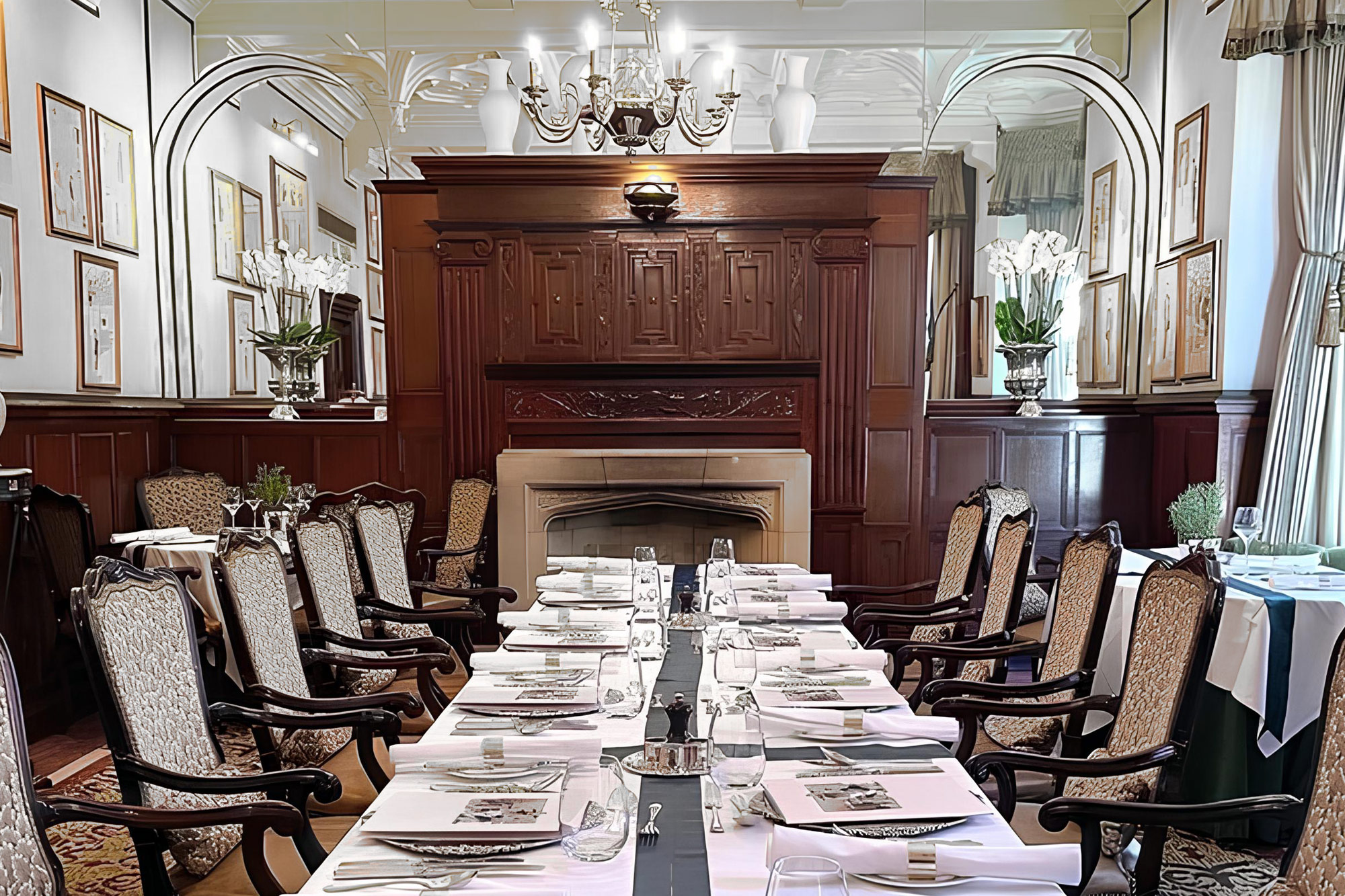
- Western-style table setting
- Correct use of forks, spoons, knives and glasses
- Posture and how to sit at the table
- Timing during the meal: the right time to start eating, to pause and to finish
- Ways to avoid spilling food on yourself or the table
- The finer points of eating difficult foods correctly
- What to pay attention to when talking with other guests at the table
- What to know when hosting a dinner
- The most common mistakes at the table and how to avoid them
Frequently Asked Questions About Table Manners and the Art of International Dining
What topics does the training cover?
Nine topics are covered: Western-style table setting; use of forks, spoons, knives and glasses; posture and seating at the table; timing during the meal; avoiding spills; eating difficult foods; conversation at the table; hosting a dinner; and common mistakes.
How long does the training take?
It is a one-day practical programme.
Is it suitable for business dinners too?
Yes. Seating, ordering, conversation topics and the bill at meals with business partners and clients are also covered.
Can I join online?
The theory part can be taken online; however, in-person participation is recommended as the training involves practice at the table.
 TR
TR EN
EN