

- Duration
- 1 day
- Format
- In person, practical
- Participants
- Individual, group and corporate
- Fee
- Tailored quote
The right terms
You learn the difference between afternoon tea, high tea and cream tea, and use each term correctly when inviting or accepting.
Serving tea
You practise brewing, the order of service and offering milk, sugar and lemon from the host's side of the table.
Cup and saucer
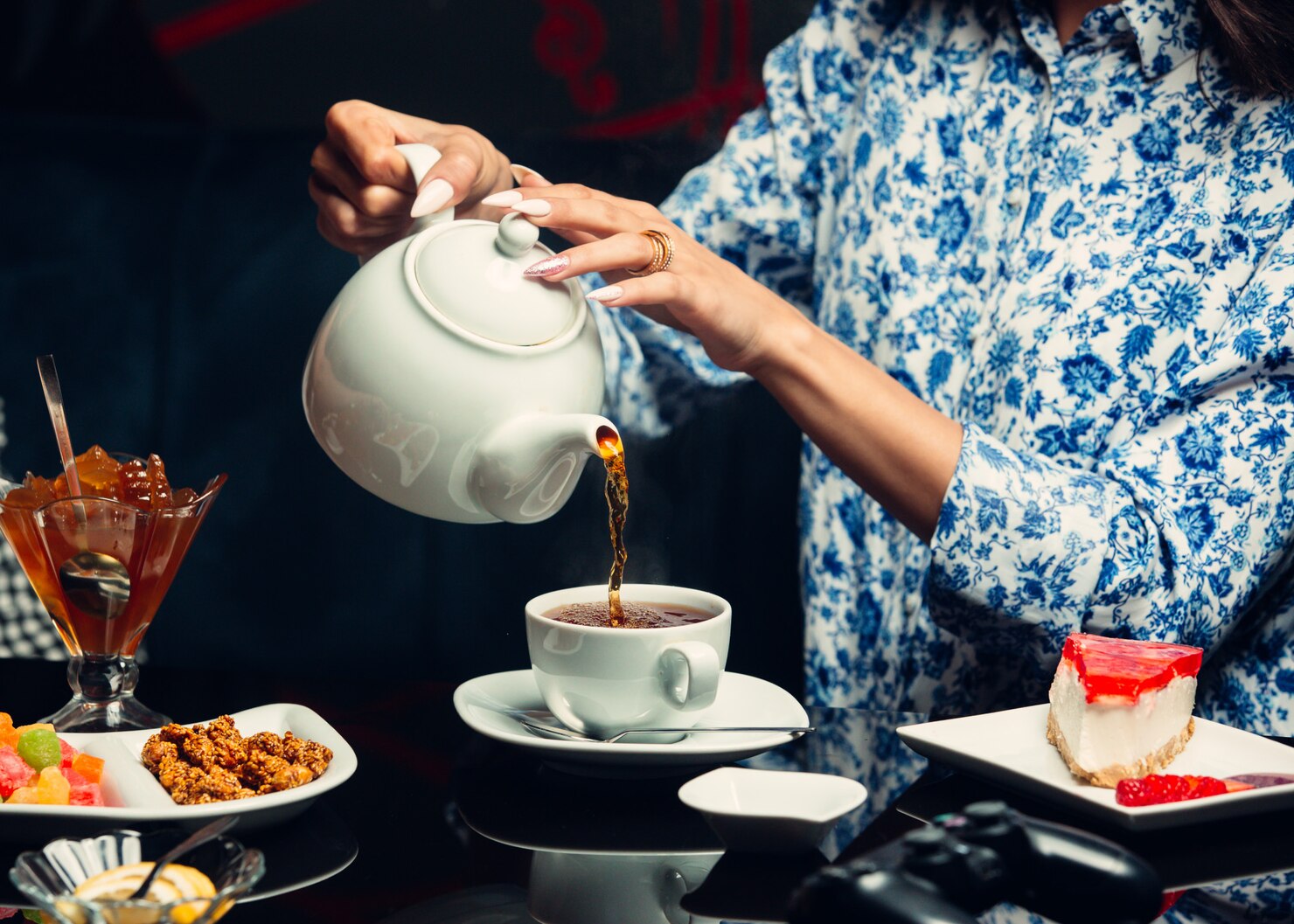
You handle the cup, saucer and teaspoon in the traditional way and eat sandwiches, scones and cakes in the customary order.
Conversation and hosting
You learn to manage conversation and familiarity at the tea table, and how British tea differs from Turkish tea hospitality.
Afternoon Tea Etiquette and the British Tea Tradition
This class teaches afternoon tea etiquette and the British tea tradition behind it: how the tea table is laid, how tea is served and drunk, and how to behave as a guest or host. It is a one-day programme, held in person in Istanbul, and you learn each convention by practising it at a real tea table.
Why take a tea etiquette class?
Tea is at the centre of hospitality in Turkey, just as it is in Britain, so the rules may seem too simple to need teaching. They are not. If you do business internationally, an invitation to tea is one of the warmest ways to get to know someone, because it is shorter and more relaxed than dinner. With a contact from another culture, details matter: how the table is arranged, who sits where, and how familiar the conversation should become.
Britain is famous for its afternoon tea, its social conventions differ from Turkey’s, and it is one of Turkey’s trading partners. The class therefore covers British tea etiquette in detail and compares it with Turkish custom.
Afternoon tea vs high tea vs cream tea
The three terms describe different things:
- Afternoon tea: a light mid-afternoon service of finger sandwiches, scones and small cakes, traditionally taken in a sitting room around low tables.
- High tea: a substantial early-evening meal at the dining table, with hot dishes, meat, cheese and bread. “High” refers to the height of the table, not to the formality of the occasion.
- Cream tea: tea with scones, clotted cream and jam, and nothing else. It is associated with the south-west of England, Devon and Cornwall in particular.
Hotels outside Britain often advertise afternoon tea as “high tea”, but the traditional meanings are the ones above.
The questions people bring to the table
We answer the most common questions at the table:
- How do you hold a teacup? Pinch the handle between thumb and index finger, with the middle finger in support. The little finger stays down.
- How do you stir? Back and forth, without clinking the spoon against the cup. Then rest the spoon on the saucer.
- How do you eat a scone? Break it in two by hand and spread cream and jam on each half separately.
- In what order do you eat? Usually sandwiches first, then scones, then cakes.
- Where does the napkin go? On your lap once you are seated; loosely to the left of your plate when the tea is over.
Some of these conventions vary by region and by household. Where a point is disputed, such as when to add the milk or what goes on a scone first, we do not present one answer as the only correct one. We explain each practice and its reasoning.
How the day runs
The day is spent at a real tea table. We lay the table together, then work through service, handling the cup and eating each course in turn. In the final part you take the roles of host and guest in a short tea party. It is offered to individuals, groups of friends, companies and private occasions.
If you would like to read ahead, our article on traditional English tea etiquette gives a short summary. To go on to cutlery and multi-course meals, The Art of International Dining is the natural companion to this class.
At a good tea nobody thinks about how they are holding the cup; everyone is enjoying the conversation.
Tea Etiquette Class Programme
The day is divided into seven parts. Each is practised at a laid tea table, cup in hand.
Module 1: Afternoon Tea, High Tea and Cream Tea
We begin by separating three terms. Afternoon tea is the light mid-afternoon service of sandwiches, scones and small cakes. High tea, despite the sound of its name, is not a grander version; it is a hearty early-evening meal eaten at the dining table. Cream tea is simply tea with scones, clotted cream and jam. We look briefly at how the custom took hold in nineteenth-century England. For the longer story, read our history of tea.
Module 2: The Invitation, the Table and Seating
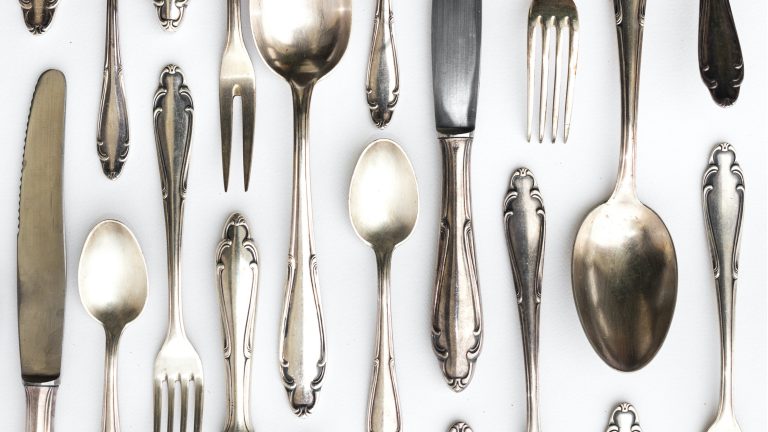
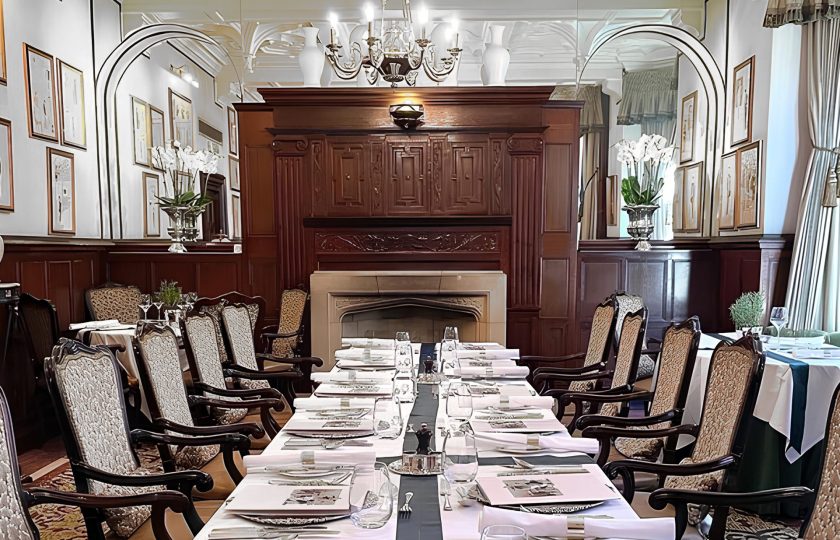
We approach the tea party from the host's side: the hour, the number of guests and how to invite them. The arrangement changes depending on whether tea is served at a dining table or around a low table in a sitting room, so we lay both. You practise placing the cup, saucer, teaspoon, tea plate, napkin and knife, positioning the teapot, milk jug and sugar bowl, and seating your guests.
Module 3: Brewing and Serving Tea
Who holds the pot, who is served first, and how milk, sugar and lemon are offered. By tradition the host pours, or asks one guest to do so. Whether milk goes in before or after the tea has been argued over in Britain for generations; many etiquette guides today recommend pouring the tea first, so that each person can judge its strength. We also explain why milk and lemon are not taken in the same cup and how to help yourself to sugar.
Module 4: Cup, Saucer and Spoon
We answer the question of how to hold a teacup with a cup in your hand. As commonly taught, you pinch the handle between thumb and index finger and support it underneath with the middle finger; the little finger stays down. Seated at a table, you leave the saucer on the table. Standing, or seated at a low table, you lift the saucer with the cup. Stir back and forth without touching the sides, then rest the spoon on the saucer behind the cup.
Module 5: Sandwiches, Scones and Cakes
The tiered stand is usually eaten from savoury to sweet: finger sandwiches first, then scones, then cakes and pastries. A scone is not cut through with a knife. You break it in two by hand, dress each half just before eating it and do not close the halves like a sandwich. Cream or jam first? The Devon custom is cream then jam, the Cornish custom jam then cream, and both are correct. Sandwiches are eaten with the fingers, soft cakes with a pastry fork.
Module 6: Conversation and the Limits of Familiarity
Tea is shorter and more relaxed than dinner, which makes it a good setting for getting to know a business contact. We discuss which subjects are safe to raise when you invite someone from another culture to tea, which questions may feel too personal, and when it is acceptable to turn to business. Phones at the table, not speaking with your mouth full, excusing yourself and recognising when the occasion is drawing to a close are covered here too.
Module 7: Turkish Tea Hospitality and British Tea
In Turkey tea is a sign of hospitality offered at any hour, served without milk in a small tulip-shaped glass and refilled as soon as the glass is empty. British afternoon tea belongs to a particular hour, a porcelain cup and an ordered sequence of food. Setting the two side by side, we show what changes when you entertain a visitor the Turkish way or are a guest in Britain. Hosting in general is covered more fully in our Etiquette & Elegance Training.
By the End of the Class
- You can explain the difference between afternoon tea, high tea and cream tea and use each term correctly.
- You can lay a tea service at a dining table and at a low table.
- You handle the cup, saucer and teaspoon in the traditional way.
- You eat sandwiches, scones and cakes in the customary order and manner.
- As a host, you pour and offer milk, sugar and lemon with confidence.
- You can manage conversation and the degree of familiarity when you invite an international business contact to tea.
Who the Tea Etiquette Class Is For
- Professionals and companies with business ties to the United Kingdom
- People travelling, studying or moving to the UK
- Anyone who would like to host an elegant tea at home or at work
- Groups of friends looking for a day that is both enjoyable and instructive
- Organisations and teams that receive international guests and business partners
Guides on this topic
Free, in-depth articles to read before or after the training.

Frequently Asked Questions About the British Tea Tradition and Afternoon Tea
What is afternoon tea?
Afternoon tea is a traditional English service of tea with finger sandwiches, scones and small cakes, taken in the mid-afternoon, typically at around four o'clock. It grew up to fill the long gap between lunch and a late dinner and developed into a social occasion with its own order of service and its own conventions of behaviour.
What is the difference between afternoon tea and high tea?
The two are often confused. Afternoon tea is a light service of sandwiches, scones and cakes, traditionally taken at low tables in a drawing room. High tea is a substantial early-evening meal eaten at a high dining table after work, with dishes such as meat, cheese, bread and something hot. High tea is the heartier of the two, not the more formal.
How do you hold a teacup? Should the little finger be raised?
The usual teaching is to pinch the handle between thumb and index finger, with the middle finger supporting it from below. Hooking a finger through the handle, cradling the cup in your palm or raising the little finger are all discouraged; a raised little finger looks affected rather than refined. Bring the cup up to your lips instead of lowering your head to the cup.
Does the milk go in first or last?
Even in Britain there is no agreement. The habit of pouring milk first is often said to have protected delicate china from cracking under hot tea. Many etiquette guides today suggest tea first, then milk, so that you can see the strength of the tea and add milk to suit it. As a guest, the safest course is simply to follow your host.
Scones: cream or jam first?
It depends on where you are. In Devon the clotted cream is spread first and the jam goes on top; in Cornwall it is jam first, then cream. Both are accepted and the choice is a matter of taste. What matters more is the handling: break the scone in two by hand, use the knife only for spreading, and eat each half separately.
What do you learn in the training, and how long does it take?
It is a one-day practical programme. You learn what to do when hosting a tea party, how to arrange the table and seating, the order of service, how to hold the cup, how to eat sandwiches and scones, where to draw the line on familiarity in conversation, and the rules of social conduct in England, compared throughout with Turkish tea customs.
Can it be organised for a group or a private event?
Yes. The class can be taken individually and is also adapted for groups of friends, companies and private occasions. For corporate groups the content is shaped around the team's dealings with British partners and clients. Letting us know the number of participants and your preferred date on the application form makes planning easier.

 TR
 EN