
- Duration
- 1 day
- Format
- In person, practical (the theory part can also be taken online)
- Participants
- Individual and corporate
- Fee
- Tailored quote
Reading the table
You can read a formal place setting and know at once which plate, cutlery and glasses are yours.
Knife and fork
You practise the continental style, learn to recognise the American style, and use the pause and finished positions correctly.
Difficult foods
At a laid table you try calm, tidy ways of eating spaghetti, fish on the bone, shellfish and other awkward dishes.
Conversation and hosting
You learn to keep table conversation going, steer away from unsuitable subjects and host a dinner at home or in a restaurant.
A Dining Etiquette Course for International Tables
The Art of International Dining is a one-day dining etiquette course that teaches the Western place setting, the use of cutlery and glassware, the timing of a meal, difficult foods and conversation at the table, all through practice. Its aim is that at a business lunch or a formal dinner your attention is on your companions, not on the cutlery.
Why table manners matter
Eating is a basic need, and much of the time we meet it quickly and without ceremony. Sometimes, though, lunch or dinner takes place in a large or international company. Business meals that bring different cultures together have conventions everyone is expected to observe. In this course we teach you to follow them while still enjoying good food.
We approach table manners under two headings:
- Formal and business meals: a menu of several courses, a full place setting, seating by precedence and formal service.
- Informal occasions: what is expected at meals with family, friends and your social circle; where the rules relax and where they stay the same.
Continental vs American style
There are two widely used ways of holding a knife and fork, and both are accepted:
- Continental style: the fork is in the left hand, tines down, and the knife stays in the right. You cut a piece and bring it to your mouth with the fork still in the left hand. Nothing changes hands.
- American style: you cut in the same way, then lay the knife across the upper edge of the plate, move the fork to the right hand and eat with the tines up.
We try both, giving more time to the continental style because it is the more widely used at international tables. Whichever you choose, keep to it for the whole meal.
Reading a formal place setting
At a crowded table the first hesitation is usually “which one is mine?”. Three simple principles settle most cases:
- Work from the outside in. With each new course, take the fork and knife furthest from the plate.
- Bread on the left, glasses on the right. Your bread plate is at the upper left, your water and wine glasses at the upper right.
- Napkin on your lap. Unfold it once the host has taken theirs; when the meal is over, leave it loosely to the left of your plate.
The details vary from country to country. Opinions differ, for example, on whether a napkin is left on the chair or beside the plate when you step away. We point out such differences and suggest following your host when unsure.
How the course works
The one-day course is practical and held in person in Istanbul; the theory part can also be taken online. It is offered to individuals and to company teams.
Fine dining etiquette is part of a larger picture. To combine it with introductions, forms of address, posture and dress, see our Etiquette & Elegance Training; for one-to-one work across many modules, see Individual Consulting. The afternoon tea table has conventions of its own, taught separately in The British Tea Tradition. If you work with Turkish colleagues and clients, our service on Turkish business culture is the place to start.
Good table manners put the people at the table, not the food, at the centre of the meal.
Dining Etiquette Course Programme: 9 Topics
The day covers nine topics. We treat table manners at two levels: what is expected at formal and business meals, and what applies in more informal company.
Module 1: The Western Place Setting
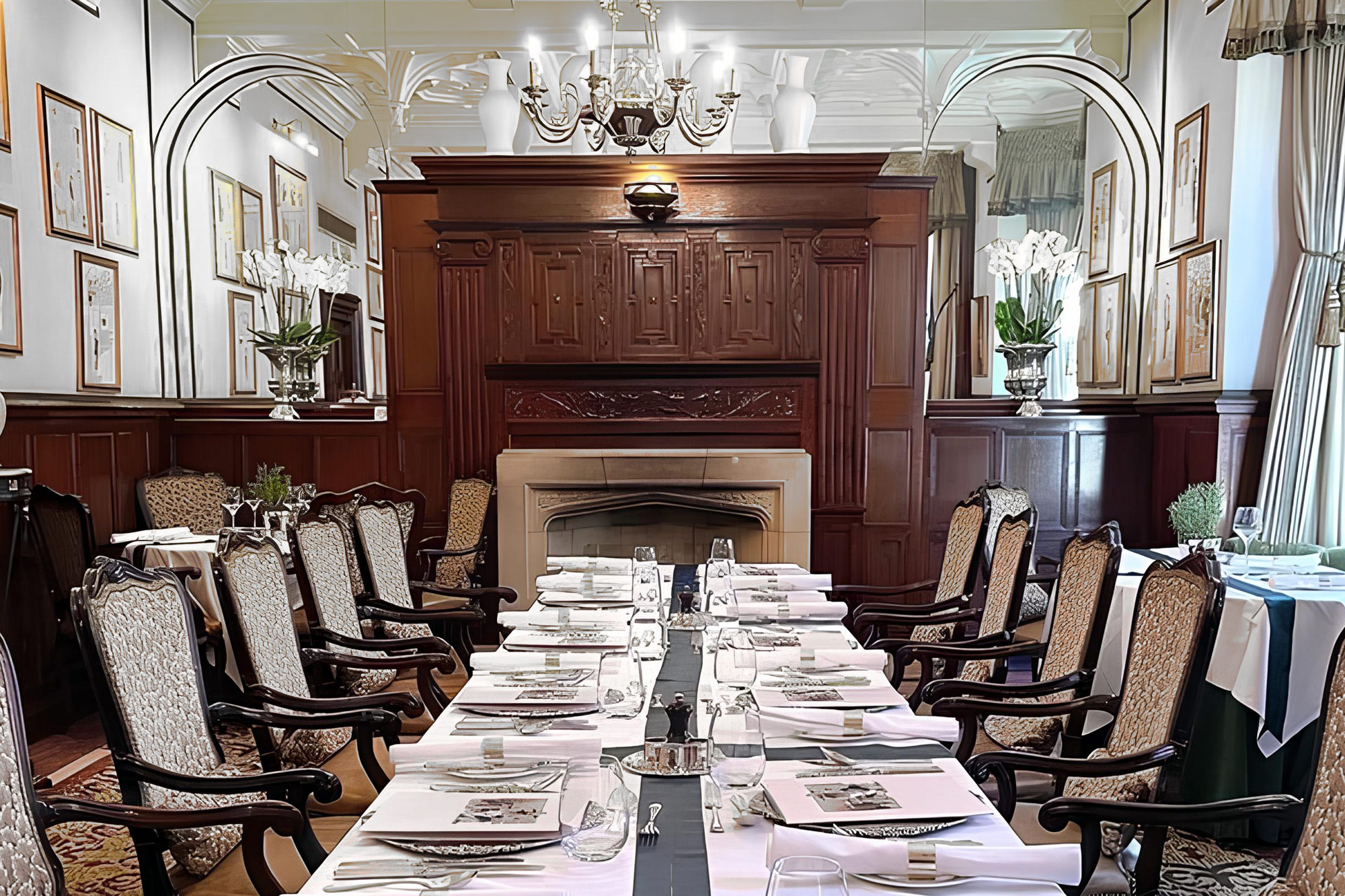
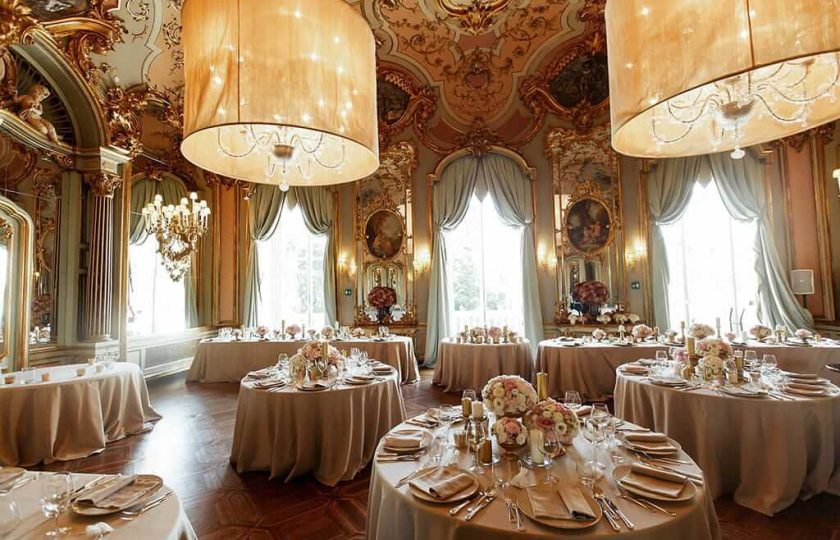
A formal place setting is a map of the meal to come. Forks lie to the left of the plate, knives and the soup spoon to the right, with each knife blade facing the plate. The bread plate is on the left and the glasses stand at the upper right. Dessert cutlery is laid horizontally above the plate. We lay the table together and compare an everyday setting with a full formal one.
Module 2: Forks, Spoons, Knives and Glasses
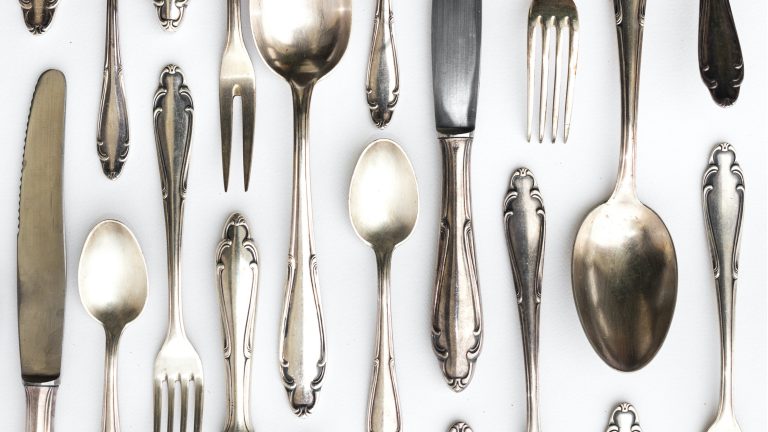
Cutlery is used from the outside in, one set for each course. We practise the two common ways of handling a knife and fork. In the continental style the fork stays in the left hand and the knife in the right throughout. In the American style you cut, lay the knife on the plate and move the fork to the right hand. Both are correct; consistency is what matters. You also learn to tell the water, white wine and red wine glasses apart and to hold a stemmed glass by its stem.
Module 3: Posture, Seating and the Napkin
How you take your seat, your distance from the table and the line of your back all affect how comfortably you eat. Elbows stay off the table during the meal; in much of continental Europe the hands remain visible, with the wrists resting on the table edge. The fork travels to the mouth, not the head to the plate. The napkin goes on your lap once the host has taken theirs, and you dab your lips with it instead of wiping. We also show where it goes if you leave the table briefly and at the end of the meal.
Module 4: Timing During the Meal
We practise the right moment to begin, to pause and to finish. The general rule is to wait until the host starts or everyone has been served. To show that you are pausing, rest the knife and fork on the plate at an angle, tips towards each other. To show that you have finished, lay them side by side, parallel. The exact positions vary a little between countries and styles, so we look at how serving staff read them and how to match your pace to the table.
Module 5: Avoiding Spills
Food on your clothes or the tablecloth is usually a matter of technique, not bad luck. Cutting small pieces, not overloading the fork, keeping sauce to the side of the plate and returning your glass to the same spot at the upper right all reduce the risk. We practise soup by filling the spoon away from you and sipping from its side. Accidents still happen, so we also rehearse dealing with one calmly.
Module 6: Eating Difficult Foods
Some foods give even experienced guests a moment's doubt. At the table we try twirling spaghetti on the fork against the side of the plate, breaking bread by hand into small pieces and buttering each one as you eat it, filleting fish on the bone, and handling shellfish, olives with stones and peas. We show how to remove a bone or a stone from your mouth discreetly and leave it on the edge of the plate. When in doubt about an unfamiliar dish, watching your host is always acceptable.
Module 7: Conversation at the Table
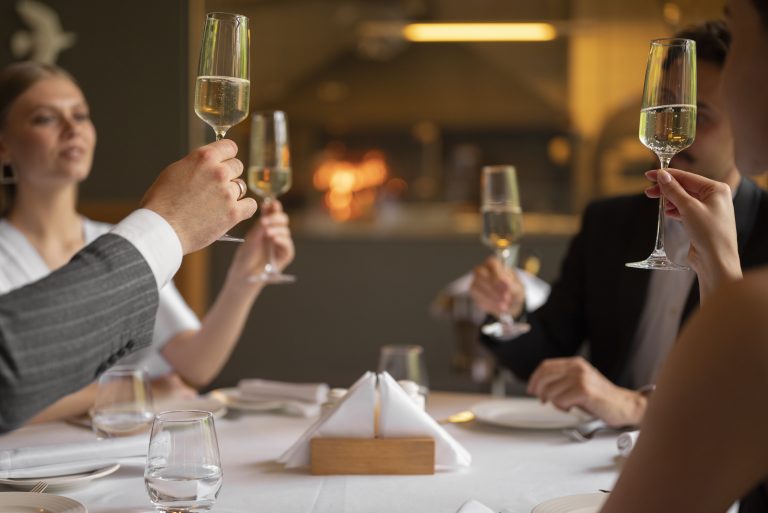
A good guest contributes to the conversation as well as eating neatly. The traditional rule is to give time to the person on each side of you. We look at which subjects suit the table, how to steer away from ones that may cause an argument and what to do when a question arrives while your mouth is full. Keeping the phone off the table, toasts and a few words of thanks are covered as well. For the professional context, see our article on business dining etiquette.
Module 8: Hosting a Dinner
As host, the responsibility is yours: the invitation, the menu, the seating plan, the order of service and the comfort of your guests. We practise asking about dietary preferences and restrictions in advance, seating people so that conversation flows and giving the signals that start and end the meal. If you are entertaining in a restaurant, the booking, ordering, choice of drinks and settling the bill out of your guests' sight belong here too. Wider questions of hosting are part of our Etiquette & Elegance Training.
Module 9: The Most Common Mistakes
We close the day by reviewing the mistakes seen most often at the table: taking the wrong bread plate or glass, starting before everyone is served, putting used cutlery back on the tablecloth, talking with your mouth full, adding salt and pepper before tasting, checking your phone and pushing the plate away when you have finished. To revise at home, use our table manners guide.
By the End of the Course
- You can read a formal place setting and know which plate, cutlery and glasses are yours.
- You use a knife and fork comfortably in the continental style and recognise the American style.
- You handle the napkin, bread plate and glassware correctly.
- You know when to begin eating and use the pause and finished positions.
- You eat difficult foods such as spaghetti, fish on the bone and shellfish calmly.
- You keep conversation going at the table and move politely away from unsuitable subjects.
- You can host a dinner at home or in a restaurant.
Who the Dining Etiquette Course Is For
- Professionals and managers who take clients and partners to business meals
- Teams attending international meetings, trade fairs and formal receptions
- People moving abroad to work or study
- Anyone preparing for a wedding or a formal dinner
- Anyone who would like to host a dinner at home with care
- Organisations that want to strengthen how their staff represent them
Guides on this topic
Free, in-depth articles to read before or after the training.

Frequently Asked Questions About Table Manners and the Art of International Dining
What topics does the dining etiquette course cover?
Nine topics are covered: the Western-style table setting; use of forks, spoons, knives and glasses; posture and seating at the table; timing during the meal; avoiding spills; eating difficult foods; conversation at the table; hosting a dinner; and common mistakes. The rules are discussed separately for formal or business meals and for informal occasions.
How long does the training take?
It is a one-day practical programme. The day is spent at a laid table, and each rule is tried out as soon as it has been explained. It can be taken individually or arranged for a company team. The date and the emphasis, business dining or formal dinners for example, are agreed with you after you apply.
What is the difference between continental and American style?
In the continental style the fork is held in the left hand with the tines facing down and the knife in the right, and neither changes hands. In the American style you cut in the same way, then rest the knife on the edge of the plate and move the fork to the right hand to eat, tines up. Both are accepted. The continental style is the more common at formal tables in Europe and Turkey.
How do I show that I am pausing or have finished?
To pause, rest the knife and fork on the plate at an angle with the tips meeting towards the centre, handles clear of the table. When you have finished, lay them side by side and parallel on the plate, the knife blade facing the fork. The direction in which the parallel cutlery points differs slightly between countries, but cutlery placed together is understood everywhere as finished.
Which bread plate and which glass are mine?
Your bread plate is on your left and your glasses are on your right. At a crowded table this is the point most often confused. If a neighbour uses your bread plate by mistake, the graceful solution is not to correct them but to rest your bread on the edge of your own main plate, or quietly ask the staff for another.
Is it suitable for business dinners too?
Yes. Seating, ordering, conversation topics and the bill at meals with business partners and clients are also covered. The general convention is that the person who issued the invitation is the host and pays. If you would like broader dining etiquette training for a team, the course can be planned together with our Corporate Consulting programme.
Can I join online?
The theory part can be taken online; however, in-person participation is recommended because the training involves practice at the table. Details such as grip, the angle of the wrist and posture are far easier to correct side by side.


 TR
 EN