

- Duration
- 1-3 days
- Format
- In person or online
- Participants
- Individual (one-to-one)
- Fee
- Tailored quote
Entirely one-to-one
All of the time is yours: you set the pace and rehearse awkward situations in private, not in front of a group.
Thirteen modules
We select the modules that serve your goal from the international social etiquette curriculum, leaving out what you do not need.
Social and business
The programme follows two tracks: social etiquette masterclasses, and business protocol masterclasses for people who work internationally.
Learning by doing
Introductions, conversation, posture and cutlery at a laid table are practised with feedback rather than simply explained.
How One-to-One Etiquette and Image Consulting Works
One-to-one etiquette and image consulting with Bersu Ekinci is a private programme in social etiquette, business protocol, dining, body language, dress and speech. We select from a thirteen-module international social etiquette curriculum according to your goals. Programmes run for one to three days and take place in person in Istanbul or online.
What private etiquette coaching gives you
This programme is for anyone who wants to learn both contemporary and traditional rules of social conduct. We look at what happens from the moment you step into a meeting or a crowded reception: greeting the people present, introductions, conversation and the finer points of dress. Think of it as the first step in learning social etiquette.
The difference between private coaching and a group class is that the time is entirely yours. Most people come with a particular reason:
- Relocating abroad: preparing for social and working life in a new country, including a move to Turkey.
- A new role: representational duties, business meals and international guests.
- An occasion: a formal reception, meeting a partner’s family, a presentation or an interview.
- Confidence: a wish to feel more at ease in company.
Two tracks: business protocol and social etiquette
The programme follows two main tracks, and many clients take elements of both.
- Business protocol masterclasses: the conventions of social communication matter in business too, especially if you work internationally. These classes are for professionals; they help you develop and widen your business relationships and overcome difficulties that arise from cultural differences.
- Social etiquette masterclasses: these concentrate on social life. Building and developing interpersonal skills, and international etiquette for social occasions, are the main themes.
If work is your main concern, our Business Etiquette page sets out the subject. For a team rather than one person, see Corporate Consulting.
How the consulting works
- First meeting: after you apply, we talk about your goal, the setting you are preparing for and the situations you find difficult.
- A tailored programme: we choose the modules you need from the thirteen and set the length, between one and three days. Short single-topic sessions are also possible.
- Practical sessions: for each subject we explain why a convention exists, then practise it: a rehearsed introduction, a conversation in role-play, work at a laid table, posture and walking.
Etiquette varies with culture and setting, so we do not hand you a single correct answer to memorise. We practise reading the room and responding to it. Affected manners are as uncomfortable as bad ones; staying natural is our constant principle.
What we mean by personal image consulting
For us, personal image consulting is not a shopping list or fashion advice. Your image is the overall impression left by your posture, your dress, your voice and your conduct, and the programme aims to make those four consistent with one another. Your own style stays.
An Istanbul base, a British training
Bersu Ekinci is an international etiquette consultant based in Moda, Istanbul. She trained at the International Etiquette & Protocol Academy of London, is a certified Minding Manners International consultant and holds a master’s degree from Manchester Metropolitan University. Where British, continental European and Turkish practice differ, she explains which applies where. More detail is on the about page. For a broader starting point, Etiquette & Elegance Training gives the framework for all our programmes.
Knowing the conventions frees your attention from yourself and lets you give it to the people you are with.
International Social Etiquette Curriculum: 13 Modules
Below are the modules you can progress through in the social etiquette masterclasses. The programme is tailored to you by selecting from these modules according to the goals set in the first meeting.
Module 1: International Social Etiquette
Etiquette and communication rules vary from continent to continent and from country to country. Even between continental Europe and the United Kingdom there is no single right way to behave in company, and this module looks closely at where the two traditions part. We work on greetings, on recognising cultural differences and acting accordingly, and on gestures, facial expressions, eye contact and smiling. Each subject is covered for two settings: formal occasions and relaxed, informal gatherings. Background reading: greetings and introductions.
Module 2: The Art of Making Friends and Socialising
In business and in private life, many opportunities begin with an acquaintance, and building a circle is a skill that can be learned. In this module we practise meeting new people with confidence, starting a conversation, keeping it going and bringing it to a graceful close. We also cover eating and drinking while standing at a reception, and exchanging business cards. Related reading: making a good first impression.
Module 3: Ways to Build Self-Confidence
Self-confidence is the key to building and keeping social relationships, as it is in every area of life. Part of it comes from the image you create for yourself: your posture and the clothes you choose both affect how you feel. In this module we work on confidence from the inside and through appearance. You learn to develop a style of your own without becoming a fashion victim, and to look elegant and appropriate to the occasion. Related reading: professional image.
Module 4: The Art of Entertaining
Entertaining and being entertained are an important part of social life, and they have conventions of their own. When you organise an occasion, the choice of guests, the seating plan and the food and drink are not left to chance. This module covers what a host does from planning to saying goodbye, and what is expected of a guest. We show what changes as the scale grows from a dinner for two or three to an event for a hundred guests.
Module 5: Timeless Correspondence
In an age of messaging apps and abbreviations, a handwritten note can look old-fashioned. Yet this kind of correspondence is still effective in social life and in business: it sets you apart and makes you memorable. In this module we explain when and how to write personal notes such as thanks, congratulations and invitations, and how to choose and use notepaper and pen. For the digital side, see our article on email and WhatsApp etiquette.
Module 6: Social Etiquette and the Revival of Elegant Society
To apply today's etiquette well, it helps to know where it comes from. In this module we go back in history and look together at how tables were laid in earlier periods, how tea parties were organised and how people dressed for them as guest or host. It is an enjoyable part of the curriculum, and you may find customs worth adopting today. The British Tea Tradition takes the subject further.
Module 7: The Art of Behaving Confidently at a Dinner Party
At a formal dinner, each place is set with several forks, knives, spoons and glasses, and most people are unsure which to use when. In this module we practise the correct use of these pieces and of serving utensils. We cover conduct both for the host and for the guest. We also teach how table decoration, table setting and service differ from the USA to Europe. Background reading: our table manners guide.
Module 8: Putting It into Practice in More Detail
This module is entirely practical: together we set a dinner table for six. With a formal setting in front of you, you learn by doing how to use each piece correctly, how to eat difficult dishes gracefully, and the dos and don'ts that are accepted around the world. Because it needs work at a table, we recommend taking this module in person. For a programme devoted to the table alone, see The Art of International Dining.
Module 9: Body Language, Posture and Poise
People say a great deal with their bodies without speaking, and it shapes the impression they leave. In this module we practise standing and sitting gracefully and using the hands and arms with restraint, so that you appear balanced and assured in social life and at work. For women, we cover walking in high heels, sitting and descending stairs; for men, dressing well and using body language correctly in everyday and business settings. Related reading: confident body language.
Module 10: International Body Language
Like etiquette, body language differs from country to country. In this module we teach international body language much as one would teach a foreign language: which facial expression and which gesture carries which meaning, and where. A hand signal that shows approval in one country, for example, can be rude in another. We choose the content according to the countries you travel to or work with.
Module 11: British Etiquette and Royal Protocol
The British royal family lives in front of the whole world, and the protocol it follows arouses curiosity. Even if it is not a particular interest of yours, knowing these conventions is a cultural asset, because they show the British tradition of etiquette at its most formal. This module covers British etiquette and the protocol and rules of social conduct observed by the royal family. For anyone who will live, study or do business in the United Kingdom, we relate it to everyday situations.
Module 12: Tone of Voice, Speaking Style and the Art of Communication
How you say something matters as much as what you say. In this module we work in detail on spoken communication: the use of tone of voice, choice of words, facial expression while speaking and diction techniques. The aim is for you to express yourself more clearly and effectively at work and in social life. You practise on your own sentences and hear the difference as you go. To study communication as a subject in itself, see Effective Communication Techniques.
Module 13: Public Speaking and Interview Techniques
Speaking well is useful in everyday social life and in business, and a telephone call and a presentation to a full room draw on the same skill. In this module we work on managing anxiety about speaking in front of an audience and on speaking with confidence and impact. The same techniques are applied to job interviews. If you are preparing for a particular speech, presentation or interview, we rehearse with that.
By the End of Your Programme
- You know how to greet people and make introductions in formal and informal settings.
- You can start a conversation with a stranger, keep it going and close it gracefully.
- You use cutlery, glasses and serving utensils correctly at a formal table.
- You stand, sit and walk with balanced, relaxed posture.
- You dress for the occasion while keeping a style of your own.
- You know that gestures and conventions change between countries, and you adjust accordingly.
- You choose your tone and your words deliberately and speak more comfortably in front of an audience.
Who Is Individual Consulting For?
- Professionals who work internationally or with partners from other cultures
- People relocating abroad, or to Turkey, for work or study
- Managers stepping into a new role with more representational duties
- Anyone preparing for a formal occasion, an important introduction, a presentation or an interview
- Anyone who wants to feel more confident in social life
Guides on this topic
Free, in-depth articles to read before or after working together.
 How to Make a Good First Impression: Before, During and AfterRead the guide →
 Professional Image: What It Is and How to Build One That LastsRead the guide →
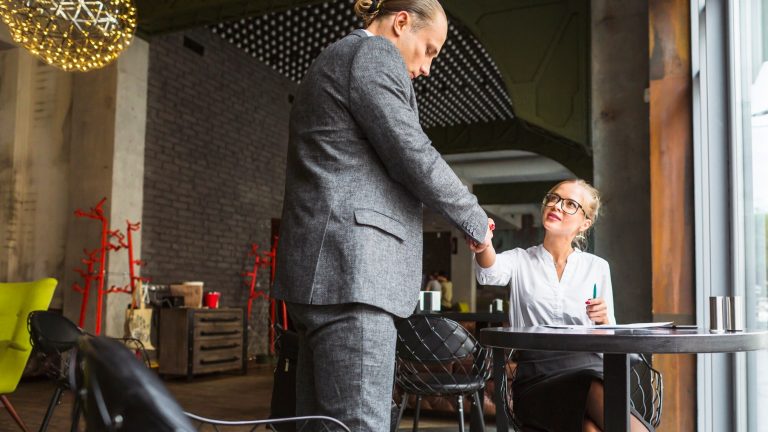 Introduction Etiquette: Who Is Introduced to Whom, and How to GreetRead the guide →
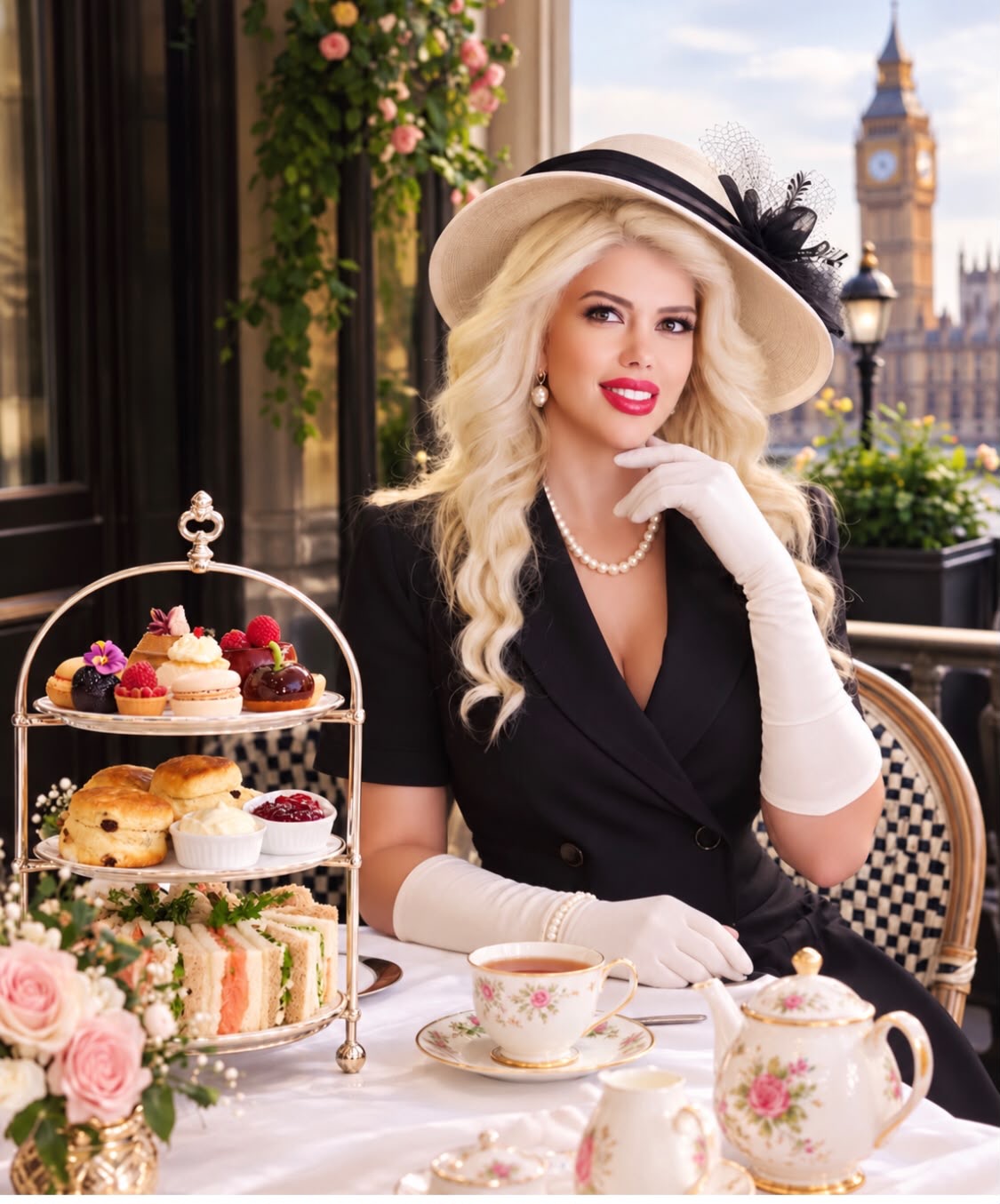 What Is Elegance? 12 Habits of Genuinely Elegant PeopleRead the guide →
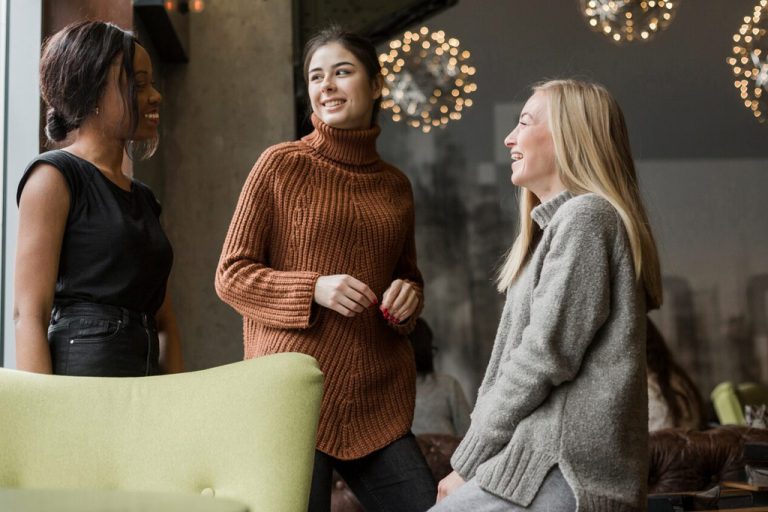 Modern Etiquette Rules: 30 Everyday Manners That Still MatterRead the guide →
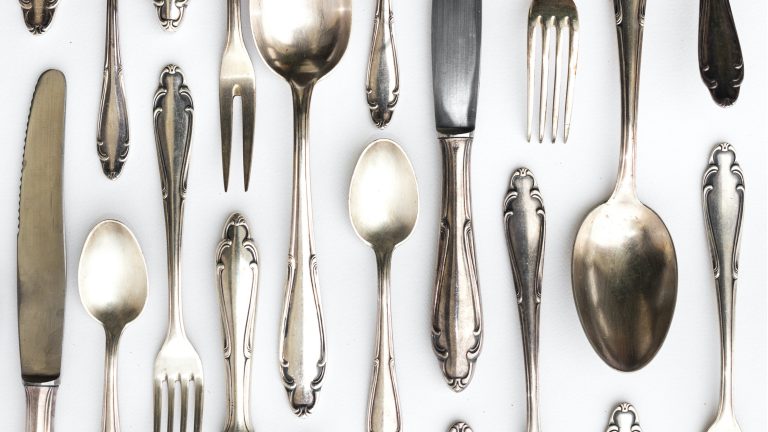 Table Manners: A Complete Guide to Cutlery, Napkins and SettingsRead the guide →
Frequently Asked Questions About Individual Etiquette and Image Consulting
What is etiquette and image consulting?
Etiquette and image consulting is a tailored, one-to-one programme in how to behave, present yourself and express yourself in social and professional settings. It covers greetings and introductions, conversation, dining, posture, dress and speech. The aim is not to change who you are but to help you feel at ease, as yourself, wherever you find yourself.
Who is individual consulting for?
Professionals working internationally or moving abroad, managers stepping into a new role and anyone who wants to feel more confident in social life. It also suits people who need to prepare in a short time for a formal occasion, an important introduction or an interview. No prior knowledge is needed; the programme starts from where you are.
Is the content tailored to me?
Yes. Your goals are set in the first meeting and the work is shaped around them. The programme follows two main tracks: business protocol masterclasses and social etiquette masterclasses. We select what you need from the thirteen-module curriculum. For someone relocating abroad, for instance, international social etiquette, dining and body language usually come first.
How long does the training take?
Individual programmes are planned over one to three days depending on your goals. The scope is agreed in the first meeting. Short single-topic sessions are also possible, such as preparation for one dinner or one presentation. Modules are chosen according to your priorities rather than all thirteen being covered at once.
Are online sessions as effective as in-person ones?
Theoretical and communication-focused topics can be covered just as effectively online: introductions, conversation, correspondence, speech and cross-cultural differences, for example. For practical parts such as table manners, in-person sessions are recommended. If you live outside Istanbul or outside Turkey, we plan the programme with that in mind.
What is the difference between the business protocol and social etiquette tracks?
The business protocol masterclasses are for professionals, especially those working internationally. They help you develop your business relationships and deal with difficulties that arise from cultural differences. The social etiquette masterclasses concentrate on social life: interpersonal skills and international etiquette for social occasions. Most private etiquette coaching programmes draw on both.
Are the one-to-one etiquette lessons available in English?
Our website, application form and correspondence are available in English, and we work with international clients, including through our programme on Turkish business culture for foreign professionals. Please tell us your preferred language when you apply, so that we can confirm the arrangement with you before the programme is set.
Where do sessions take place, and how is the fee set?
In-person sessions take place in Istanbul; the office is in Moda, Kadıköy, on the Asian side of the city. Online sessions are open to you wherever you are. There is no fixed fee, because each programme is prepared for one person: the length, the modules chosen and the format shape the quote. Fill in the application form and we will be in touch.
 TR
 EN