
- Format
- In person or online
- Participants
- Individual and corporate
- Fee
- Tailored quote
The reason behind rules
You learn why each convention exists, so you can work out the considerate thing to do in situations no rulebook covers.
Practised, not memorised
Introductions, handshakes, taking your seat and opening a conversation are rehearsed through role-play until they feel natural.
Social and professional
From a dinner at someone's home to a business lunch, the conventions of private and working life are covered together.
Turkish and international
Taught from Istanbul with a cross-cultural outlook, covering Turkish customs alongside the conventions you meet in other countries.
Social Etiquette: What It Is and How We Teach It
Social etiquette is the set of shared conventions that guide how we greet, address, host, visit and dine with other people. Our etiquette coaching teaches these conventions together with the reasons behind them, through practice rather than memorisation, so that you know what to do in any company. Sessions are held in Istanbul or online, for individuals and for teams.
Etiquette, manners and courtesy
The three words overlap but are not identical. Etiquette is the code: the agreed way of doing things in a particular society or setting. Good manners are how a person actually behaves, whether or not a rule exists. Courtesy is the attitude underneath both. A person can know every rule and still be unkind, which is why we teach the principle first and the rule second. Etiquette also changes with place and time. What is natural at a family table may be out of place at a formal dinner, and what is polite in one country can cause confusion in another.
What everyday etiquette covers
The coaching follows the situations you meet most often:
- Meeting people: greetings, handshakes, introductions and forms of address.
- Everyday etiquette: listening, personal space, body language and behaviour in shared spaces.
- Guest and host etiquette: invitations, visiting, serving and gifts.
- The table: place settings, cutlery and the flow of a meal.
- Social occasions: receptions, celebrations and conversation.
- Working life: meetings, business cards and business meals.
How this differs from Etiquette & Elegance Training
This page is about the rules of conduct themselves: what is done, when and why. Etiquette & Elegance Training is a broader programme that adds poise, posture, body language, dress and personal image to those rules. If you want to know what to do in specific situations, etiquette lessons are the right starting point. If you are looking for an all-round approach that includes how you carry and present yourself, see the training page.
How the coaching works
The work is practical. We rehearse introductions, handshakes, taking a seat at the table and opening a conversation, because in a tense moment people fall back on what they have done before, not on what they have read. The content is not a fixed package. An invitation that is coming up, a new position or a move to another country decides which areas receive the most attention.
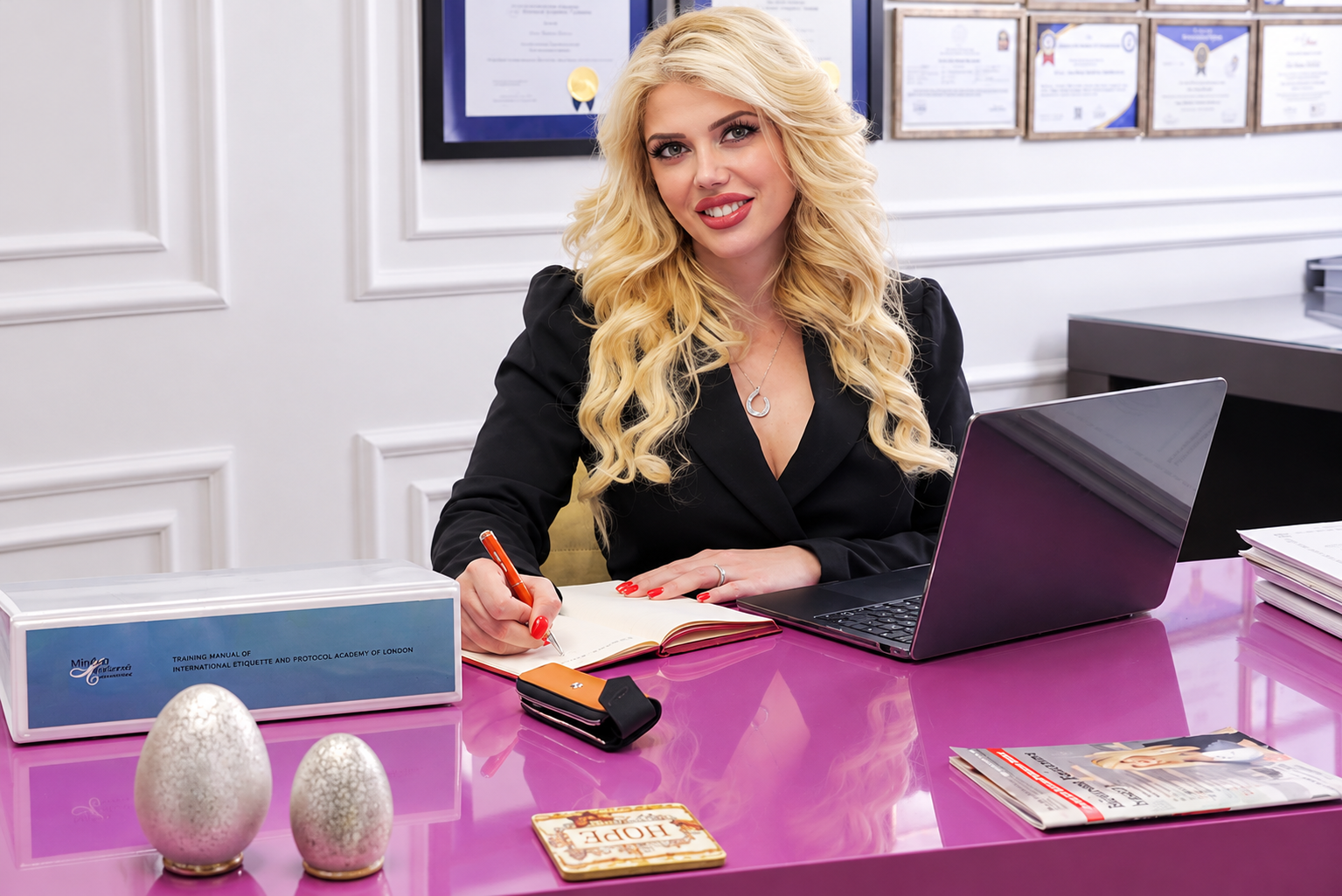
Bersu Ekinci trained with the International Etiquette & Protocol Academy of London and is a certified consultant with Minding Manners International. Working from Istanbul under the name Elegance and Wellbeing Consulting, she teaches Turkish customs and international etiquette side by side. That is useful both for Turkish clients heading abroad and for foreigners who want to understand social life in Türkiye.
Choosing a programme
To work on social etiquette one to one, see Individual Consulting. For a team, Corporate Consulting is the right route. Children and teenagers have their own age-based programme, Communication Skills for Children and Teens. For information and a quote, please use our contact page.
Good manners are less about rules than about making the people around you feel at ease.
What We Cover in Etiquette Coaching
The service is built around eight areas. How much time each one receives depends on your goals and the occasions you have ahead of you.
1. Greetings, Introductions and Forms of Address
Etiquette is often tested in the first few seconds. Who offers a hand first, how do you introduce two people, and what do you call someone you have just met? In social life the traditional order follows age and familiarity; at work it follows role, with clients and guests given precedence. We practise handshakes, self-introductions and the wording of introductions through role-play. For readers in Türkiye we also cover Turkish forms of address, such as a first name followed by “Hanım” or “Bey”. Our guide to greetings and introductions etiquette is a useful summary.
2. Courtesy in Daily Life
Small details make a big difference. This area covers proper forms of address in everyday communication, the art of listening, an empathetic approach, awareness of personal space and courtesy in body language. We look at ordinary settings such as lifts, queues, public transport, shops and shared buildings: holding a door, giving way, saying thank you and sorry at the right moment, keeping your voice suited to the room. The aim is to turn consideration into a habit you no longer have to think about. Our list of modern etiquette rules sets out the basics.
3. Guest and Host Etiquette
Being a good guest and a good host are two separate skills. As a guest: replying to an invitation, arriving at a sensible time, bringing a small gift, following the household's ways and leaving before the evening runs out. As a host: welcoming people, introducing guests to each other, the order of serving, keeping conversation open to everyone and seeing guests off. In many Turkish homes guests are offered slippers at the door and tea is served more than once; accepting is the gracious response. Customs vary between households, so the safest guide is to watch your host.
4. Dining Etiquette
The table is where manners are most visible. We cover taking your seat and leaving the table, the napkin, holding and resting cutlery, when to begin eating, bread and soup, conversation and where your phone belongs. We also compare a family meal, a restaurant and a formal dinner. The essentials are in our table manners guide. If you would like to work through a full place setting from start to finish, The Art of International Dining is the programme devoted to this subject.
5. Receptions and Social Occasions
How we behave in company reflects our character. Here we work on graceful behaviour at receptions and invitations, introductions and first impressions, boundaries of respect in crowded settings and an easy conversational style. That includes reading a dress code, starting a conversation with a stranger, joining a group that is already talking and leaving it politely. We also discuss weddings, condolence visits and festive visits, where expectations differ from culture to culture. Related reading: making a good first impression.
6. Meeting and Business Dining Etiquette
In professional life, how you represent yourself matters as much as what you know. We cover how to sit, speak and address others in meetings; table settings and order of service at business dinners; and handshakes, introductions and business card etiquette. Participants learn to present themselves in a respectful and measured way. If your main interest is working life, our Business Etiquette page goes further. For preparation, read our article on business dining etiquette.
7. Digital Etiquette: Phone, Messages and Social Media
Courtesy applies on a screen as well. We discuss when to call and when to message, voice notes, group chats, how quickly a reply is expected and asking before you post a photograph of someone else. Where your phone sits during a face-to-face conversation belongs here too. Tone is easily misread in writing; a greeting, a clear request and a thank-you prevent most misunderstandings. Our article on email and WhatsApp etiquette gives the detailed rules.
8. Making Good Manners a Habit
Etiquette is not a set of behaviours to memorise; it is a culture of awareness, inner balance and respect. In the final area we look at how to carry what you have learned into ordinary days: personal awareness, effective communication, respect for yourself and for others. We also cover what to do when you do not know the rule, how to recover from your own mistake and how to respond to someone else's. Etiquette exists to put people at ease, not to catch them out. See Responding Gracefully to Difficult Behaviour for more.
What You Take Away
- You know who is introduced to whom, in social and professional settings, and can do it smoothly.
- You choose the right form of address for the person and the occasion.
- You handle the steps of being a guest and a host: welcome, serving, gifts and farewells.
- You are comfortable at a family table, in a restaurant and at a formal dinner.
- You can start a conversation with a stranger, join a group and leave it politely.
- You represent yourself in a measured way in meetings and at business meals.
- When you meet an unfamiliar culture, you know what to observe and what to ask.
Who Is Etiquette Coaching For?
- Professionals who want to represent themselves with more confidence at work
- People who want to feel at ease at social events and family occasions
- Anyone moving abroad or working with international partners
- Expatriates and newcomers settling into social life in Türkiye
- People preparing for a new role, a new circle or a major occasion
- Companies that want a tailored programme for client-facing teams
Guides on this topic
Free, in-depth articles to read before or after the training.
 Modern Etiquette Rules: 30 Everyday Manners That Still MatterRead the guide →
 Introduction Etiquette: Who Is Introduced to Whom, and How to GreetRead the guide →
 What Is Elegance? 12 Habits of Genuinely Elegant PeopleRead the guide →
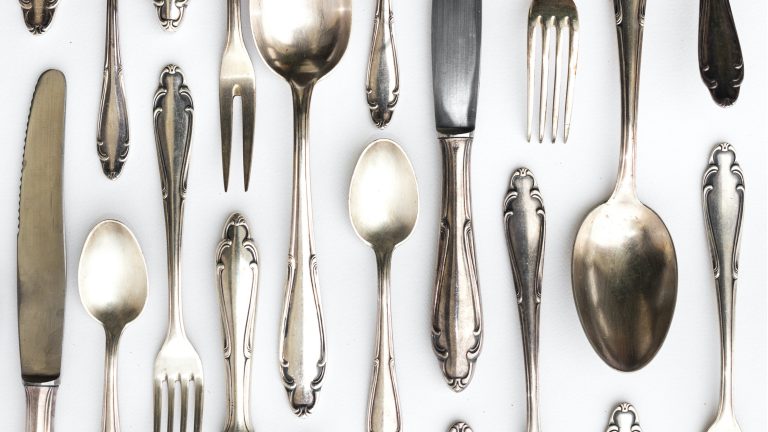 Table Manners: A Complete Guide to Cutlery, Napkins and SettingsRead the guide →
 Digital Courtesy: Email and WhatsApp EtiquetteRead the guide →
 Teaching Children Manners: An Age-by-Age Guide for ParentsRead the guide →
Frequently Asked Questions About Etiquette Coaching
What is social etiquette?
Social etiquette is the set of shared conventions that guide how people treat one another in everyday life: greetings, introductions, forms of address, visiting, dining and conversation. It differs from business etiquette, which applies the same principles to the workplace. The rules change with culture and setting, but the purpose stays the same: showing consideration and making others comfortable.
Who is etiquette training for?
Professionals who want to represent themselves with more confidence at work, people who want to feel at ease at social events, and anyone moving abroad or working with international partners. Companies can also request a tailored corporate programme for their teams. There is no age or career requirement; the content is shaped around your goals.
What topics does the training cover?
Courtesy in daily life (forms of address, listening, personal space, body language), meeting and dining etiquette (seating, table settings, handshakes, business cards), the right conduct in social settings (invitations, first impressions, introductions) and making elegance a way of life. Guest and host etiquette, table manners and phone and messaging courtesy are covered alongside these.
Does etiquette differ from country to country?
Yes. From greetings to table settings, many rules vary by culture; the same behaviour can be perceived differently in the UK, France, Japan or the Gulf countries. A handshake, a bow or a kiss on the cheek may each be the usual greeting depending on the country and how well people know each other. The training covers Turkish etiquette as well as international differences.
Is the training theoretical or practical?
Practical. Situations such as introductions, handshakes, being seated at the table and starting a conversation are practised through role-play. We first discuss the reason behind each convention, then try it out in a situation you are likely to face. Having done something once is far more useful under pressure than having only heard about it.
Can I take etiquette lessons online?
Yes. Sessions are held in person in Istanbul or online, which suits people living in other cities or abroad. The scope is the same in both formats. Which areas come first and how the practical exercises are run are planned with you beforehand. To ask about availability, write to us through the contact page.
How is this different from Etiquette & Elegance Training?
This service concentrates on the conventions themselves: who is introduced to whom, what is expected of a guest, what to do at the table. Etiquette & Elegance Training is a broader programme that adds poise, posture, body language, dress and personal image. Choose this page's focus to fill gaps in the rules, and the wider programme for an all-round approach.
Which programme should I choose?
Choose Individual Consulting to progress on your own, Corporate Consulting for your team, or The Art of International Dining for a dining-focused programme. If you want etiquette combined with posture and image, Etiquette & Elegance Training is the better fit. If you are unsure, tell us about your situation and we will suggest a starting point.


 TR
 EN