
- Duration
- 1-3 days
- Format
- In person or online
- Participants
- Individual, group and corporate
- Fee
- Tailored quote
Introductions and address
You rehearse greetings, introductions, handshakes and forms of address, so the first minutes in any room feel comfortable.
Poise and posture
You practise standing, sitting, rising and walking, and learn how eye contact, distance and gestures are read by others.
Dining etiquette
At a laid table you practise cutlery, glasses and napkin, and the positions that signal a pause and the end of the meal.
A tailored programme
We choose from eight modules in a first conversation; the training runs for one to three days, in person or online.
Etiquette Training in Istanbul and Online: What It Is and How It Works
Etiquette training is a practical programme that teaches social etiquette, poise and posture, introductions and conversation, dining etiquette and dress. Its aim is not to drill rules but to help you feel at ease and act considerately in any setting. It is taught by Bersu Ekinci in Istanbul or online, one-to-one, in groups or for organisations.
What etiquette and elegance training is, and is not
Elegance is often confused with expensive clothes or a cool manner. Our definition is simpler: elegance is the habit of making other people comfortable. Etiquette is the shared language of that consideration. In training you learn the language first, then adapt it to your own character. Our article what is elegance explores the idea further.
People look for this under several names: etiquette classes, an etiquette course, elegance training, an etiquette coach, even a finishing school. The question behind them is the same: what is expected of me here, and how do I do it as myself? The training does not try to turn you into someone else. Affected manners are as uncomfortable as bad ones, so staying natural is our constant principle.
Who takes etiquette classes?
Most people who apply want to feel better prepared for a particular situation:
- Work: a new role, a management position, international partners, business meals.
- Occasions: a wedding, a formal reception, meeting a partner’s family.
- A new setting: relocating to another country, including to Turkey, or entering a different social circle.
- Personal interest: a wish to improve posture, speech and personal style.
- Organisations: a consistent standard for teams who receive clients and guests.
How the training works
There is no off-the-shelf package. Each programme is put together in three steps.
- First conversation: after you apply, we talk about your goal, the setting you are preparing for and the situations you find difficult.
- A tailored programme: we choose the modules you need from the list below and set the length accordingly, between one and three days.
- Practical sessions: we rehearse real situations such as an introduction, taking your seat at a table or opening a conversation.
In-person training takes place at our office in Moda, Kadıköy, on the Asian side of Istanbul. The online etiquette course covers the same content by video call for those elsewhere in Turkey or abroad.
An Istanbul perspective
Turkish hospitality and European conventions meet in Istanbul every day. Bersu Ekinci trained at the International Etiquette & Protocol Academy of London and holds a master’s degree from Manchester Metropolitan University, so the programme draws on both British and Turkish practice. Where traditions differ, we say so and explain which applies where, rather than presenting one country’s habits as universal.
Where to go next
As your needs become clearer, a more focused programme may suit you:
- Individual Consulting, to work one-to-one through the thirteen-module international social etiquette curriculum.
- Corporate Consulting, for etiquette, image and communication training for your team.
- Communication Skills for Children and Teens, for younger members of the family.
- Our Etiquette service page, for an overview of courtesy in daily life, in meetings and in social settings.
If you are unsure, describe your situation briefly on the application form and we will choose the programme together.
Elegance is the habit of making other people comfortable; knowing the rules simply makes that easier.
What the Etiquette Course Covers
Your programme is built from the eight modules below, chosen according to the goals we set in the first conversation. In each one we explain why a convention exists, then practise it.
Module 1: The Foundations of Elegance and Social Etiquette
We begin with the three ideas behind every rule: respect, consideration and restraint. From there we work through everyday social etiquette: greeting people, thanking and apologising, listening without interrupting, personal space, punctuality and phone use in company. We always discuss the reason behind a convention, because someone who understands the reason can work out what to do when no rule applies. Our guide to modern etiquette rules is useful background reading.
Module 2: Poise, Posture and Body Language
An upright but relaxed posture, an unhurried walk and measured gestures support what you say. In this module we practise standing, sitting down and rising, using stairs, getting in and out of a car and walking steadily in heels. We also look at how eye contact, smiling, distance and gestures are read by other people, and how those readings change between cultures. For more detail, see our article on confident body language.
Module 3: Introductions, Forms of Address and Conversation
We rehearse the first minutes in a room: introducing yourself, introducing two people to each other, shaking hands, remembering names and exchanging business cards. We cover when first names are appropriate and when a title is expected, including Turkish forms such as “Bey” and “Hanım” for readers who live or work in Turkey. Through role-play you practise starting a conversation, keeping it going and leaving it gracefully. If communication is your main goal, Effective Communication Techniques is a separate programme.
Module 4: Dining Etiquette
We work at a laid table: where plates, cutlery and glasses sit, why cutlery is used from the outside in, what to do with the napkin and which bread plate is yours. You learn to hold a knife and fork in the continental style, how the American style differs, and the positions that signal a pause and the end of the meal. When to begin, conversation and phones at the table are covered too. For a full day on this subject alone, see The Art of International Dining.
Module 5: Dress, Grooming and Personal Image
Dressing elegantly does not mean following fashion; it means dressing for the occasion, the hour and the company. We look at how to read dress codes on an invitation, such as black tie, lounge suit or smart casual, what suits a business setting and a social one, and where grooming and accessories help or distract. The aim is not to put you in a uniform but to make your own style consistent. Related reading: professional image.
Module 6: Invitations, Hosting and Gifts
We cover both sides of an invitation. As a guest: replying, when to arrive and when to leave, what to bring for the host and how to say thank you afterwards. As a host: inviting, welcoming, seating, the order of service and introducing guests to one another. We show what changes as the scale grows from supper for two to a large reception. If you would like to host a tea, The British Tea Tradition follows on naturally from this module.
Module 7: Digital Courtesy and Correspondence
Much of daily communication is now written. This module covers email subject lines, greetings and sign-offs, response times and the use of “reply all”; timing, voice notes and emoji in messaging groups; and camera, microphone and background on video calls. We also discuss where a handwritten thank-you note or a printed invitation still makes a difference. Our article on email and WhatsApp etiquette is a good place to start.
Module 8: Cross-Cultural Differences
Etiquette is not universal. A gesture that is polite in one country can cause surprise in another. Greetings, physical distance, attitudes to punctuality, the way gifts are given and habits at the table are the differences people meet most often. We choose the content of this module according to the countries you travel to or work with. For international readers based in Turkey, we explain what Turkish hospitality asks of a guest. Where work is the main context, see Turkish business culture.
By the End of the Training
- You handle introductions, handshakes and forms of address without having to think about them.
- You stand, sit and walk with balanced, relaxed posture.
- You use cutlery, glasses and napkin correctly at a formal table and know the pause and finished positions.
- You can read a dress code and choose clothes that suit the occasion.
- You know what is expected of you as a guest and as a host, from the reply to the thank-you note.
- You write emails and messages, and appear on video calls, with care.
- You know what to look out for when you meet people from other cultures.
Who Etiquette Training Is For
- Professionals who want to represent themselves with more confidence in meetings and at business meals
- Anyone preparing for a wedding, a formal reception or an important introduction
- People moving abroad, or moving to Turkey, for work or study
- Organisations that want a shared standard of conduct for teams who receive clients and guests
- Friends or families who would like to learn together
- Anyone who wants to feel more at ease in company and find their own style
Guides on this topic
Free, in-depth articles to read before or after the training.
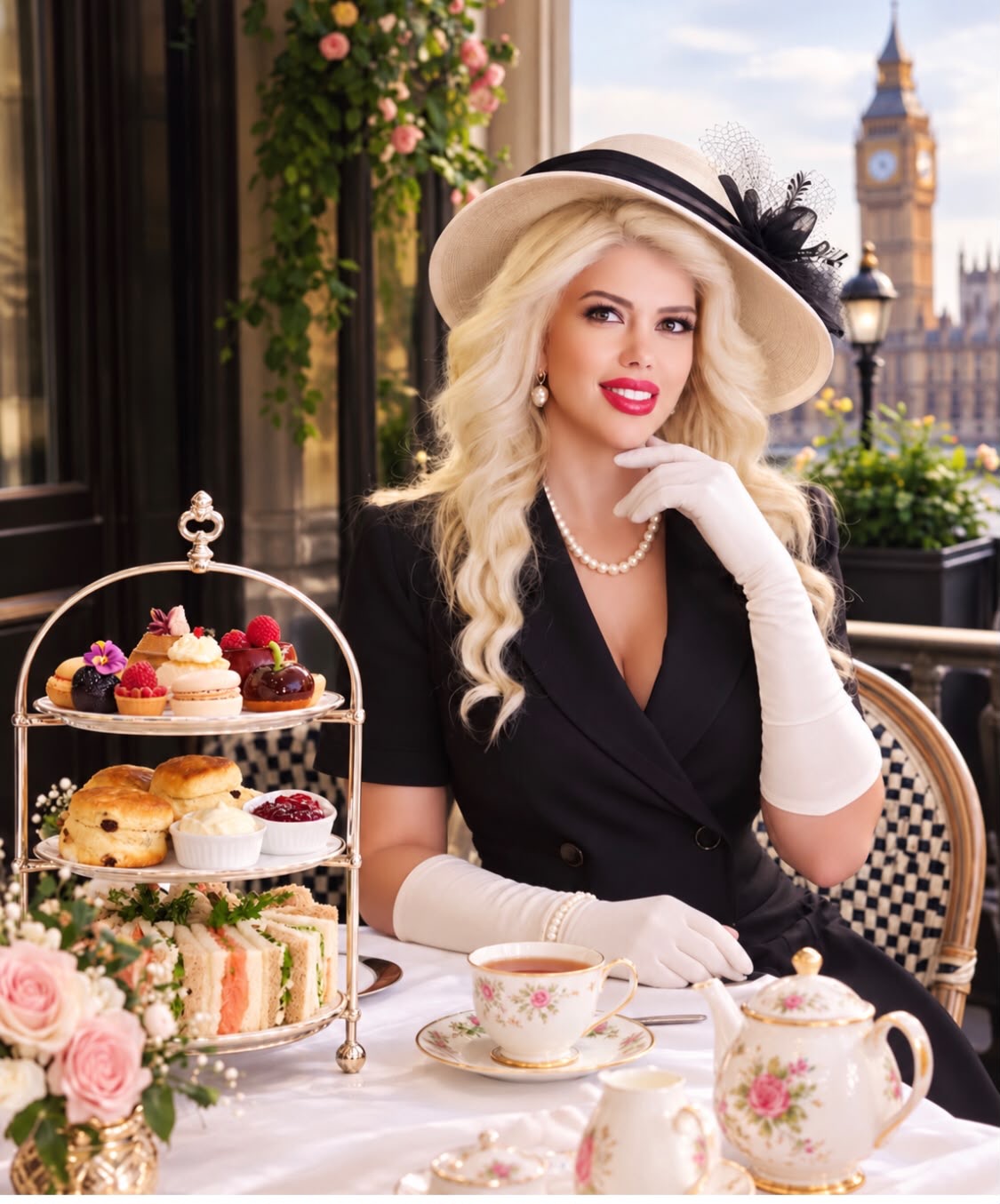 What Is Elegance? 12 Habits of Genuinely Elegant PeopleRead the guide →
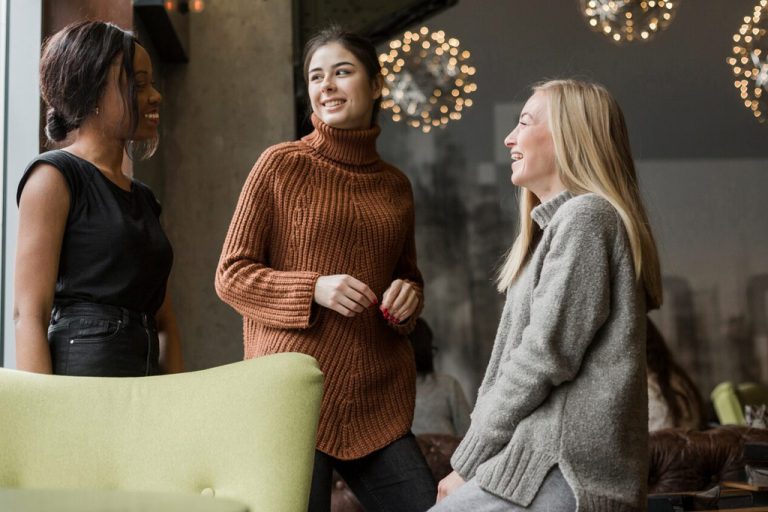 Modern Etiquette Rules: 30 Everyday Manners That Still MatterRead the guide →
 Introduction Etiquette: Who Is Introduced to Whom, and How to GreetRead the guide →
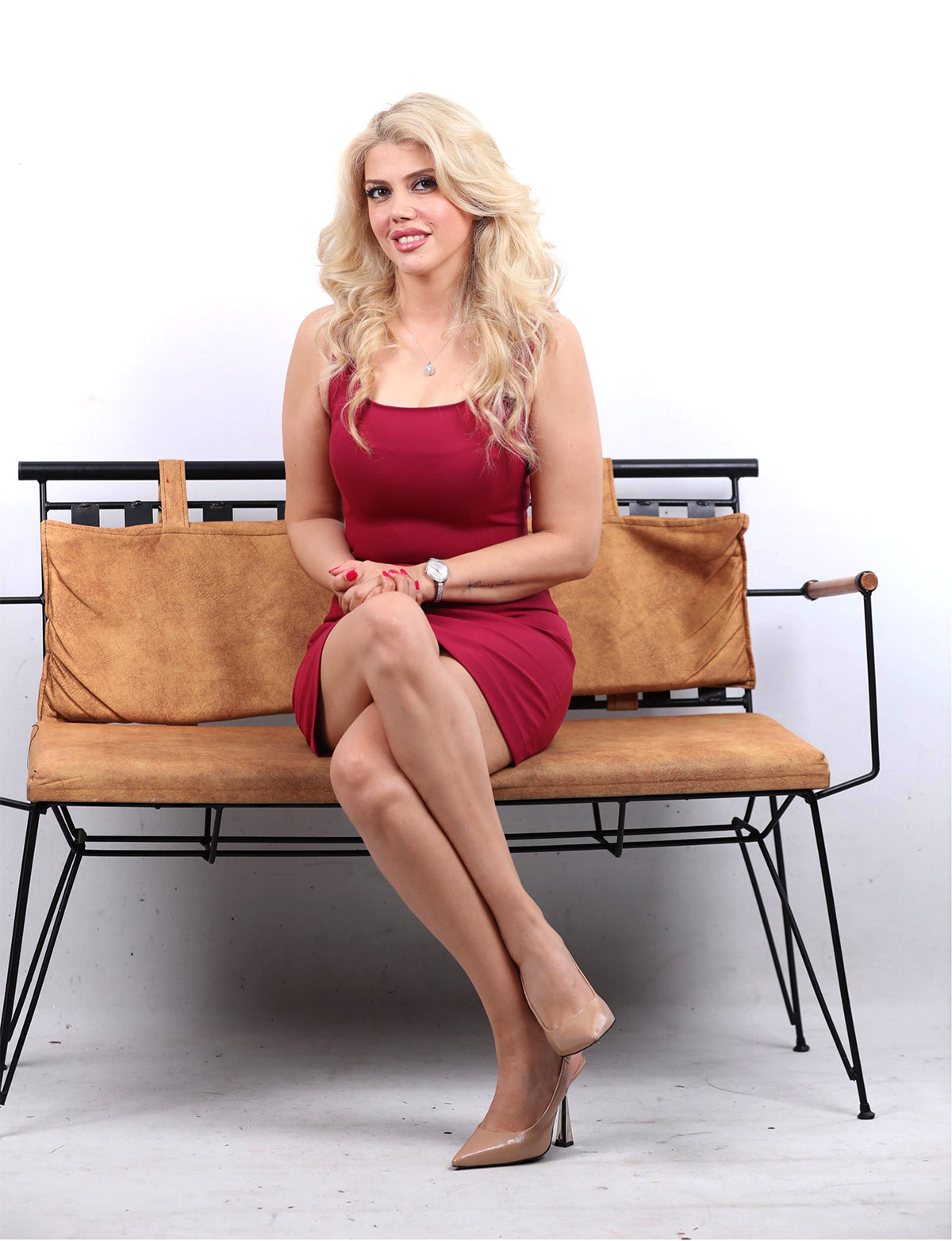 How to Make a Good First Impression: Before, During and AfterRead the guide →
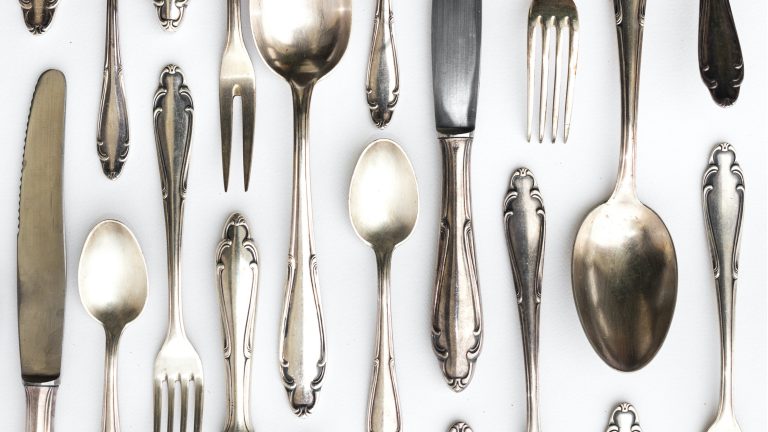 Table Manners: A Complete Guide to Cutlery, Napkins and SettingsRead the guide →
 Confident Body Language: Posture, Eye Contact and GesturesRead the guide →
Frequently Asked Questions About Etiquette Training
What is etiquette training?
Etiquette training is practical instruction in the conventions of social and professional life: greetings and introductions, conversation, posture and body language, dining, dress and correspondence. The purpose is not to memorise rules but to turn them into habits, so that in a meeting, at a dinner or at a family occasion your attention is on the people you are with rather than on yourself.
Is this a finishing school in Istanbul?
Not in the traditional sense. A finishing school is traditionally a residential course lasting weeks or months. We teach the same subjects, including deportment, dining, conversation, hosting and dress, as private or small-group training over one to three days. The programme is chosen around your goals and takes place in Istanbul or online.
How long does the etiquette course take?
Between one and three days, depending on scope. Work on a single subject, such as dining etiquette or introductions and conversation, can be completed in a day. A fuller programme that includes most of the modules is spread over three days. We plan the days together, consecutively or spaced out, to suit your diary.
Does an online etiquette course work?
Introductions, conversation, digital courtesy, dress and cross-cultural differences work well online. Posture and movement can also be observed and corrected on camera. Subjects that need practice at a table, such as dining etiquette, are more effective in person. If you live outside Istanbul, we arrange the programme with that in mind.
Where does the training take place?
In-person training takes place in Istanbul; our office is in Moda, Kadıköy, on the Asian side of the city. For corporate programmes, holding the training at the organisation's own premises can be discussed. Online training is open to you wherever you are. Place and dates are agreed in the first conversation after you apply.
Is the training available in English?
Our website, application form and correspondence are available in English, and we work with international clients, including through our programme on Turkish business culture for foreign professionals. Please tell us your preferred language when you apply, so that we can confirm the arrangement with you before the programme is set.
Can we take the training as a group or a company?
Yes. The training is offered one-to-one, to groups of friends or family, and to organisations. Corporate content is chosen around the team's work: welcoming, forms of address and correspondence for client-facing teams, for example, and representation and business dining for managers. Our Corporate Consulting page has the details.
How much does etiquette training cost?
There is no fixed fee, because each programme is prepared for a particular person or organisation. The length, the number of participants, the modules chosen and whether the training is in person or online all shape the quote. Fill in the application form on this page and we will get in touch, listen to what you need and send a tailored quote.


 TR
 EN