

Business Dining Etiquette: 10 Details That Build Trust at the Table
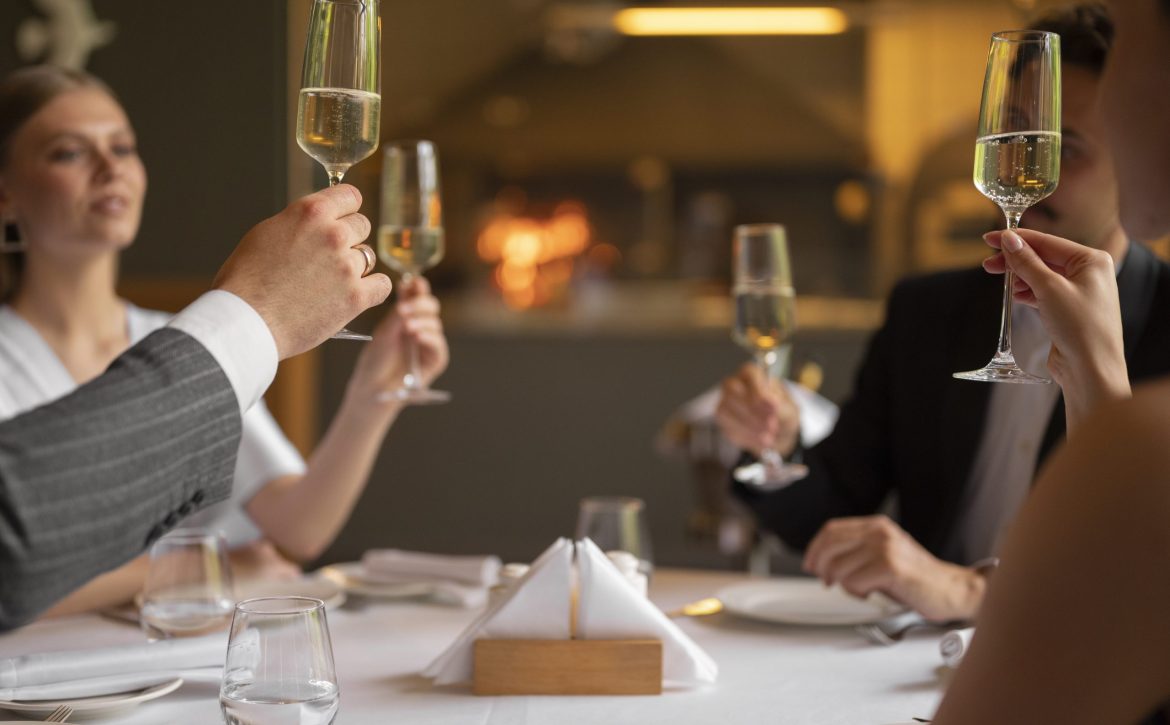
A business meal is a meeting held at the table. However pleasant the menu, the venue and the conversation, the person opposite you is assessing not only what you say but also how you behave. How you hold your fork, where you put your phone and how the bill is settled can leave a more lasting impression than a presentation.
In this article we have gathered ten details that build trust and put you at ease at a business meal, in three parts: before the invitation, at the table and at the close.
Before the Invitation: Preparation
1. Choose the venue with your guest in mind
If you are the host, choose a venue where you can talk at a quiet table and whose service you know. Asking your guest about dietary preferences or restrictions in advance is the first courtesy. Make the reservation yourself and make sure the table is ready.
2. Arrive on time
As the host, being at the table a few minutes early allows you to welcome your guest. As a guest, arriving exactly on time is enough; if you are going to be late, let your host know in advance and apologise briefly.
3. Dress for the venue and the purpose of the meal
A business meal is an extension of a business meeting, and your clothing should reflect that. Even if the venue is more relaxed, consider your counterpart’s corporate culture and the formality of the occasion.
At the Table: The Right Conduct
4. Let the host lead the seating
When you reach the table, wait for the host to show you where to sit. If you are the host, offer your guest the most comfortable seat, facing the view or the room.
5. Use your napkin correctly
The napkin is placed on your lap once everyone is seated. If you leave the table briefly, place it on your chair; when the meal is over, leave it unfolded to the left of your plate.
6. Work from the outside in with cutlery
If there are several forks and knives, start with the outermost ones and work inwards with each course. Placing your knife and fork crossed on the plate signals a pause; placing them side by side signals that you have finished. We practise every detail of table setting in our Art of International Dining training.
7. Keep your order simple and measured
Choose easy-to-eat dishes in the mid price range. Spaghetti, shellfish or dishes eaten with the hands can interrupt the conversation. If you are the host, let your guest order first.
8. Keep your phone off the table
A phone on the table signals divided attention. Put it on silent and keep it in your bag or pocket; if you are expecting a very important call, say so at the start and take the call away from the table.
9. Wait for the right moment to talk business
Conversation usually begins with general topics that help build rapport; business is mostly raised after the main course, led by the host. Avoiding potentially contentious topics such as politics, religion and personal finances keeps the atmosphere pleasant.
The Close: The Bill and Thanks
10. The host pays
At a business meal, the party who extended the invitation pays. To avoid discussing the bill at the table, the host can settle it in advance or by stepping away briefly. A short thank-you email the following day reinforces the positive impression of the meeting.
Cultural Differences at International Business Meals
If you are dining with an international business partner, remember that the rules vary from culture to culture. In some cultures business is not discussed at the first meeting and trust is built first; in others the meal is a direct part of the negotiation. Finishing everything on your plate may show in one culture that you enjoyed the meal, and in another that you are still hungry. We explain these differences region by region on our Business Etiquette page, and for foreigners doing business in Türkiye we offer Turkish Business Culture training.
Frequently Asked Questions
Who pays at a business meal?
As a general rule, the party who extended the invitation pays. If it is a mutual meeting, it is common courtesy for the other party to host the next meal.
What should I do if I am served something I do not like?
It is enough to try a small amount without comment or to continue with the rest of the plate. If you cannot eat it for allergy or health reasons, you can say so calmly and briefly.
Is it acceptable to take notes during the meal?
Short notes are fine; however, to avoid turning the table into a meeting room, it is more graceful to leave detailed notes until after the meal.
Learn table manners in practice. We work on business dining and hosting in The Art of International Dining training and, for your team, in Corporate Consulting.


 TR
TR EN
EN