

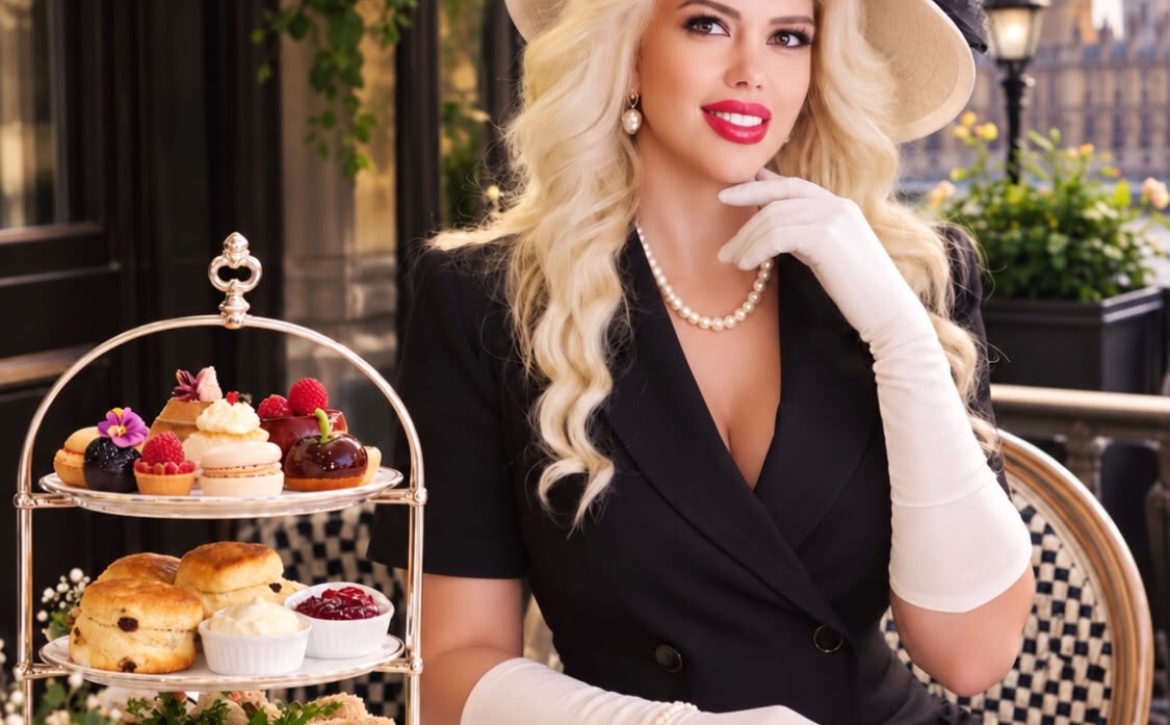
What Is Elegance? 12 Habits of Genuinely Elegant People
In brief
- Elegance is a quality of behaviour, not a look: restraint, simplicity and care for the people around you.
- Etiquette tells you what to do; elegance is how you do it.
- Being elegant does not require expensive clothes or a reserved manner. It requires fit, grooming and attention.
- Poise and grace are learnable. They come from small habits such as posture, pace, listening and punctuality.
- Work on one habit at a time for a few weeks rather than trying to change everything at once.
What is elegance? Elegance is the quality of doing things with restraint, simplicity and care. It shows in how you look, how you speak and, above all, how you behave towards other people. It is not a matter of wealth, fashion or a particular body type. It is a set of habits that anyone can learn and that become natural with practice.
This article defines elegance, explains how it differs from etiquette, manners, poise and grace, and then sets out 12 habits you can begin practising today.
What is elegance? A working definition
Elegance means achieving a pleasing effect with nothing unnecessary added. The English word traces back to the Latin elegans, associated with choosing carefully. That idea of selection is still the heart of it: an elegant person chooses what to wear, what to say and what to leave out.
It helps to think of elegance in three layers:
- Appearance: well groomed, simple and suited to the occasion.
- Expression: tone of voice, choice of words and the way you listen.
- Conduct: the respect, patience and restraint you show others.
The same word is used in mathematics and design for a solution that is simple and exact. The meaning carries over well. An elegant answer and an elegant person share the same feature: no wasted effort and nothing done for show.
Elegance vs etiquette, manners, poise and grace
These words are often used as if they meant the same thing, but they describe different things. Etiquette tells you what to do. Manners show your intention. Elegance is how you do it. The table below gives the distinctions we use in our training.
| Term | What it means | An example at the table |
|---|---|---|
| Etiquette | The agreed conventions for a particular setting or culture. | Using cutlery from the outside in. |
| Manners | Everyday consideration for others, with or without formal rules. | Thanking the person who serves you. |
| Poise | Composure and balance, especially under pressure. | Staying calm when you spill a glass of water. |
| Grace | Ease of movement and generosity of manner. | Quietly passing your napkin to the person who spilt it. |
| Elegance | All of the above applied with simplicity and restraint. | Following a guest’s lead when they pick up the wrong glass, so that nobody notices. |
Knowing the conventions is the foundation. We have set them out by setting in our guide to modern etiquette rules. Elegance is the style built on top of that foundation.
How to be elegant: 12 habits
Elegance comes from small, consistent habits rather than one large change. These are the twelve we return to most often in our training.
1. Stand tall, but stay relaxed
Posture is noticed before you speak. Let your shoulders drop back and down, keep your chin parallel to the floor and balance your weight on both feet. The aim is an upright, loose frame, not a military stance. When seated, rest your back against the chair and keep both feet on the floor.
2. Slow your movements
Haste is the enemy of elegance. Pause for a moment as you enter a room, put down your bag or pull out a chair. The pause steadies the movement and gives you time to take in who is there.
3. Mind your volume and pace
Speak loudly enough for the person you are addressing and no louder. An unhurried pace, with a short pause at the end of each sentence, is easier to follow and reduces fillers such as “um” and “you know”.
4. Choose your words
“Please”, “thank you”, “excuse me” and “I’m sorry” do most of the work. Turn instructions into requests: “Could you pass the water, please?” rather than “Pass the water.” Cutting back on slang and exaggeration makes speech sound more considered.
5. Listen without interrupting
Listening is the least visible part of elegance and the most strongly felt. Let the other person finish, keep comfortable eye contact and leave your phone alone. A brief pause before you reply shows that you have heard them.
6. Dress simply and appropriately
The measure of elegant dress is fit and suitability, not price. Clothes should fit, be clean and pressed, and match the formality of the occasion. When in doubt, choosing the slightly smarter option is usually the safer decision. Dress norms differ between countries and industries, so it is reasonable to ask your host what is expected.
7. Look after the details of grooming
Clean hands and nails, tidy hair, polished shoes and a light fragrance say more than the clothes themselves. Fragrance should be noticed only by someone standing close to you.
8. Be punctual and keep your word
Punctuality is respect for another person’s time. If you will be late, say so in advance and apologise briefly rather than explaining at length. Attitudes to time vary: in some cultures a social invitation for eight means eight, in others arriving a little later is expected. When you are unsure, ask.
9. Take care at the table
The table is where elegance is most visible. Take small mouthfuls, do not speak with your mouth full, place the napkin on your lap and begin when everyone has been served. Our table manners guide explains cutlery, napkins and place settings in detail.
10. Manage your phone
Putting your phone away and on silent when you are with someone is the clearest way to say “I am here with you.” If you are expecting an important call, mention it at the start and keep the call short.
11. Stay composed when things go wrong
Elegance is most evident under pressure. When you make a mistake, apologise briefly and move on; long explanations draw attention to it. When someone else makes a mistake, do not correct them in front of others. If you meet rudeness, you can set a limit without raising your voice.
12. Put other people at ease
This is the essence of elegance. Remember names, introduce the newcomer to the group, give sincere compliments and avoid talking about people who are not present. It is why we feel comfortable in the company of elegant people.
Three common myths about elegance
Elegance is often described as something distant and difficult. The three myths we hear most have little to do with it.
- “Elegance is expensive.” Care and simplicity cost nothing. Being well kept and appropriate matters more than being costly.
- “Elegant people are aloof.” Coldness is not elegance. An elegant person is warm and approachable, only measured.
- “You are born with it.” Upbringing plays a part, but posture, speech and table manners can be learned at any age.
Elegance across cultures
The details of elegant behaviour change from one culture to another, while the principle of care stays the same. Istanbul, where we are based, is a good place to notice this. In Turkey, hospitality is expressed through generosity: a host will often offer food or tea more than once, and accepting graciously is part of good form. In much of northern Europe, by contrast, restraint and not imposing on others are often read as the considerate choice.
Neither approach is more elegant than the other. The elegant response is to observe first, follow your host’s lead and ask politely when you are unsure. A simple “How is this usually done here?” is rarely taken badly.
How to develop elegance in practice
Elegance starts with knowledge and settles in through repetition. If you would like to work on it yourself, this sequence is practical.
- Choose one habit. For the next two weeks, focus only on not interrupting, for example.
- Observe yourself. Notice your voice, posture and pace in a meeting or on a call. A short video recording is often instructive.
- Ask for feedback from someone you trust. We rarely see ourselves as others do.
- Test it on a difficult day. A habit is proven when you are in a hurry, not when you are calm.
- Move on to the next habit once the first no longer takes effort.
If you prefer guided, practical work, our Etiquette and Elegance Training brings posture, greetings, dining and communication together in one programme. For one-to-one sessions tailored to your own goals, see individual consulting.
Frequently Asked Questions
What is elegance in simple terms?
Elegance is the quality of doing things with restraint, simplicity and care. It shows in three places: appearance that is well kept and appropriate, speech that is calm and considerate, and behaviour that puts other people at ease. It is less about what you own or wear and more about how you carry yourself and treat others.
What is the difference between elegance and etiquette?
Etiquette is the set of agreed conventions for a situation, such as how to introduce two people or which fork to use. Elegance is the manner in which you apply them. Someone can follow every rule and still seem stiff. An elegant person follows the conventions lightly and adapts when a guest does not know them.
Can elegance be learned?
Yes. Elegance is not an inherited trait but the sum of habits that become natural with repetition. An upright, relaxed posture, a measured speaking pace, listening without interrupting, being on time and saying thank you can all be practised. Choosing one habit at a time and applying it in daily life is the most reliable way to progress.
Do you need expensive clothes to be elegant?
No. What matters is fit, condition and suitability for the occasion rather than price. Clothes that fit well, are clean and pressed, and match the formality of the setting look more elegant than costly pieces worn carelessly. Simplicity helps too: a few well-chosen items usually make a stronger impression than many competing details.
What is the difference between poise and grace?
The two overlap, but poise usually describes composure, especially under pressure: staying calm, balanced and unhurried. Grace usually describes ease of movement and generosity of manner, such as moving smoothly or responding kindly to an awkward moment. Elegance draws on both, together with simplicity of appearance and considerate speech.
Is elegance different for men and women?
The principles are the same. Elegance is not a gender role but a standard of conduct open to anyone: respectful language, measured movement, good grooming and the ability to make others comfortable. Details such as dress or greeting customs vary by person and culture, while care and restraint remain constant.
Would you like to practise elegance rather than only read about it? Our Etiquette and Elegance Training covers posture, greetings, dining and conversation, in person in Istanbul or online. Get in touch with any questions.


 TR
 EN