
Relocating from Doha to Istanbul: Professional Etiquette
In brief
- In a Turkish office, relationships are built in small daily rituals: greetings, tea, shared lunch and a few minutes of conversation.
- Address colleagues by first name plus Bey or Hanım until they suggest otherwise, and notice how people address the most senior person.
- Meeting times are respected in principle but often flexible in practice; confirm in writing and allow margins.
- Neighbours matter in Istanbul apartment buildings: a greeting, a small gesture and patience go a long way.
- This article covers manners only. For visas, residency, tax or legal questions, use official sources and a qualified local adviser.
Relocating from Doha to Istanbul for work, you will find a warm, relationship-led workplace where small rituals carry weight: greetings, tea, shared lunch and conversation before business. Address colleagues by first name plus Bey or Hanım, watch how seniority is shown, and keep your own meeting times while allowing others some flexibility.
What changes, and what feels familiar, when relocating from Doha to Istanbul
Professionals relocating from Doha to Istanbul often find that hospitality, family-mindedness and respect for seniority feel familiar, while the daily rhythm of a Turkish office, the secular setting and the sheer size of the city feel new. Istanbul is a large, varied metropolis, and office life there differs sharply from one company to the next.
This article is about manners: how to work with colleagues, share a table, meet the neighbours and handle the first weeks. It does not cover visas, residency, tax or legal matters, which change over time and depend on your situation. Confirm those with the official sources or a qualified local adviser. For the wider business picture, read our Turkish business etiquette guide for Qatari executives.
| Area | What you may notice | A helpful approach |
|---|---|---|
| Greetings | Colleagues greet each other individually when they arrive, often with a handshake or a warm word | Greet people personally rather than with a general wave |
| Titles | First name plus Bey or Hanım is common, even among long-standing colleagues | Start formally and follow the senior person’s lead |
| Tea | Tea is offered and drunk throughout the day | Accept, and offer it to visitors yourself |
| Lunch | Many teams eat together, and conversation is part of the meal | Join regularly, even if you eat lightly |
| Meetings | Starts and ends can slip; interruptions are common | Arrive on time, confirm in writing and leave margins |
| Neighbours | Apartment buildings are small communities | Introduce yourself and keep noise down |
Colleagues and titles: how to address people at work
The safest way to address a Turkish colleague is first name plus Bey for a man or Hanım for a woman, for example Ahmet Bey or Elif Hanım. These forms are polite and warm at the same time, and people use them at every level, even among colleagues who have worked together for years.
In practice, norms differ. Technology, media and many multinational teams move to first names alone almost at once. In a family-owned firm, a bank or a public body, the formal style may last much longer. Watch how people address the most senior person and how they address each other, then follow that pattern. Professional titles are also spoken: Doktor Bey, Mühendis Hanım, or Hocam for a teacher or mentor.
When you introduce yourself, tell colleagues the name you want to be called by and say it slowly. If your name has parts that are unfamiliar, offer a simple form and spell it once. You will make a better first impression if you also learn how to say your colleagues’ names correctly. Our guide to making a good first impression has more on the first days.
Tea, lunch and the daily rhythm of a Turkish office
In a Turkish workplace, tea and lunch are part of how colleagues get to know and trust each other, so treat them as work. Tea arrives in small glasses, often brought round by an office assistant or made in the kitchen, and a colleague may bring you one without asking.
Accept it, say teşekkür ederim, and offer tea to visitors in return. If you do not drink tea, ask for water, and say so with a smile.
Lunch is often shared. Many teams walk to a nearby restaurant together or eat in a canteen, and the conversation is part of the break. Join often in your first weeks, even if you eat little. Tell colleagues about your dietary needs simply and early; halal food is widely available, and colleagues will usually help you choose. Alcohol is served in many restaurants, and many colleagues do not drink, so no one will be surprised by your preference. Colleagues who fast during Ramadan may adjust their lunch habits; ask quietly what suits the team and check the dates locally.
A few phrases help. Kolay gelsin (“may it come easily”) is said to anyone who is working. Afiyet olsun is said at meals. Elinize sağlık thanks the person who prepared the food.
Meeting timings and office habits
Turkish colleagues generally value punctuality in a newcomer and expect that others may run late. Meetings can start a little after the hour, overrun, or be interrupted by a call or a colleague with an urgent question. Treat this as a feature of the culture, not a sign of disrespect.
- Arrive on time and bring something to do for a few minutes if the meeting starts late.
- Leave margins between appointments, because Istanbul traffic is a real constraint.
- Confirm times and decisions by message, courteously, and follow with a short written summary.
- Learn who decides: in many companies the senior person takes the final decision after the meeting.
- Raise problems privately, framed as something to solve together.
International companies in Istanbul often run internal meetings to the clock, while owner-managed firms are more flexible. Check what the culture of your own office is, and ask a colleague for a candid view. For the general rules, read our guide to business meeting etiquette. If a moment ever turns awkward, our article on how to respond to rudeness offers composed ways to handle it.
Small talk: what to ask, what to share, what to avoid
Small talk in Türkiye is warm and personal, and colleagues will often ask where you come from, how you are settling in, whether you are with family, and what you think of Istanbul. These questions are friendly interest, and an honest, brief answer builds trust quickly.
Good topics include food, travel within Türkiye, the city, history and football. Be careful with football, because loyalties are deep and teasing is common. Domestic politics, religion and sensitive historical questions are best left alone unless a colleague raises them; even then, listening serves you better than offering an opinion. Ask about colleagues’ families in the same spirit, and do not press anyone who prefers to keep a topic private.
Talk about Qatar with pride and without comparison. A colleague who has visited Doha will enjoy hearing your tips, but statements that rank the two countries can land badly, even when meant as praise.
Neighbours and everyday courtesy
Most Istanbul residents live in apartment buildings, which means that neighbours are a real part of daily life. Greet them on the stairs or in the lift, introduce yourself when you move in, and be mindful of noise, particularly late in the evening.
Neighbours may welcome you with a dish, an invitation for tea or an offer of help. Accept warmly. Traditionally, a returned dish is not sent back empty, so put a small treat in it. In many homes, shoes are removed at the door and slippers are offered. If you are invited home, bring good pastries, chocolates or flowers, and wine only if you know your hosts drink.
The religious festivals, Ramazan Bayramı and Kurban Bayramı, bring visits, greetings and sweets between neighbours and colleagues. A message of iyi bayramlar is always welcome. Check the dates locally each year.
Your first 90 days: a short plan
A simple plan for the first three months helps you meet people on the right footing. Use it as a prompt, not a rulebook.
- In week one, introduce yourself to colleagues individually, learn their names and how they are addressed, and accept tea.
- Within the first month, join the team lunch several times and ask one colleague to explain the unwritten habits of the office.
- Meet your neighbours, and agree a polite way of handling noise or parking issues before they arise.
- Learn ten Turkish phrases and use them. Effort is appreciated more than accuracy.
- After each important meeting, send a short written summary with names and dates.
- Around the third month, ask a trusted colleague for candid feedback on how you are coming across.
Where to go next
If you are moving with a family or a team, a short coaching programme can cover the details of your sector, your employer and your own questions. Our individual consulting sessions are tailored to the person and can be held in Istanbul or online. For organisations preparing several staff, see our page on protocol and etiquette training for Qatari companies.
We cover each of these points in detail in our corporate consulting and individual consulting programmes, adapted to your country, sector and goals.
Frequently Asked Questions
What is it like to work in a Turkish office after Doha?
Many professionals find the warmth familiar and the style more conversational. Colleagues greet each other, share tea and often eat lunch together, and relationships build through these small rituals. Hierarchy still matters, but discussion in the room can be more open than expected. Companies differ widely, so observe your own office and adjust.
How should I address colleagues in Istanbul?
The polite default is first name followed by Bey for a man or Hanım for a woman, such as Ahmet Bey or Elif Hanım. Professional titles are also used. Many colleagues in the same team move to first names alone over time, and some companies are informal from the start. Watch how people address the most senior person and follow that.
Do colleagues in Turkey eat lunch together?
In many offices, yes. Colleagues often eat together in a canteen or at a nearby restaurant, and lunch is a natural time for conversation. Joining occasionally is appreciated, even if you eat little or have different dietary needs. Habits vary by company and team, so ask a colleague what the usual pattern is.
How should I behave with new neighbours in Istanbul?
Greet neighbours when you meet them on the stairs or in the lift, introduce yourself in a friendly way and be mindful of noise, particularly in the evening. Neighbours may offer a welcome gesture such as a dish or an invitation for tea. A small thank-you, or a returned dish with something in it, is a courteous reply.
Are meetings in Istanbul punctual?
Punctuality is valued, but meetings may start late or overrun because of traffic, a full diary or interruptions. Arrive on time yourself, leave margins between appointments and confirm timings by message the day before. Internal meetings in international companies often keep closer to the schedule than those in owner-managed firms.
What topics are good for small talk in Türkiye?
Food, travel within Türkiye, your impressions of Istanbul, family and football are friendly and safe topics, though club loyalties run deep. Colleagues will often ask about your home and family, which is meant as interest. Leave domestic politics, religion and sensitive historical questions alone unless your colleague raises them.
Moving to Türkiye for work? Our individual consulting sessions prepare you for the first months in a Turkish workplace, in person in Istanbul or online. Contact us for a tailored quote.
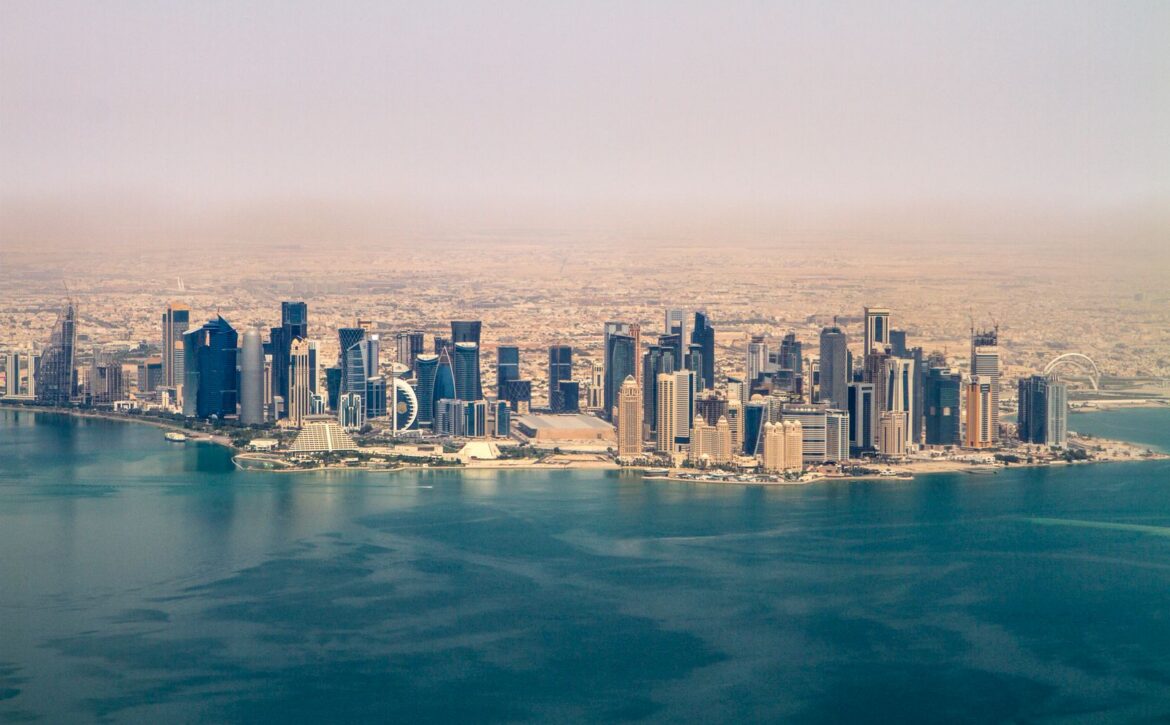
Cover photo: Ramaz Bluashvili / Pexels (Pexels License).

 TR
 EN