
Protocol for Gulf Delegations in Türkiye: A Planning Guide
In brief
- Good protocol for a delegation visit is written, specific and agreed with both offices before arrival.
- Ask the delegation’s office, not the host, what it prefers on titles, seating, food, prayer times, photographs and gifts.
- Plan arrival, the first hour and the daily rhythm in detail; most problems start with transport, timing and unclear roles.
- Build rest, prayer and meal breaks into the programme instead of treating them as interruptions.
- Keep a short backup plan and one named point of contact for the delegation throughout the visit.
Protocol for Gulf delegations in Türkiye (Turkey) comes down to written preparation: agree titles, programme, food, prayer and photograph preferences with the delegation’s own office, plan arrival and daily timings in detail, and name one contact for each side. Whether the visit is to Istanbul, Ankara or Antalya, careful advance work matters more than lavish hospitality.
Protocol for Gulf delegations in Türkiye starts with the purpose and level
Every good delegation visit begins with a clear brief, agreed with the visiting side, on who is coming, why and at what level.
Write down the purpose of the visit in one or two sentences: a negotiation, a site inspection, a signing, a conference, a courtesy call. Then confirm the level of the delegation. Equal levels should receive comparable care, and the level shapes who meets the guests at the airport, who hosts the dinner and who sits where. Ask for the delegation’s own written guidance. In many cases a protocol or office team in the UAE or Qatar will already have a format they prefer, and following it is courteous and efficient.
If you are a company without a protocol team, appoint one person who owns the visit and is reachable by the delegation’s office at any hour. A named contact on each side avoids a great many misunderstandings.
Advance work: what to gather before anyone travels
Advance work means collecting, in writing, everything that lets the host act correctly without asking guests questions on the day. A single briefing card for each delegation member is the simplest tool.
- Names and titles. Correct spelling in Latin letters, how each person prefers to be addressed, and the order of seniority as the delegation itself states it.
- Language. The working language of each meeting, and whether Arabic, English or Turkish interpreting is wanted.
- Dietary needs. Halal requirements, allergies, preferences and anything that is not eaten.
- Prayer and rest. Whether the delegation wants set times, a room at each venue and rest periods after travel.
- Photographs and media. Who may photograph, at which moments, and what may be published.
- Security and privacy. What the delegation expects, who handles it and how information on movements is shared.
- Gifts. Whether gifts are exchanged, who gives them and any institutional limits.
The table shows who normally confirms each point, which keeps the two offices from duplicating work or leaving gaps.
| Point | Ask the delegation’s office | Confirm with the host side or venue |
|---|---|---|
| Titles and seating | Order of seniority and preferred address | Seating plan, name cards, who sits opposite whom |
| Food | Dietary needs and preferences | Written halal confirmation and menus |
| Prayer and rest | Whether set times and rooms are wanted | Room at each venue, prayer times for the city and date |
| Photographs | Which moments are open and which are private | Who photographs, where images are used |
| Transport | Number of guests, luggage, arrival details | Vehicles, drivers, backup and timings |
Keep this information confidential and share it only with the team members who need it. If anything is unclear, ask the delegation’s office and record the answer.
Welcome and arrival: the first hour sets the tone
The welcome should be calm, precise and unhurried, because guests judge the whole visit by the first hour. Plan it in minutes, not in outlines.
Decide who meets the delegation, where and at what time. Confirm flight details the day before and again on the day. Arrange transport that matches the number of guests and their luggage, with a named driver and a backup vehicle, and allow extra time for Istanbul traffic. Entry and visa procedures change, so ask the delegation to confirm the current position with the official source and, where needed, with your local partner. Do not offer advice on them yourself.
At the hotel, avoid a long queue at reception. Have rooms ready, keys prepared and any special requests carried out in advance. Greet the most senior guest first, introduce your team in order of seniority and keep the first conversation short. The guests are tired after travel; a warm greeting, a drink and a clear summary of the next few hours matter more than a speech. Our guide to greetings and introductions etiquette covers handshakes and introductions in more detail.
Building the programme: pace, rest and prayer
A good programme leaves room to breathe, so it should show times, venues, names and transport for each item and include rest, meals and prayer in the plan from the start. A packed schedule that treats these as interruptions is a common cause of friction.
Check the local prayer times for the city and dates of the visit and leave short, flexible breaks around them. Identify a clean, quiet space at each venue, and tell the delegation where it is. Ask the delegation whether it wants a nearby mosque and how it prefers to be informed of times. Some delegates will pray at set times, others will decide on the day, and it is not your place to judge either.
Keep a margin of time between items. Istanbul can take far longer to cross than the distance suggests, and Ankara and Antalya have their own rhythms. If the visit coincides with a religious or public holiday, or with Ramadan, check the official calendar and your local partner before fixing dates, and ask the delegation about its own preferences. Do not rely on a general rule about opening hours or working days.
- Share the draft programme with the delegation’s office and revise it with them.
- Give a printed or digital copy to each guest, with the contact person’s number.
- Brief your own team on who does what at each stop.
- Agree how changes will be announced and who authorises them.
Food and hospitality: halal, tea and alcohol
Hospitality in Türkiye is generous, and the host’s task is to match it to what the guests want. Halal food is widely available in Turkish cities, so the question is rarely whether it can be found, but how clearly each venue has confirmed it.
Ask each restaurant and hotel for confirmation in writing, and agree menus in advance. Tell caterers about allergies and preferences. Tea (çay) is offered as a gesture of welcome in Turkish offices, and a delegation will usually be served tea or coffee on arrival at each meeting. Arabic coffee and dates are welcomed in many Gulf settings, and some hosts add them as a thoughtful touch if the delegation likes them, so ask rather than assume.
Alcohol is commonly served in restaurants and at business dinners in Türkiye. For a delegation dinner, ask the guests’ office what it prefers, and let the hosts decide how the table will be set. A table without alcohol is a normal and respectful choice. Never press anyone to drink and never comment on a guest’s choice. The host who invites usually pays, and it is courteous to settle the bill discreetly away from the table. For more on conduct at meals, see our guide to business dining etiquette.
Gifts, photographs and interpreters
Gifts, photographs and interpreting each need a short agreement before the visit, because all three are easy to get wrong in the moment.
Gifts
Choose modest, well-made gifts that reflect the host city or company, and ask the delegation about its gift policy first. Many institutions limit what members may accept. Decide who gives, who receives and at what moment, and make sure the number and quality of gifts are comparable for guests of the same level. Our article on gift giving etiquette has further guidance.
Photographs and media
Ask the delegation what it wants before any camera appears. Agree who may photograph, which moments are open and which are not, and where images may be used. Plan the group photograph in advance, with the order and position of people confirmed. Never publish images of guests on social media without clear permission from their office.
Interpreters
Book interpreters early, and brief them with the programme, names, titles and technical vocabulary. When speaking through an interpreter, look at the person you are addressing, use short sentences and pause.
Security, logistics and the questions to ask the host
Whoever hosts the delegation should be able to answer a short list of practical questions before the visit begins. If they cannot, ask for the answers in writing.
- Who is our single point of contact on the day, and how can they be reached at any hour?
- Who arranges transport, and what is the backup if a vehicle or flight changes?
- What security or escort arrangements exist, and who is responsible for them?
- Which rooms are set aside for prayer, rest and private conversations at each venue?
- How has food been confirmed as halal, and what will be served at each meal?
- Who decides on photographs and media, and who approves publication?
- What happens if the programme changes at short notice?
Security arrangements are specific to each visit. Confirm them with the official authorities and the delegation’s own office. We do not advise on them here.
After the visit: thank, summarise, follow up
The visit ends well when the host follows up promptly, in writing and in the delegation’s preferred language. Within a day or two, send a short thank-you message and a clear summary of what was discussed and what each side agreed to do, with dates.
Return any items left behind, share approved photographs with the delegation’s office and propose the next contact. Hold a short review with your own team, and note what worked for next time.
Related guides and how we can help
For the wider picture of how business is done in Türkiye, read our pillar guide on doing business in Türkiye. If your guests are weighing a partnership, Turkish business culture for UAE and Qatar investors is a useful companion. For events built around diplomacy, see our guides to the Antalya Diplomacy Forum 2027 and COP31 in Antalya.
We are an Istanbul-based etiquette and protocol consultancy and work in person or online. For a hosting team, we can prepare the briefing card, the welcome scenario and a team session; see corporate consulting for how we work.
We cover each of these points in detail in our corporate consulting and individual consulting programmes, adapted to your country, sector and goals.
Frequently Asked Questions
What is the first step in planning a delegation visit to Türkiye?
Agree the purpose, level and dates with the delegation’s own office, then appoint one named contact on each side. Request a written profile: who is travelling, their titles and correct name spellings, language preferences, dietary and prayer needs, and security expectations. Build the programme from that document, and confirm it in writing before travel.
How do you arrange prayer times for a visiting Gulf delegation?
Ask the delegation what it needs, then plan around it. Check the prayer times for the city and date, leave short breaks in the programme, and identify a quiet, clean room at each venue, as well as the nearest mosque. Do not assume; some delegates will pray at set times and others will prefer to decide on the day.
Is halal food easy to arrange for a delegation in Istanbul or Ankara?
Halal food is widely available in Türkiye, and most restaurants and hotels in the big cities serve it as a matter of course. Still, confirm specifics with each venue in writing, including preparation, ingredients and any separate arrangements. Ask the delegation about allergies and preferences, and agree in advance how alcohol will be handled at joint dinners.
What gifts are appropriate for a UAE or Qatar delegation?
Choose something modest, well made and characteristic of the host city or company, such as quality Turkish sweets, a handmade object or a book. Avoid anything that could embarrass the recipient or breach an institution’s gift rules. Ask the delegation’s office about its policy first, and present gifts at an agreed moment, with any necessary protocol.
Should we hire an interpreter for a Gulf delegation visit to Türkiye?
It is wise to ask early whether an interpreter is needed, since the answer depends on the delegation and on the meetings. English works for many business discussions, but formal sessions, site visits and official events may call for Arabic or Turkish interpreting. Brief the interpreter beforehand with names, titles and technical terms.
Are photographs allowed during delegation visits?
It depends on the delegation, the venue and the occasion, so ask in advance. Some delegations welcome photographs, others want none, and some limit them to named people. Agree who may photograph, which moments and where images will be used. Never post pictures of guests without their prior approval.
Hosting a delegation in Türkiye? We can help you plan the welcome, the programme and the briefing for your hosting team through our corporate consulting work, in person in Istanbul or online. Contact us with your dates and programme.
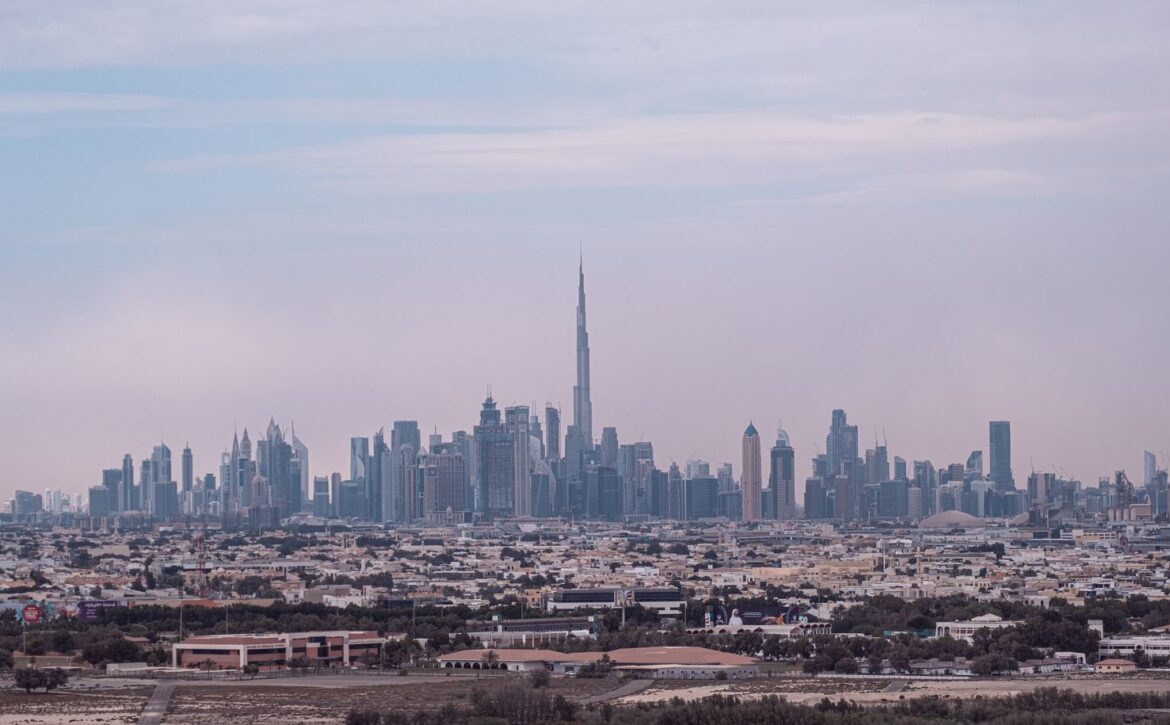
Cover photo: Mo Eid / Pexels (Pexels License).

 TR
 EN