
Hosting British Delegations in Türkiye: A Practical Guide
In brief
- Send a written programme with times, venues, dress and names well before arrival, and confirm it again on the day before.
- Turkish warmth and British reserve can meet halfway: offer generously, but do not press, and let guests say no without fuss.
- Ask about dietary needs and drinks preferences in advance, and keep the schedule realistic, with breaks.
- Agree what is said and decided in writing; understatement on one side and indirectness on the other can hide the real position.
- Ask before photographing guests and before posting images, and keep gifts modest and thoughtful.
Hosting British delegations in Türkiye (Turkey) goes well when the programme is clear, in writing and realistic, the welcome is warm but unhurried, and guests can say no to an offer without any awkwardness. British visitors tend to value punctuality, courtesy and plain information, and they are usually delighted by Turkish hospitality when it is paced with care.
Hosting British delegations in Türkiye: what guests tend to expect
Most British delegates arrive hoping for two things at once: a warm welcome and a visit that runs to a plan. Turkish hospitality supplies the first naturally. The second needs some deliberate work from the host.
The general picture below describes tendencies only. A delegation of civil servants, a group of university leaders and a team of retail buyers will each bring a different style, and individuals vary within every group.
- British guests often like to know the shape of the day before it begins: start, finish, who they will meet and what is expected of them.
- Many are reserved at first. Reserve is not coldness, and it usually relaxes over a shared meal or a good conversation.
- They often prefer to decline an offer once, politely, and may be surprised if the offer is repeated several times.
If you want the wider background on how a British visitor tends to see Turkish business life, our guide to doing business in Türkiye for British professionals sets it out.
Before arrival: the written programme
A clear written programme is the single most useful thing a host can send a British delegation. It reduces anxiety, lets guests brief their own people and gives both sides something to confirm against.
Include these items in the programme, and send it in a format that is easy to read on a phone:
- Dates, times and addresses for every session, with a map link or landmark for each venue.
- The name, role and mobile number of one contact person who will stay with the group.
- The names and job titles of the people they will meet, so that guests can prepare how to address them.
- Dress guidance for each event, such as business attire for the morning and smart casual for a site visit.
- Meal times, with a question about dietary needs, allergies and any drinks preferences.
- Travel times between venues, with a realistic allowance for traffic in Istanbul or Ankara.
- Free time, even if short, so that the group can rest and answer messages.
Treat the programme as a plan with a little slack, not a promise to the minute. If something changes, tell the group at once and say why.
The welcome: airport, hotel and the first hour
A good welcome gives guests ease first and information second. After a flight, most people want a friendly face, a comfortable transfer and a chance to settle.
Greet the most senior person first if you can identify them, with a handshake and a warm Hoş geldiniz (welcome). Introduce your own team briefly by name and role, explain how to reach you and say when you will next meet. Leave the speeches for a later moment.
At the hotel, a short welcome note and a printed copy of the programme are small touches that guests tend to appreciate. Do not schedule a formal dinner on the night of arrival unless the group has asked for one. A light, informal meal and an early night are often welcomed.
In the first meeting, expect a polite exchange about the journey. This is the moment for a few friendly questions about their first impressions, not for commercial detail. Our guide to greetings and introductions etiquette covers the general rules for presenting people to one another.
Tea, coffee and refreshments
Tea is part of the welcome in Türkiye, and it is also a familiar comfort for British guests, so offer it early and without fuss. Serve it as you normally would, in the small glass, with sugar on the side, and ask whether anyone would like coffee, water or something else.
Many British visitors take tea with milk at home and may ask for it. A small jug of milk, or the courage to ask your caterer, will be noticed with gratitude, even though Turkish tea is usually served black. Herbal infusions and water are sensible additions.
Keep refreshments available through long sessions, but avoid pressing. If a guest says no, thank them and move on. A British guest who declines twice and is offered a third time may feel cornered, while a Turkish host who is refused politely may worry that the guest is unhappy. Both worries can be avoided by saying, warmly and once: “Please help yourself whenever you like.”
Directness and indirectness across the table
British and Turkish speakers are often both indirect, but in different ways, and this is where a visit can quietly go wrong. Each side may soften a negative message so well that the other side does not hear it.
A British guest may say “that is an interesting idea” or “we may need to look at that further” and mean that there are serious doubts. A Turkish host may say bakarız (“we shall see”) or inşallah (“God willing”) and intend goodwill without a firm commitment. Neither is being evasive. Each is being courteous in the style they know.
Some practical habits help hosts and organisers alike:
- Close each topic with a short spoken summary: “So we agree to share the draft by Friday, and you will reply the following week. Is that right?”
- Ask open, friendly questions when the answer matters: “What would make this easier for your team?”
- Send a written note within a day listing decisions, owners and dates.
- Avoid correcting or contradicting a guest in front of colleagues. Raise problems privately.
We explore this difference in more depth in British and Turkish communication styles.
Meals during the programme
Meals are an important part of the visit, and a British delegation usually appreciates variety, pace and choice. A programme made entirely of long, formal lunches can tire guests who are used to a sandwich at the desk.
Alternate formal meals with lighter ones. Ask about dietary requirements and religious or personal preferences in advance. Alcohol is served at many restaurants and business dinners in Türkiye, but not everyone drinks, on either side, so ask quietly and never press anyone. Offer good non-alcoholic choices as a matter of course, so that nobody has to explain a decision.
Shared starters (meze) are a pleasure for most visitors, but a guest may not know when to stop. Tell the group what is coming: “There will be a main course after the starters, so please leave some room.” A British group may also expect a dinner to end earlier than planned, so agree an approximate close beforehand. Our guide to business meals and hospitality in Türkiye looks at the dining table in detail, including who pays.
Gifts and thanks
Gifts are a courtesy, not a requirement, and for a delegation a modest group gift is often the right scale. Choose something with local character and good presentation, such as quality sweets, a book about the city or a small craft item. Leave out anything lavish. Some British organisations, particularly in the public sector, have strict rules on what staff may accept, so a lavish gift can create difficulty for the very people you wish to please.
Present the gift near the end of a meeting or at the farewell, and say a word about why you chose it. If you receive a gift, thank the giver warmly and, where it feels natural, say that you will share it with your team. Our article on gift giving etiquette gives general principles, and our guide to Turkish hospitality and gifts covers the Turkish side in more detail.
Photographs and social media
Ask before taking and sharing photographs. Many British visitors are glad to be photographed at an official moment, but some prefer not to appear on social media, and their employers may have policies of their own.
Agree early who will take the official photographs, what will be shared and where. If a guest asks not to be posted, accept it graciously and without comment, and do not tag people without asking. Sharing a selection of photographs with guests afterwards, with a thank-you, is a good courtesy.
Host’s checklist: from invitation to follow-up
| Moment | Common Turkish host tendency | What often helps a British guest |
|---|---|---|
| Before arrival | Details settled by phone and message nearer the date | A written draft programme early, and a confirmed copy a few days before |
| Welcome | Warm, personal, sometimes with a crowd | A named contact, a calm transfer and a light first hour |
| Refreshments | Offered generously and repeated | Offered once, clearly, with easy options to decline |
| Schedule | Flexible, with room for conversation | Realistic times, short breaks and prompt notice of changes |
| Disagreement | Softened to avoid embarrassment | A friendly follow-up question and a written summary |
| Meals | Long, shared and generous | A heads-up on courses and finishing times |
| Gifts | Thoughtful and sometimes generous | Modest, tasteful and easy to accept |
| Photographs | Taken freely and shared with pride | Asked for first, and shared only as agreed |
For UK organisers: preparing your delegation
If you are the one sending a delegation, a short briefing before departure will prevent most misunderstandings. Cover these points with your group:
- Explain that tea, conversation and hospitality are part of the work, and that arriving with that expectation is more useful than arriving with a rigid timetable.
- Agree how your team will address hosts, usually first name plus Bey or Hanım, and who will lead the introductions.
- Ask who will speak, who will take notes and who will send the written follow-up.
- Decide in advance what your organisation can and cannot accept in the way of gifts and entertainment.
For anything with legal, financial or entry requirements attached, such as travel documents, contracts or customs, confirm the current position with the official source or a qualified adviser. We do not give legal advice.
Preparing hosts and delegations together
A host who understands British habits and a delegation that understands Turkish ones need very little more than goodwill. Our protocol and etiquette training for UK companies and our business etiquette service help both sides prepare for a visit. We work from Istanbul, in person or online, and tailor each session to the people and the occasion.
We cover each of these points in detail in our corporate consulting and individual consulting programmes, adapted to your country, sector and goals.
Frequently Asked Questions
How should you welcome a British delegation in Türkiye?
Meet the group at arrival with a named contact, a clear transfer plan and a short written programme. Greet the most senior visitor first with a handshake and a warm Hoş geldiniz. Keep the first hour light: refreshments, a brief introduction of who is who, and time to settle. Avoid a crowded welcome that leaves guests feeling on display.
Do British visitors expect tea during meetings in Türkiye?
Many do, and most will be pleased to be offered it, because tea is an everyday part of Turkish welcome and also a familiar British comfort. Offer tea, coffee and water, and ask quietly about milk, sugar or herbal alternatives. Do not insist if someone declines. A polite no, accepted with a smile, is understood by both sides.
How far in advance should a programme be sent to a UK delegation?
Send a draft programme as early as practical, ideally at the time the visit is agreed, and a confirmed version a few days before arrival. Include times, addresses, contact numbers, dress guidance and the names and roles of the people they will meet. Reconfirm by message the day before, because schedules in Istanbul can shift with traffic.
How can hosts tell if a British guest means yes or no?
Listen for the whole message, not only the opening words. British speakers often soften disagreement with phrases such as it might be difficult or we will need to think about that, and these can mean no. If a point matters, ask a clear, friendly follow-up question and write down what was agreed. Do the same when you are the one speaking indirectly.
Is it acceptable to take photographs of British guests during a visit?
Ask first. Many visitors are happy to be photographed at an official moment, but some prefer not to appear on social media, and organisations may have their own rules. Agree in advance who takes official photographs, where they will be shared and whether guests wish to approve them. A short, courteous question avoids awkwardness later.
What gift is suitable for a visiting British delegation?
A modest, thoughtful and well-presented gift is usually enough: quality Turkish sweets, a book on the city, a small craft item or a tasteful item from your own region. Avoid anything extravagant or heavily branded. Some organisations limit what staff may accept, so a small token for the group is often easier than individual gifts.
Welcoming a delegation or sending one to Türkiye? We prepare hosts and visiting teams in our business etiquette sessions, in person in Istanbul or online. Contact us for a tailored quote.
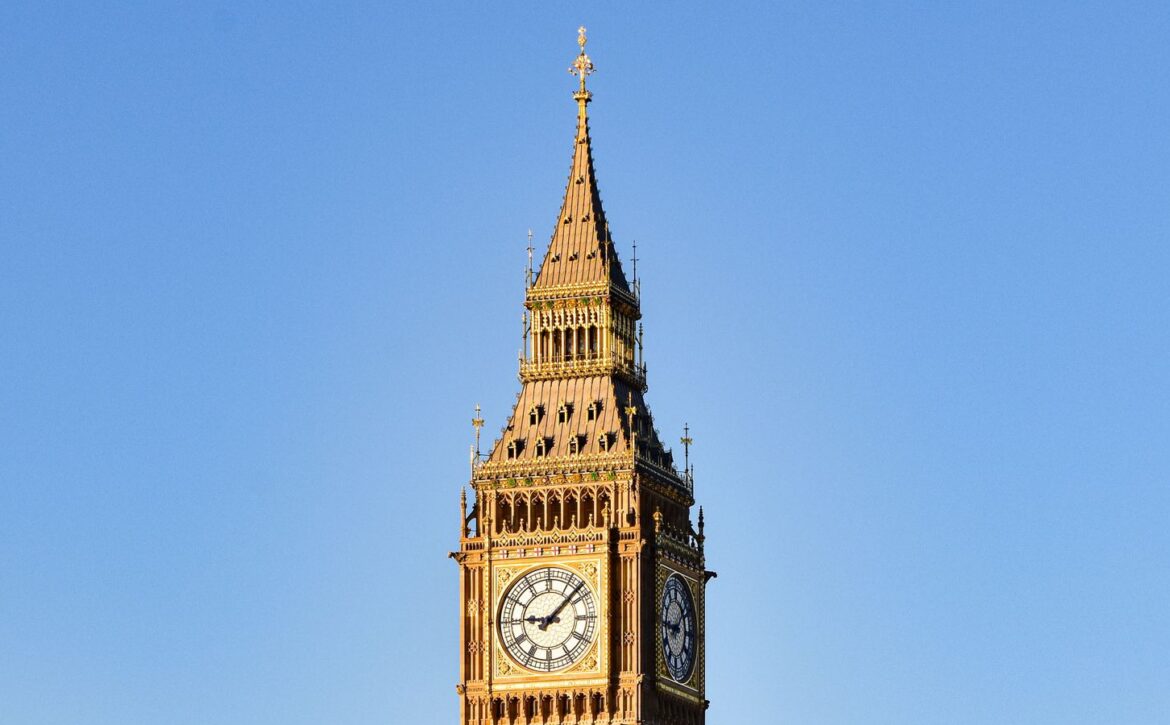
Cover photo: AXP Photography / Pexels (Pexels License). Cropped.

 TR
 EN