
Turkish Greetings and Forms of Address for British Visitors
In brief
- A handshake with eye contact and a warm Merhaba is a safe greeting in almost every Turkish business situation.
- Cheek kisses are a tendency between people who already know each other, so let your host take the lead.
- Use first name plus Bey for a man or Hanım for a woman, for example Mehmet Bey or Zeynep Hanım, until invited to do otherwise.
- Professional titles such as Doktor, Profesör and Mühendis are commonly used in speech and are worth noticing and repeating.
- A few Turkish phrases, even imperfectly pronounced, are received warmly. For senior officials, ask their office how to address them.
Turkish greetings and forms of address are warm and fairly simple. Shake hands with eye contact, say Merhaba, and use first name plus Bey for a man or Hanım for a woman, such as Mehmet Bey or Zeynep Hanım. Use professional titles where people do, and let your Turkish host decide about cheek kisses and first names.
Turkish greetings and forms of address: the essentials
Four habits cover most business situations for a British visitor in Türkiye (Turkey). They are the same whether you are meeting a supplier in Istanbul or a department head in Ankara.
- Greet with a handshake, a smile and eye contact, beginning with the most senior person where you can tell who that is.
- Say Merhaba (hello) or the greeting for the time of day, and add a short polite phrase.
- Use first name plus Bey or Hanım until invited to use the first name alone.
- Notice the titles people use for each other and repeat them.
Practice varies. A young technology firm in Istanbul may be more informal than a family-owned manufacturer or a public body. Treat this guide as a sensible default, and follow your counterpart. For a wider picture of the Turkish business setting, read our guide to doing business in Türkiye for British professionals.
Handshakes and eye contact
The handshake is the standard business greeting in Türkiye, and it is usually brief, warm and accompanied by direct eye contact. It is slightly more expressive than many British handshakes, and a host may place a second hand over the first. Both are signs of friendliness.
A few points help:
- Stand to greet people, if you are seated and the circumstances allow.
- Greet each person in the room, not only the person you came to see, and start with the most senior or the oldest.
- Shake hands again when you leave. A farewell handshake is customary in many offices.
Some people, for reasons of faith or personal preference, do not shake hands with the opposite sex. If you are unsure, wait a moment to see whether a hand is offered. A nod with the right hand placed briefly on the chest is a respectful alternative that is understood by almost everyone. Our article on greetings and introductions etiquette covers the general principles that apply in any country.
Cheek kisses between acquaintances
Kisses on the cheek are a Turkish tendency between people who already know each other, and they are not expected at a first business meeting. You will often see friends, relatives and long-standing colleagues exchange a light kiss, or a touch of cheeks, on both sides.
As a British visitor you need not initiate one. Let your host take the lead. If a counterpart leans in, lean in lightly, turn your head slightly and follow what they do. If you prefer not to, a warm handshake and a smile are always sufficient. Do not make a point of avoiding it, since most people will not take offence. If you are meeting someone for the second or third time and the relationship is friendly, you may find that the greeting shifts naturally.
Younger colleagues, especially those with international experience, may combine a handshake and a hug. Others stay strictly with a handshake. Neither choice is a statement about you.
First names with Bey and Hanım
The usual polite way to address a Turkish colleague is the first name followed by Bey for a man or Hanım for a woman. It is warm, it is correct, and it is used at all levels. Surnames are used less in speech than a British reader might expect.
The pronunciation is straightforward. Bey sounds like the English word “bay”. Hanım sounds like HAH-nuhm, where the dotless ı is a short, relaxed vowel, a little like the last sound in “sofa”.
Some rules of thumb:
- Introduce yourself with your own name and title, but do not add Bey or Hanım to it. Those words are used for others, not for yourself.
- Use the form with the first name even for senior people, unless they have a title that is used instead.
- Do not switch to plain first names until your counterpart does, or suggests it.
- If a colleague insists you call them by first name, accept warmly. This is common in international companies.
In writing, “Dear Mehmet Bey” and “Dear Zeynep Hanım” are natural in emails to Turkish contacts. If you are unsure of the person’s gender or form, check their email signature or ask a colleague.
Titles in use: Doktor, Profesör, Mühendis and others
Professional titles are commonly used in Turkish speech, and the title often stands in for the name or accompanies it. Using them shows that you have noticed and respect the person’s position. Use is not completely uniform, so take your cue from how colleagues speak.
| Title | Typically used for | How it is often used |
|---|---|---|
| Doktor | Physicians, and in many settings people with a doctorate | Doktor Bey, Doktor Hanım, or the first name with Doktor |
| Profesör | University professors | Profesör or Hocam (“my teacher”) in speech; the full title in writing |
| Mühendis | Engineers | Mühendis Bey or Mühendis Hanım, especially in engineering and construction |
| Avukat | Lawyers | Avukat Bey or Avukat Hanım |
| Müdür | Managers and directors | Müdür Bey or Müdürüm (“my manager”) by staff |
| Hocam | Teachers and academics, and warmly for a respected mentor | Used on its own as a form of address |
In English-language meetings, “Dr” and a surname is usually fine, and it is polite to ask how someone would like to be addressed. If you are given a business card, copy the title as printed. You do not need to learn every title in advance, because a quick glance at your programme or attendee list will tell you most of what you need.
For ministers, ambassadors, members of royal families and other senior officials, do not guess at the correct form. Ask their office or the protocol department beforehand and use what you are told.
Formal and informal: siz and sen
Turkish has a formal “you” (siz) and an informal one (sen), a distinction that British English no longer has. If you speak some Turkish, use siz with anyone you do not know well, with older people and with seniors, and wait to be invited to use sen.
In English you need no such choice, but you can reflect the formality through your tone and through Bey and Hanım. A visitor who mixes the two, using plain first names with a very senior person on a first meeting, may come across as casual. The kind of informality British colleagues find friendly can seem abrupt in a Turkish setting, so begin formally and relax at the pace your host sets.
Simple Turkish phrases with pronunciation hints
A handful of phrases, said with a smile, create a good impression, and nobody expects perfection. The pronunciations below are approximations for English speakers.
| Turkish | Say it like | Meaning and use |
|---|---|---|
| Merhaba | mehr-HAH-bah | Hello, at any time of day |
| Günaydın | GUEN-eye-duhn | Good morning |
| İyi akşamlar | ee-YEE ahk-shahm-LAHR | Good evening |
| Hoş geldiniz | hosh GEHL-dee-neez | Welcome; said by a host to a guest |
| Hoş bulduk | hosh bool-DOOK | The guest’s reply to Hoş geldiniz |
| Memnun oldum | mehm-NOON ol-DOOM | Pleased to meet you |
| Nasılsınız? | nah-suhl-suh-NUHZ | How are you? (formal) |
| İyiyim, teşekkürler | ee-yee-YEEM teh-shek-kuer-LEHR | I am well, thank you |
| Lütfen | LUET-fen | Please |
| Teşekkür ederim | teh-shek-KEUR eh-deh-reem | Thank you |
| Görüşürüz | geu-reu-shue-RUEZ | See you; goodbye |
A few spelling pointers help with reading Turkish aloud. The letter c sounds like the English “j”, ç like “ch”, ş like “sh”, and ğ is silent, lengthening the vowel before it. The letter ü and ö sound like their German counterparts, which is why the hints above use “ue” and “eu” in the hints above.
We include a longer list of phrases in our Turkish business etiquette guide.
Common mistakes to avoid
Most errors with Turkish greetings are small and forgiven quickly, but a few are worth avoiding.
- Moving to first names alone with a senior person at a first meeting.
- Greeting only the person you came to see and ignoring others in the room.
- Adding Bey or Hanım to your own name when introducing yourself.
- Offering a cheek kiss, or declining a handshake, without noticing what your host is doing.
- Using a title that a person does not hold, or leaving out a title that they use. If in doubt, ask.
- Rushing the greeting. A few moments of “How was your journey?” are part of the welcome.
British and Turkish greeting habits at a glance
The table sets out common tendencies, and individuals in both countries vary.
| Situation | Common British tendency | Common Turkish tendency |
|---|---|---|
| First meeting | Brief handshake, first name | Warm handshake, first name with Bey or Hanım |
| Greeting a group | A general hello may do | Greeting each person, often starting with the most senior |
| Between acquaintances | Handshake, a nod or a wave | Handshake, and often a cheek kiss between friends and colleagues |
| Titles | Used less in everyday work | Often used and noticed |
| Leaving | A quick goodbye | A handshake and a few warm words |
Next steps
Greetings are the first step of a longer relationship. For what comes next, read about Turkish hospitality and gifts, and about negotiating with Turkish partners. If your team would like to practise introductions, our business etiquette sessions are delivered from Istanbul, in person or online.
We cover each of these points in detail in our corporate consulting and individual consulting programmes, adapted to your country, sector and goals.
Frequently Asked Questions
How do you greet someone in Türkiye?
In business, shake hands, make eye contact and say Merhaba (hello) or the time-of-day greeting. Greet the most senior person first where you can tell. Among people who know each other, cheek kisses are common, but a visitor need not offer one. If a hand is not offered, a nod with a hand briefly on the chest is courteous.
What does Bey mean in Turkish?
Bey is a polite word placed after a man’s first name: Mehmet Bey. It is a little like Mr, but it is used with the given name, not the surname, and it sounds friendly as well as respectful. The female equivalent is Hanım, as in Zeynep Hanım. Both are the safe default at work until your counterpart invites first names alone.
Do Turkish people kiss on the cheek when they meet?
Many do, but mainly with family, friends and people they know well, and usually on both cheeks. At a first business meeting a handshake is the norm. Some people also prefer not to touch the opposite sex. Let your host decide, and if a kiss is offered, simply lean in lightly and follow their lead.
Should I use Doktor or Mr when addressing a Turkish doctor?
Doktor is widely used for physicians and often for people with a doctorate in many settings, with or without Bey or Hanım, so Doktor Bey or Doktor Hanım is common. In English, Dr and the surname is acceptable. Notice how colleagues introduce the person and copy it. If you are unsure, ask politely or follow the business card.
How do you say hello and thank you in Turkish?
Hello is Merhaba, pronounced mehr-HAH-bah. Thank you is Teşekkür ederim, roughly teh-shek-KEUR eh-deh-reem, or the shorter Teşekkürler. Good morning is Günaydın. Saying any of these, even with an imperfect accent, shows respect, and hosts usually respond with delight and encouragement.
What should I do if I do not know how to address a senior person?
Ask before the meeting. A colleague, an assistant or the person’s office will be glad to tell you how they prefer to be addressed. For government officials, diplomats and other senior figures, do not guess. Use the title that appears on the invitation or programme, and say Merhaba or the greeting your host uses.
Want to feel at ease from the first handshake? We practise greetings, introductions and forms of address in our Turkish Business Culture sessions, in person in Istanbul or online. Contact us for a tailored quote.
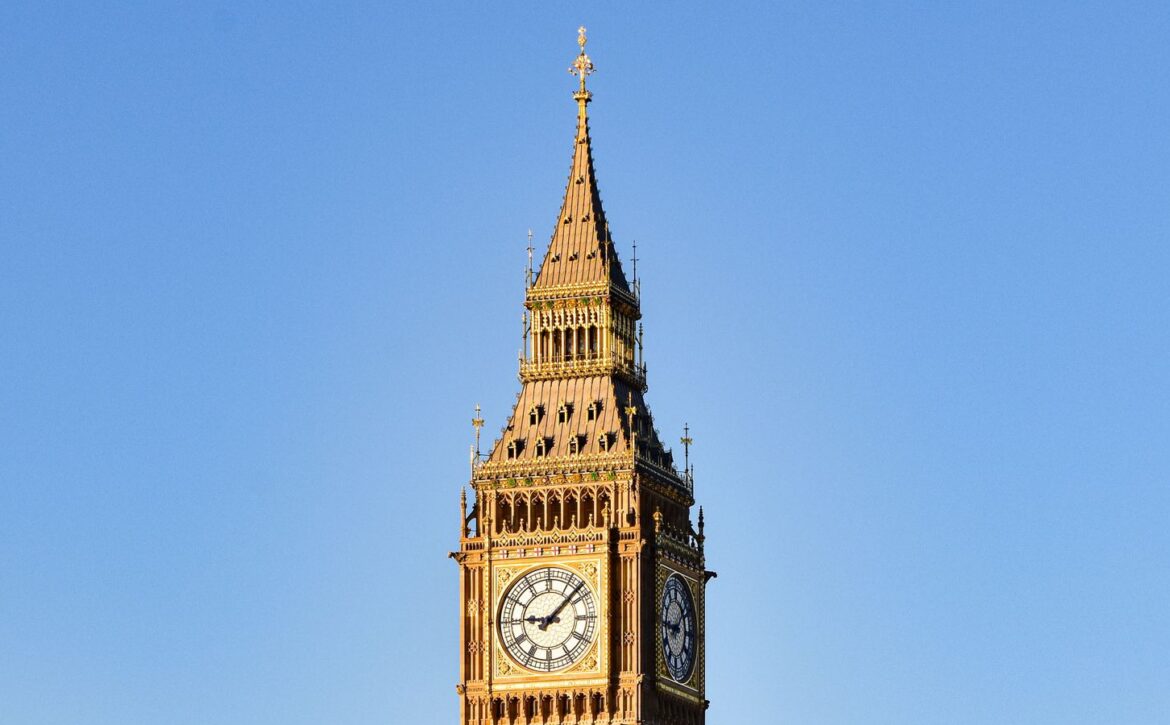
Cover photo: AXP Photography / Pexels (Pexels License). Cropped.

 TR
 EN