
Doing Business in Türkiye as a British Professional: Guide
In brief
- Business in Türkiye is relationship-led: trust is usually built through personal contact before terms are settled.
- Address people by first name plus Bey or Hanım, and expect titles and seniority to matter.
- Treat tea and conversation as part of the meeting, and confirm timings and decisions in writing.
- Warmth and indirectness often go together, so listen for what is implied as well as what is said.
- These are tendencies, not rules: a Turkish technology firm and a family manufacturer can feel very different, just as a London bank differs from a Manchester start-up.
Doing business in Türkiye as a British professional (Turkey) rests on relationships first and transactions second. Expect a warm, hospitable and often flexible style: tea on arrival, meetings that may overrun, and trust that grows through repeated contact. Confirm timings and decisions in writing, and treat hospitality as part of the work.
Doing business in Türkiye as a British professional starts with the relationship
Most Turkish business people prefer to work with those they know and trust, so the relationship comes before the contract. This does not mean that commercial discipline is absent. It means that the order of events is often different from a typical UK sequence of introduction, proposal and negotiation.
In practice, a first meeting may be about you as much as your product. Expect questions about your journey, your company’s history and your impressions of Istanbul. Your counterpart is forming a view on whether you are reliable, and you are doing the same. Introductions through a mutual contact carry real weight, and a visit in person usually counts for more than several emails.
Türkiye is not uniform. Multinationals and technology firms in Istanbul often work in a style a London manager would recognise. Family-owned companies, which include very substantial manufacturers and exporters, are often more personal and more hierarchical. Read what follows as sensible defaults and adjust to the people you meet. Our broader guide to Turkish business etiquette covers more of the detail.
Hierarchy, titles and forms of address
Seniority matters in many Turkish organisations, and it is shown through titles, seating and who speaks first. The most senior person often has the last word, and may not attend every meeting.
The usual polite form of address is the first name followed by Bey for a man or Hanım for a woman: Mehmet Bey, Zeynep Hanım. It is not the same as Mr or Ms with a surname. It is warmer, and it is used at every level, even between colleagues of many years. Professional titles are also used in speech, so a doctor may be addressed as Doktor Bey or Doktor Hanım.
A few practical habits help:
- Greet the most senior person first when you can tell who that is.
- Direct your opening remarks to that person, even if a junior colleague is the better English speaker.
- Find out early who has authority to decide, and who simply advises.
- Wait for your counterpart to move to first names alone.
If your British team is relaxed about titles at home, remember that informality can read as a lack of respect here. Our guide to greetings and introductions etiquette sets out the general rules for introductions.
Greetings, tea and hospitality
Hospitality is the language of welcome in Türkiye, and tea (çay) is its most familiar form. You will usually be offered tea within minutes of arriving at an office, served black in a small glass. You may also be offered Turkish coffee.
Accepting is the easy and gracious choice. If you would rather not, ask for water or decline with a smile and a thank-you. What matters is acknowledging the gesture. Opening your laptop and starting your presentation before the tea arrives can seem abrupt.
A handshake with eye contact is the standard greeting. Some people prefer not to shake hands with the opposite sex, so let your counterpart lead if you are unsure. A nod with a hand briefly placed on the chest is a courteous alternative. Kisses on the cheek are for people who already know each other well.
Small talk is part of the meeting. Food, travel within Türkiye, football and your family are friendly topics. Domestic politics, religion and sensitive history are best left to your host to raise, if at all.
Meetings and flexible timing
Turkish meetings are often more fluid than British ones, so the sensible approach is to be punctual yourself and allow slack around every appointment. Visitors are expected to arrive on time. Your host may start a little late, take a phone call or be interrupted by a colleague, particularly in owner-managed firms.
To reduce the risk of confusion:
- Fix meetings well in advance and reconfirm a day or two before, in writing.
- Leave a buffer after each meeting, since overruns are common and Istanbul traffic is a real constraint.
- Do not book a tight chain of meetings across the city on the same day.
- Agree who will attend, and whether an interpreter is needed.
An agenda is useful, but treat it as a guide, not a script. Conversations may move between topics and return later. Our article on business meeting etiquette covers the standards that apply in any country.
Directness and indirectness
Turkish business communication is often warm and expressive, and may be less direct than a British reader expects when the message is awkward. The same is sometimes said of British communication, and the two styles can mislead each other in different ways.
A British manager may say “that’s interesting” to mean “I have doubts”. A Turkish counterpart may say bakarız (“we shall see”) or inşallah (“God willing”, used very widely in everyday speech) in a way that expresses goodwill without a firm commitment. If you listen for tone and follow up with a clear question, you will usually find the real position. We look at this in detail in our piece on British and Turkish communication styles.
Criticism needs care. Blunt remarks in front of others can damage a relationship on either side. Raise problems privately, and frame them as something to solve together.
Negotiation and follow-up in writing
Negotiation in Türkiye often takes longer than visitors plan for, and may be spread over several meetings. In many sectors some bargaining on price and terms is expected, so leave room. Hard deadlines and pressure tend to be counter-productive. Patience, consistency and repeat contact are more persuasive.
Written follow-up is the bridge between a warm conversation and a clear plan. After each meeting, send a short and friendly note that:
- Thanks your host for their time and hospitality.
- Summarises what was agreed, in neutral wording.
- Names the next steps, owners and dates.
- Invites correction if anything has been misunderstood.
This is not distrust. It is a courtesy that protects both sides when schedules shift. For anything with legal or financial consequences, such as contracts, tax, customs or investment rules, confirm the current position with the official source or a qualified local adviser. We do not give legal advice.
Dress and gifts
For a first meeting, smart and conservative business dress is the safe choice: a suit or tailored separates in dark or neutral colours. Banking, law and public bodies are often formal, while technology and creative firms may be smart casual. Well-kept shoes and good grooming are noticed.
Gifts are not usually expected at a first meeting. Once a relationship exists, a modest and thoughtful present is appreciated: something characteristic of your region, good confectionery or a book. Choose something that is not extravagant, and remember that some companies have rules about what staff may accept. Our guide to gift giving etiquette has more on choosing well.
What British professionals often notice
Visitors from the UK often mention the same handful of surprises, and knowing them in advance makes the first trip easier.
- The conversation before business is longer than expected, and it is not wasted time.
- Warmth is offered quickly, including questions about family that feel personal in a British setting.
- Agreements may feel provisional until they are confirmed in writing and followed up in person.
- Seniority is more visible, and the decision-maker may not be the person who speaks most.
- Hospitality is generous, and a polite contest over who pays or who is served first is common.
- Understatement can be misread. A British “not quite what we had in mind” may sound like mild approval.
British and Turkish business tendencies at a glance
The table below compares common tendencies. It describes what many people report, not what every individual does, and individuals in both countries vary by sector, region and generation.
| Area | Common British tendency | Common Turkish tendency |
|---|---|---|
| First meeting | Short small talk, then the agenda | Longer personal conversation, then business |
| Names and titles | First names quickly, even with seniors | First name plus Bey or Hanım; titles and seniority noticed |
| Timing | Start and finish close to schedule | Visitors on time; hosts may start later and overrun |
| Hospitality | Tea or coffee offered, often briefly | Tea is almost always offered and is part of the welcome |
| Disagreement | Understated, softened by qualifiers | Often warm and expressive, with care not to embarrass |
| Decisions | Often shared or by committee | Often taken by the senior person |
| Agreements | Email confirmation is routine | Verbal goodwill is strong; written follow-up fixes details |
| Meals | Often short and informal | Often long, shared and generous |
Where to go next
Practical preparation turns understanding into confidence. If a meal is on your itinerary, read our guide to business meals and hospitality in Türkiye. If your team will be working with Turkish colleagues over time, our overview of protocol and etiquette training for UK companies explains how we can help. We work from Istanbul, in person or online, and our Turkish Business Culture service is designed for visitors, expatriates and project teams.
More guides for UK readers: hosting British delegations, British expats in Istanbul, Turkish greetings and forms of address, negotiating with Turkish partners and Turkish hospitality and gifts.
Frequently Asked Questions
Is it difficult for British people to do business in Türkiye?
It is not difficult, but the rhythm can be different from what many British professionals expect. Relationships, hospitality and flexible timing often play a larger part than in a typical UK first meeting. With some preparation, a willingness to spend time on conversation and clear written follow-up, most visitors find Turkish counterparts welcoming and easy to work with.
Do I need to speak Turkish to do business in Türkiye?
No. English is used in many multinational, export and technology companies, and in many meetings with international visitors. In smaller firms, check in advance whether an interpreter would help. A few Turkish words, such as merhaba and teşekkür ederim, are received warmly and show respect, but nobody expects fluency from a visitor.
What is the biggest cultural difference between British and Turkish business style?
Many British professionals notice the pace and purpose of early meetings. A British first meeting often moves quickly to the agenda, while a Turkish first meeting often concentrates on getting to know you and your company. Neither is better. Allow time for conversation, and expect substance to follow once trust is established.
Should I call Turkish colleagues by their first name?
Use the first name followed by Bey for a man or Hanım for a woman, for example Mehmet Bey or Zeynep Hanım. This is polite and warm at once. Many Turkish professionals who work with international partners will invite you to drop it. Follow their lead, and in doubt keep the more respectful form.
How should I follow up after a meeting in Türkiye?
Send a short, courteous email or message the same day or the next, thanking your host and summarising what was discussed, who will do what and any agreed dates. Written confirmation is useful because schedules can be flexible and a friendly verbal agreement may need to be turned into specific next steps.
Do the rules differ between Istanbul and other cities?
Yes, in tendency. Istanbul has many international companies where meetings feel familiar to a British visitor. Family-owned firms in other cities may be more hierarchical and more relationship-driven, and Ankara is often more formal with public bodies. Treat any guide as a starting point and adapt to the people in front of you.
Preparing for a visit, a project or a posting? Our Turkish Business Culture briefings are delivered in English from Istanbul, in person or online, and tailored to your sector. Get in touch to discuss what you need.
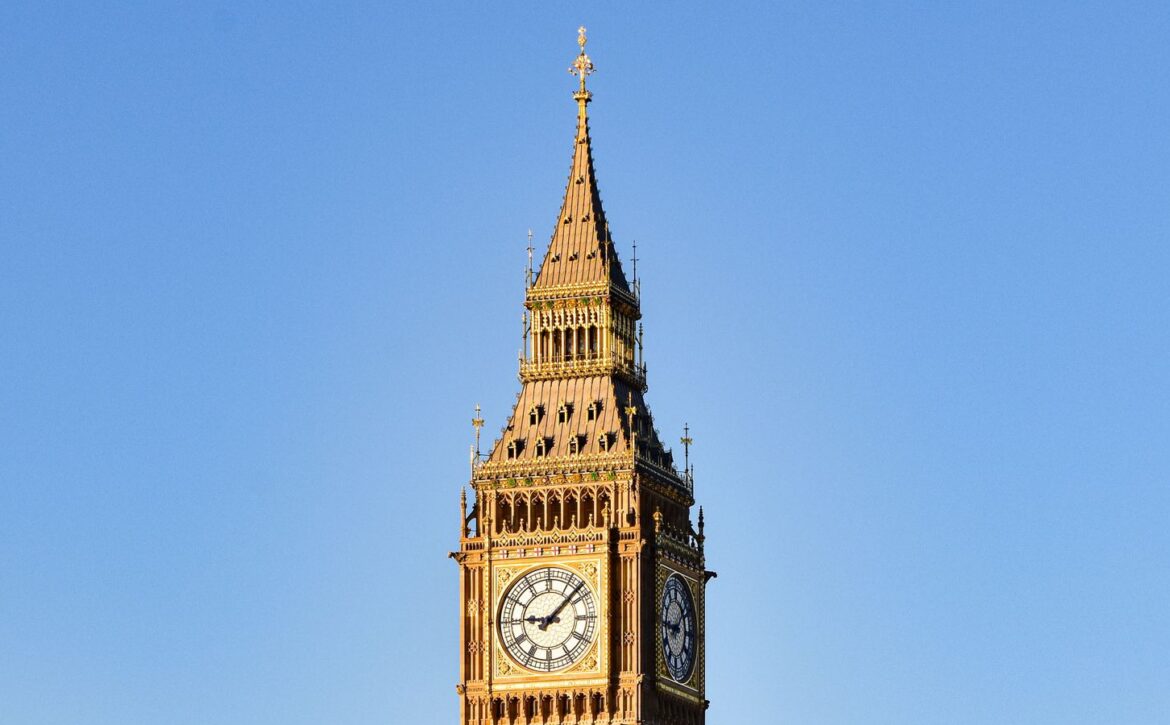
Cover photo: AXP Photography / Pexels (Pexels License). Cropped.

 TR
 EN