
Turkish Business Etiquette for Russian Executives: A Guide
In brief
- Business in Türkiye is relationship-led: tea, conversation and shared meals are part of the work, not a delay to it.
- Address people by first name plus Bey or Hanım until your counterpart suggests otherwise; tell your hosts how to address you.
- Expect warmth and flexibility in timing, and keep your own punctuality formal and reliable.
- Decisions are often taken at the top, so ask early who has authority and keep that person informed.
- Confirm every agreement in a friendly written summary; it keeps both sides aligned without sounding distrustful.
Turkish business etiquette for Russian executives starts with one idea: relationships come first. In Türkiye (Turkey), tea, conversation and shared meals are part of the work. Use first name plus Bey or Hanım, be punctual, respect seniority, allow for flexible timing and confirm every agreement in writing. Styles vary by sector and city, so treat this as a starting point.
Turkish business etiquette for Russian executives: what to expect before you arrive
There is no single Turkish business culture, and the style you meet depends on the sector, the size of the company, the city and the generation of the people involved. This guide is written for executives, company owners and representatives based in Moscow, Saint Petersburg and other Russian cities who work with Turkish partners, travel to Türkiye or are relocating there. It looks only at behaviour, communication and hospitality.
Some broad contrasts are useful when you plan a first visit:
- Istanbul multinationals and large groups often work to agendas, hold meetings in English and use first names quickly.
- Family-owned firms, including large manufacturers and exporters, are usually more relationship-driven and hierarchical. The founder or a family member often has the final word.
- Ankara is the seat of government and tends to be more formal, particularly in dealings with public bodies.
- Tourism and hospitality businesses, especially in Istanbul and on the Mediterranean and Aegean coasts, are used to international guests and often have staff who speak Russian as well as English.
- Technology and creative companies are frequently informal and direct.
Read the rest as sensible defaults, then adjust to the people in front of you.
Relationship first: why the first meeting rarely closes a deal
In Türkiye, trust is usually built through personal contact before commercial detail is discussed. A first meeting is often an introduction to you and your company, with questions about your journey, your city and your family. These are signs of interest, not delays.
Many Russian-speaking professionals will recognise this pattern: ties of trust matter in Russian business too, and a partner who is known and reliable is preferred to an unknown one. The difference is often in how the trust is shown. Turkish counterparts tend to express it through visible warmth, generous hospitality and frequent informal contact, including phone calls and WhatsApp messages between meetings.
Practical ways to build the relationship:
- Allow time at the start of each meeting for conversation before the agenda.
- Visit in person where you can; a visit carries more weight than a series of emails.
- Accept invitations to meals and reciprocate when your host visits you.
Hierarchy, titles and forms of address
Hierarchy is clear in most Turkish companies, and decisions are often taken at the top, so find out early who has authority to decide. Greet and address the most senior person first, and direct your opening remarks to them. Do not assume that the best English speaker in the room is the decision-maker.
Bey and Hanım
The polite form of address is the first name followed by Bey for a man or Hanım for a woman: Mehmet Bey, Zeynep Hanım. It is used at every level, including between colleagues who have worked together for years. Surnames and professional titles are also heard, for example Doktor Bey, but first name plus Bey or Hanım is the safe default until your counterpart suggests something else.
Your name, in Turkish ears
In Russian, a respectful address uses first name and patronymic (otchestvo), and the formal Vy is the norm in early meetings. Turkish has no patronymic, and your hosts may find a full three-part name hard to use. Help them: introduce yourself with the form you would like to hear, write your name in Latin letters on your card and in your email signature, and say it slowly once. If your counterpart settles on your first name plus Bey or Hanım, take it as courtesy, not as a lack of formality.
Turkish also distinguishes the formal siz from the informal sen. If you speak some Turkish, stay with siz until invited to change. Our guide to greetings and introductions etiquette covers the general rules.
Greetings, tea and hospitality
A handshake with eye contact is the standard business greeting, and tea will usually arrive within minutes. It is served black in a small tulip-shaped glass, with sugar on the side. You may also be offered Turkish coffee and asked how sweet you take it.
Accept the tea or decline it warmly with thanks; what matters is acknowledging the hospitality, not finishing the glass. A small number of people prefer not to shake hands with the opposite sex. If a hand is not offered, a nod with your right hand placed briefly on your chest is understood as a respectful greeting. Kisses on the cheek are for people who already know each other.
Many visitors from Russia remark on the warmth of the welcome. One point is worth knowing: a composed, reserved manner, which signals seriousness and respect in a first formal meeting in many countries, can be read in Türkiye as coolness. A smile, a few personal questions and visible interest in your host’s city go a long way, without any loss of professionalism.
Good topics for small talk include food, travel within Türkiye, history, football and family. Religion, history and other sensitive subjects are best left to your host to raise, and even then listening serves you better than offering opinions.
Meetings and the pace of negotiation
Arrive on time, but expect some flexibility in return. Punctuality from a visitor is taken as a mark of seriousness, while Turkish meetings may start a little late, overrun or be interrupted by a call or a colleague with a question, particularly in owner-managed firms. Leave room between appointments.
Arrange meetings well in advance and reconfirm a day or two before. A fuller look at how meetings run is in our guide to Turkish business meetings for Russian professionals.
Negotiation often takes longer than visitors plan for and may run over several meetings. In many sectors some bargaining on terms is expected, so leave yourself room. Hard deadlines and pressure tactics tend to be counter-productive. Patience, consistency and repeated personal contact are more persuasive.
Communication is generally warm and somewhat indirect, especially when the news is negative. An outright refusal may be softened to spare both sides embarrassment. Phrases such as bakarız (“we shall see”) and inşallah (“God willing”, used in everyday speech by people of all outlooks) express goodwill and are not always firm commitments. Ask a clear, friendly follow-up question when you need a firm answer.
Written follow-up and decision making
A short written summary after each meeting is the most useful habit you can adopt. Send it the same day or the next morning, in a friendly tone: thank your hosts for their time, list what was agreed, who will do what and by when, and propose the next step. This is normal practice and is not read as distrust.
Because decisions often rest with a senior person who may not attend every meeting, make sure your summary can be forwarded as it stands. Keep it short and use names consistently.
Business meals, gifts and dress
Meals are central to Turkish hospitality, and an invitation to lunch or dinner is a sign that the relationship is moving forward. The person who invites usually pays, and a polite contest over the bill is common. Thank your host, do not argue at length, and return the invitation another time.
Your host may order a spread of shared starters (meze) and encourage you to eat more. Alcohol is served in many restaurants and at many business dinners, while many people do not drink at all. Your host will normally ask about your preference. Say what you prefer, do not press anyone, and do not feel obliged to match what others order. Dinners may last for hours. Short toasts such as şerefe (“cheers”) are common, and a warm word of thanks to the host will always be welcome. For the finer points of hosting guests from Russia, see our guide to hosting Russian delegations in Türkiye.
Gifts are not expected at a first meeting. Later, a modest and thoughtful present is appreciated: quality confectionery, a book or something characteristic of your city or company. Avoid anything extravagant; larger companies often have rules on what staff may accept.
Dress conservatively for a first meeting: a dark suit or tailored separates, with well-kept shoes. Finance, law and the public sector are formal, while technology and creative firms are often smart casual.
What Russia-based professionals often notice in Türkiye
Several observations come up repeatedly among visitors from Russia. They are tendencies, not rules, and individual experience varies.
| What visitors often notice | How to respond |
|---|---|
| A very warm welcome and personal questions at the start | Answer with interest and ask questions in return; save the agenda for after the tea |
| Flexible start times and interruptions | Stay calm, keep your own punctuality, and have a short version of your points ready |
| Generous hospitality, sometimes insisting on more food | Refuse gently two or three times; leaving a little on the plate signals you have had enough |
| Soft, indirect answers to difficult questions | Ask clear, friendly follow-up questions and confirm in writing |
| First names with Bey or Hanım instead of name and patronymic | Welcome it as courtesy and tell hosts how you prefer to be addressed |
| Decisions made by a senior person outside the meeting | Ask early who decides and keep that person informed |
Quick reference: do and avoid
| Do | Avoid |
|---|---|
| Use first name plus Bey or Hanım | Switching to first names alone before your counterpart does |
| Accept tea, or decline with warmth | Opening the presentation before any conversation |
| Arrive on time and allow for delays on the other side | Showing irritation when a meeting starts late |
| Send a friendly written summary after every meeting | Treating “we shall see” as a signed commitment |
| Let your host invite, and return the invitation | Insisting on splitting the bill |
| Raise problems privately and constructively | Criticising anyone in front of colleagues |
Preparing for your own situation
General guidance takes you most of the way. The rest depends on your sector, the company and the individuals involved. If you want the wider picture, our Turkish business etiquette guide covers greetings, meals, gifts and useful phrases in more depth. For tailored preparation, our Turkish Business Culture service briefs executives, relocating professionals and project teams, and our etiquette and protocol training for Russian companies explains how that preparation can be organised, in person in Istanbul or online.
We cover each of these points in detail in our corporate consulting and individual consulting programmes, adapted to your country, sector and goals.
Frequently Asked Questions
What should Russian executives know about Turkish business etiquette?
Business in Türkiye is built on personal relationships, so expect tea, conversation and a warm welcome before any agenda. Use first name plus Bey or Hanım, be punctual yourself, show respect for seniority and confirm agreements in writing afterwards. Styles differ by sector, city and company, so treat all of this as a starting point.
How do you address Turkish business partners if you are used to name and patronymic?
Turkish has no patronymic, so the usual form is the first name followed by Bey for a man or Hanım for a woman, for example Mehmet Bey or Zeynep Hanım. Surnames and professional titles are also heard in formal settings. When in doubt, listen to how your counterpart’s colleagues address them and follow that.
Are Turkish business meetings more relaxed than meetings in Moscow?
Many professionals find the atmosphere warmer and the timing more flexible in Türkiye. Meetings often open with tea and conversation, may start a little late and can be interrupted. This does not mean the discussion is less serious. Keep your own schedule realistic, and confirm timings in writing a day or two before.
Is it appropriate to bring a gift to a first meeting in Türkiye?
Gifts are not expected at a first meeting. Once a relationship has begun, a modest and thoughtful present is welcome, such as quality confectionery, a book or something characteristic of your city or company. Avoid anything extravagant, and remember that some large companies have internal rules limiting what staff may accept.
Will my Turkish counterparts speak English or Russian?
It depends on the company. English is common in larger firms, finance, technology, tourism and export businesses in the big cities. In the tourism and hospitality sectors, particularly on the Mediterranean and in Istanbul, Russian-speaking staff are often available. For important negotiations, agree in advance on the language and consider bringing an interpreter.
How long does it take to build a business relationship in Türkiye?
There is no fixed timetable, but most people prefer to know their partner before discussing detail, so allow several contacts. A personal visit, a shared meal and prompt, reliable follow-up all move things forward. Pressure for quick commitments tends to slow progress, while patience and consistency are noticed and remembered.
Preparing to work with Turkish partners? Our Turkish Business Culture briefings, given in English from Istanbul or online, are tailored to your sector and to the people you will meet. Tell us about your situation and we will prepare a quote.
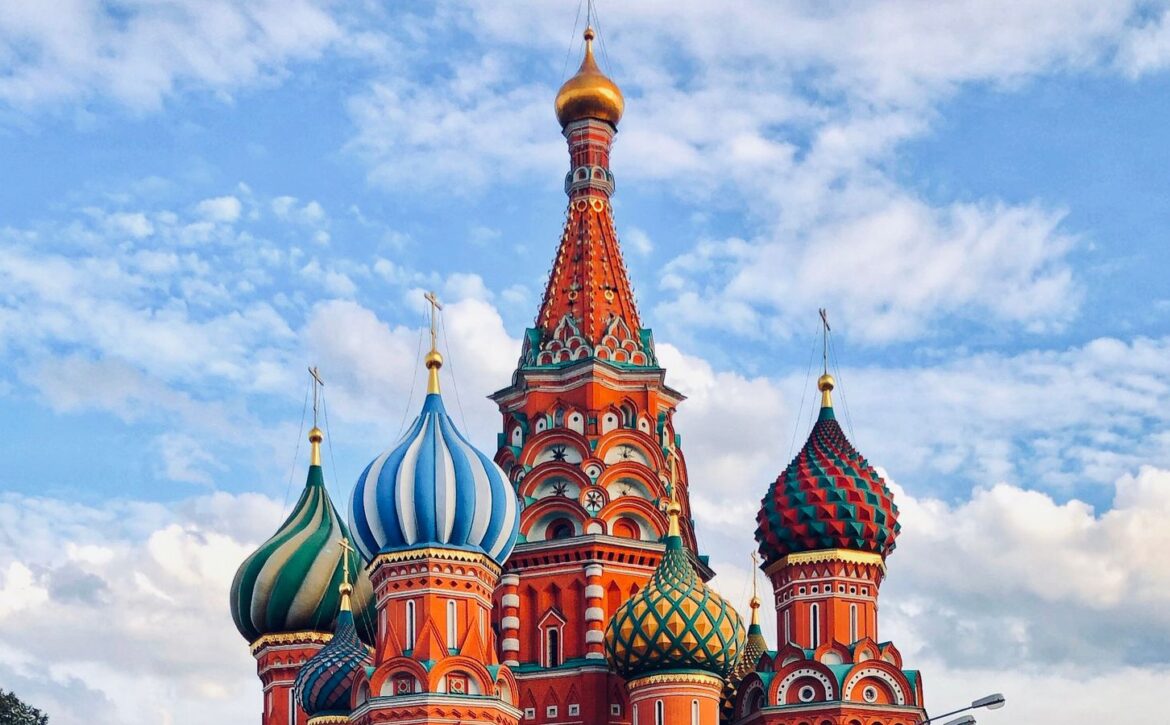
Cover photo: Preeya Innual / Pexels (Pexels License). Cropped.


 TR
 EN