
Turkish Business Meetings for Russian Professionals: What to Expect
In brief
- A Turkish meeting usually begins with tea and conversation; the agenda follows once rapport is established.
- Start times and durations are often flexible, so keep your own punctuality and build slack into your day.
- The most senior person may speak least, and the real decision may be taken outside the room.
- Soft answers such as ‘we shall see’ are not always commitments; ask a clear question and follow up in writing.
- Meetings continue after the meeting: a prompt, friendly summary and a personal call matter.
Turkish business meetings for Russian professionals follow a recognisable rhythm: a warm arrival with tea, conversation before the agenda, a relaxed approach to timing, senior people who listen before they decide, and follow-up that keeps the relationship moving. Arrive on time, be prepared for flexibility, ask who decides and confirm what was agreed in writing within a day.
Turkish business meetings for Russian professionals: the typical sequence
Most meetings in Türkiye follow a similar pattern, even though the details vary by company. Knowing it helps you stay relaxed and use the time well. The sequence below is a tendency, not a rule: a large multinational in Istanbul may run a meeting with a printed agenda, while a family-owned manufacturer may open the discussion with lunch.
- Arrival and greeting. You are met by an assistant, shown to a meeting room and offered tea or water.
- Opening conversation. Questions about your journey, your city and your first impressions of Türkiye.
- Introductions. Each side explains who they are and what they do, often in a few sentences.
- Business discussion. The agenda is covered, though not always in order, and may be interrupted.
- Closing. A summary of the next steps, often with an invitation to a meal or a further meeting.
- Follow-up. A message that day or the next, to thank, confirm and propose what happens next.
This guide looks at the meeting itself. For the wider culture behind it, start with our overview of Turkish business etiquette for Russian executives.
Arrival, tea and the opening minutes
The first ten to fifteen minutes belong to the relationship, and they are part of the meeting. Arrive a few minutes early, greet the reception and your counterparts with a handshake and eye contact, and accept tea or water. Tea is the standard gesture of welcome in Turkish offices; accepting it, even if you only take a few sips, shows appreciation.
Expect friendly personal questions. Share a little about your own city and company, and ask in return. Turkish counterparts often enjoy hearing about the place you come from, and a few words about Moscow, Saint Petersburg or another city create common ground. Keep to light subjects such as food, travel, history and football, and leave sensitive topics unless your host raises them.
Many professionals prefer to move quickly to business. In Türkiye, doing so before the opening conversation is complete can feel abrupt. Let the host set the moment of transition, and then lead confidently into your agenda.
Who speaks, and what silence means
In many Turkish meetings the most senior person is not the one who talks most. A junior colleague may present the figures, a manager may handle the detail, and the owner or director may listen, ask a few direct questions and speak at the end. Treat the senior person with clear respect, address your opening remarks to them and include everybody in your eye contact.
The reverse can also happen: a charismatic senior host may speak at length about the company’s history and values before inviting you to present. Listen attentively. Questions, nods and follow-up comments show that you are engaged.
Interruptions are normal. A phone may ring, an assistant may enter with a paper, and a colleague may step in with a question. These are rarely signs of disrespect. Pause, wait, and resume when the room does. If you are leading the meeting, it helps to prepare a short version of your main points in case time shrinks.
Respect for hierarchy is also visible in who enters first, who sits where and who is thanked at the end. If a title is used, such as Genel Müdür Bey (General Manager) or Doktor Hanım, follow your counterparts’ lead. In everyday address, first name plus Bey or Hanım is the safe form; for the full picture see our guide to greetings and introductions etiquette.
Timing: punctuality and flexibility
Be punctual yourself, and expect more flexibility from others. Arriving on time signals seriousness and is appreciated. A Turkish meeting, however, may start later than planned, run past its slot or be shortened. In Istanbul, traffic can change timings, and many senior people have crowded diaries.
Some practical steps:
- Confirm the time, venue and attendees a day or two before, in writing.
- Leave a generous gap between appointments, especially across the city.
- Keep a short and a long version of your presentation.
- Avoid showing irritation if you are asked to wait; a calm, courteous manner is remembered.
- Do not plan a tight schedule for the same afternoon as an important meeting.
Our general guide to business meeting etiquette covers the basics of agendas, seating and conduct.
Decision making: from the room to the top
Decisions are often taken at the top, and sometimes outside the meeting. Do not read a positive atmosphere as agreement, or a quiet room as disagreement. Your counterparts may need to consult the owner, a partner or a family member before replying.
What you can do:
- Ask early, and politely, who will decide and what the process is.
- Offer a short document that your contact can pass on, written in simple English.
- Give your counterpart the tools to present your proposal internally.
- Agree a date for the next contact, rather than waiting for a reply.
Answers are often softened. Bakarız (“we shall see”) may mean “perhaps”, “not now” or “we will try”. Inşallah (“God willing”) is a common expression of goodwill, used by people of every outlook, and not always a promise. When you need a firm answer, ask a clear, friendly question about the next step, who will confirm it and by what date.
Follow-up: the meeting after the meeting
A prompt, friendly message after the meeting is expected and valued. Send a short summary the same day or next morning: thank your hosts, list the points agreed, who will do what and by when, and propose a next step. Use the names and spellings your hosts used. A summary that can be forwarded as written helps a decision-maker who was not in the room.
Then keep in touch. A phone call or a WhatsApp message between meetings is normal once the relationship has begun. A short note of thanks after a shared meal, or a greeting on a holiday, builds goodwill. Do not let weeks pass in silence after an encouraging meeting, as your counterpart may take that as a loss of interest.
Tendencies compared: a quick reference
The table below sets out common tendencies as described by professionals who work across both settings. Individual companies differ in both countries, so use it to prepare questions, not to predict behaviour.
| Aspect | Often seen in formal meetings in Russia | Often seen in meetings in Türkiye |
|---|---|---|
| Opening | Formal greeting, brief introductions, move to the agenda | Tea, personal conversation, then the agenda |
| Form of address | Vy, with name and patronymic (otchestvo) | First name plus Bey or Hanım |
| Timekeeping | Punctuality expected from all sides | Punctuality expected from visitors; flexibility from hosts |
| Hierarchy | Clear; key decisions at senior level | Clear; key decisions at senior level, often outside the room |
| Style of speech | Varies by company and person | Warm, often softer and less direct on bad news |
| Interruptions | Varies by company and person | Calls and short interruptions are often accepted |
| Follow-up | Written confirmation is usual | Friendly written summary plus calls or messages |
| Hospitality | Often generous, frequently at a meal after the meeting | Generous, often at the start, during and after meetings |
Preparing for your meeting
A short checklist can make the difference between a good and a great first meeting.
- Learn the names, titles and roles of everyone attending, and how to say them.
- Prepare a brief introduction of your company in clear English, or arrange an interpreter.
- Bring business cards with your name in Latin letters; many sectors still use them.
- Prepare a few light conversation topics and some questions about your hosts’ city.
- Dress smartly; a dark suit or tailored separates suit most first meetings.
- Plan your follow-up message before you go in.
If you host Russian-speaking guests rather than visiting, see our companion guide on hosting Russian delegations in Türkiye. For personal preparation before an important visit, our Turkish Business Culture service gives you a briefing tailored to your sector and the people you are about to meet, and for whole teams there is our etiquette and protocol training for Russian companies.
We cover each of these points in detail in our corporate consulting and individual consulting programmes, adapted to your country, sector and goals.
Frequently Asked Questions
How does a typical business meeting in Türkiye start?
Most meetings start with a handshake, a warm greeting and an offer of tea or coffee, followed by a few minutes of conversation about your journey, your city and your impressions. Business is raised once everyone is settled. Rushing straight to the agenda can feel abrupt, so allow ten to fifteen minutes for this opening.
Is punctuality important in Turkish business meetings?
As a visitor, you should arrive on time, since punctuality signals seriousness. Do not be surprised if the meeting starts a little late, runs over or is interrupted by a call or a colleague. Flexibility is common, particularly in owner-managed firms and in busy cities such as Istanbul. Leave a gap between appointments and reconfirm times in writing.
Who makes decisions in Turkish companies?
In many Turkish companies, particularly family-owned and mid-sized ones, the most senior person or the owner makes the final decision, often after discussion outside the meeting. Ask early who has authority, address your opening remarks to the senior person present and give your counterpart the information to present your proposal internally.
How should I follow up after a meeting in Türkiye?
Send a short, friendly written summary within a day, thanking your hosts and listing what was agreed, who is responsible and the next step. Follow with a call or message where the relationship allows it. Written follow-up is normal and helps align a team that may not have been in the room.
Do Turkish negotiators bargain?
In many sectors some bargaining on price and terms is expected, and negotiations often run over several meetings. Keep some room in your first proposal, stay courteous and avoid hard deadlines. Patience and repeated personal contact are usually more persuasive than pressure. Practice varies by sector and company, so observe how your counterpart proceeds.
Can I bring an interpreter to a meeting in Türkiye?
Yes, and for important negotiations it is sensible. Tell your hosts in advance who will attend, and agree the working language. Many Turkish firms have English speakers, and in tourism and hospitality Russian speakers are common. A professional interpreter who knows your subject helps both sides to avoid misunderstandings.
Have an important meeting in Türkiye coming up? Our Turkish Business Culture briefings prepare you for the people, the pace and the decision-making style you will meet, online or in person in Istanbul. Write to us for a tailored quote.
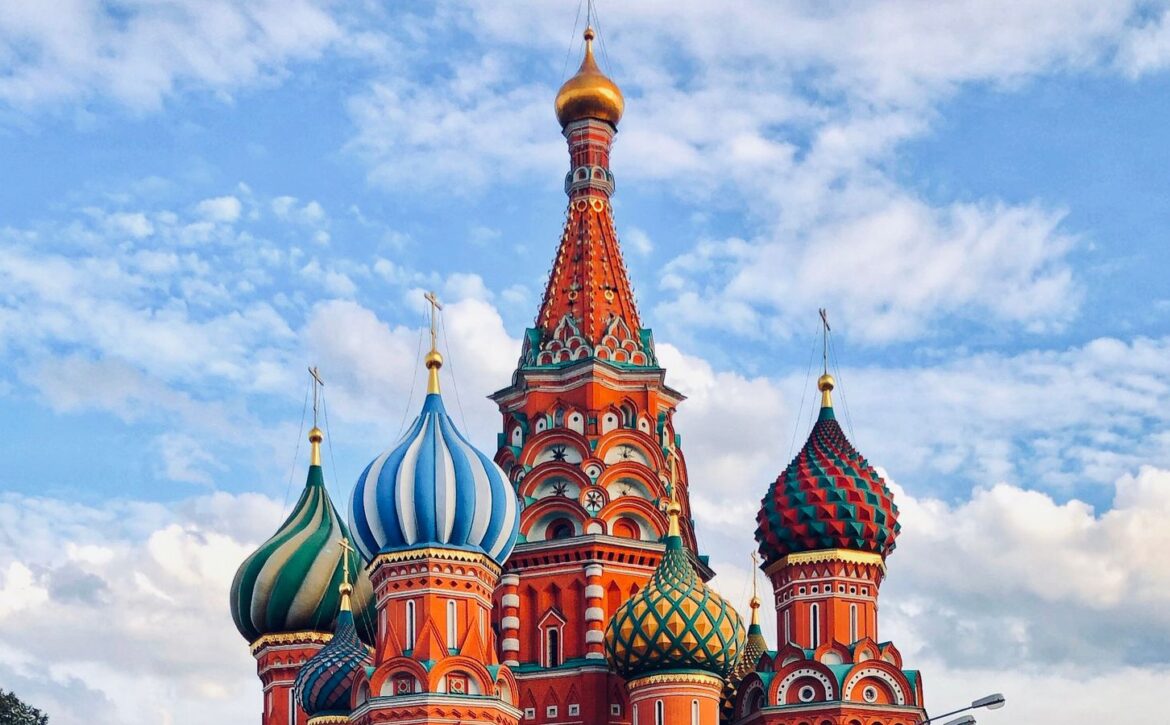
Cover photo: Preeya Innual / Pexels (Pexels License). Cropped.

 TR
 EN