
Hosting Russian Delegations in Türkiye: A Practical Guide
In brief
- A good delegation visit is agreed in writing with the delegation’s own office well before it begins.
- Plan the welcome and the first hour in detail; they set the tone for the whole programme.
- Agree the working language and interpreters early, and brief them on the subject and the names.
- Hospitality at meals can be generous: ask about food and drink preferences, offer choices and never press anyone.
- Name one contact on each side and keep a short backup plan for changes.
Hosting Russian delegations in Türkiye (Turkey) works best when the visit is planned in writing with the delegation’s own office, the welcome is warm and well organised, and the programme leaves room for conversation and hospitality. Agree the working language, brief your interpreters, ask about food and drink preferences and confirm every detail beforehand.
Who this guide is for
This guide is for two groups. The first is Turkish hosts: companies, chambers, municipalities, hotels and event teams in Istanbul, Ankara, Antalya and other cities who receive guests from Russia. The second is organisers in Moscow, Saint Petersburg and elsewhere in Russia who send a team to Türkiye and want the visit to run smoothly.
It looks only at behaviour, protocol and hospitality. Delegations differ widely, from a small group of company owners to a large mixed party with senior officials, so use what follows as a framework and let the delegation’s own office guide the details. Our wider guide to Turkish business etiquette for Russian executives gives the general cultural background.
Before the visit: briefing and advance work
A written brief, agreed by both offices, is the foundation of a good delegation visit. Most problems on the day come from details nobody asked about.
Ask the delegation’s office for:
- the full list of members, with titles, roles and name spellings in Latin letters, so that badges, place cards and speeches are correct;
- the order of seniority, and who will lead the delegation;
- working language preferences and whether interpreters are needed;
- food and drink preferences, allergies and any special requests;
- wishes about photographs, press and social media;
- who is the contact on the Russian side and who is the contact on yours.
If you are unsure how a title or form of address should be used, ask the delegation’s office or protocol unit before the visit rather than guessing. Share a draft programme early, and agree one named person on each side who can make decisions quickly.
The welcome and the first hour
The welcome sets the tone, so plan it more carefully than any single meeting. Meet the group where they arrive, with a host who is senior enough to signal respect and a driver who knows the route. A short, clear message to the delegation’s contact giving names, vehicle details and the hotel plan reassures everyone.
At the venue, greet the head of the delegation first, then others in order of seniority. A firm handshake with eye contact is standard. Use the form of address the delegation prefers; for many Russian-speaking guests this is first name and patronymic (otchestvo), and the formal Vy at first. Your Turkish team may find this hard, so brief them, and write the names clearly in the briefing notes. If you cannot pronounce a name confidently, ask the guest to say it once.
Offer tea or coffee, water and a short moment to settle. Avoid long speeches at arrival; a warm welcome of a minute or two is enough. Then walk through the day: where each person sits, who speaks, how long the session lasts and when the next break comes.
Programme design: pace, timing and flexibility
A good programme balances working sessions, hospitality and rest, and it is realistic about transfers. Many delegations value a well-ordered, punctual schedule and will notice if sessions run late. Turkish venues and counterparts often work more flexibly, so build slack into the plan.
- Keep the first day lighter if the group has travelled recently.
- Put the most demanding working sessions in the morning.
- Leave at least a short break between meetings, and allow generous time for transfers in Istanbul.
- Print the programme in both languages, with names, times, venues and contact numbers.
- Confirm every item with each venue and with the delegation’s contact a day or two before.
Where several Turkish organisations are involved, appoint a single coordinator so that the delegation does not receive conflicting messages. Our guide to business meeting etiquette covers the practice of the meetings themselves, and the companion piece on Turkish business meetings for Russian professionals shows how Russia-based guests often experience them.
Interpreters and language
Agree the working language early and treat interpreting as a professional task, not a favour. Many delegates speak English well, while others prefer Russian for detailed discussion. In Turkish tourism and hospitality centres, Russian-speaking guides and staff are common, which can make the visit easier.
For formal meetings, site visits and negotiations, hire an interpreter who knows the subject. Brief them in advance with the agenda, the list of names and any technical terms. Seat the interpreter beside the person they serve, speak in short sentences, pause often and look at your counterpart, not at the interpreter. Do not use a junior colleague as an interpreter for a senior discussion unless the delegation has agreed to it.
Meals, hospitality and toasts
Generous hospitality is central to Turkish hosting, and many Russian-speaking guests are used to the same spirit at a shared table. Dinners can be long and convivial, with several courses, shared starters (meze) and plenty of conversation.
A few practical points:
- Ask in advance about food preferences and allergies, and tell the restaurant.
- Offer a choice of drinks, including alcohol-free ones; alcohol is available in many restaurants, but the preference belongs to the guest and nobody should be pressed.
- Decide beforehand who will welcome the guests and who will reply.
- Seat the head of the delegation and the senior host at the centre, with interpreters nearby.
- Keep phones away from the table.
Toasts may be part of the evening. Short, warm toasts to the guests, to the shared work and to the friendship between the companies are welcome. In Turkish, şerefe is the common word. Guests may offer longer, more formal toasts, and it is courteous to listen, raise a glass or a cup of tea and respond briefly. The host usually pays, so settle the bill discreetly.
Gifts, photographs and the formal moments
Gifts are a gesture of respect, not a transaction. Choose something modest and characteristic of your city or company, wrap it neatly and present it at an agreed moment, usually at the end of a meeting or dinner. Give the head of the delegation’s gift first, and prepare a smaller token for each member where the group is small. Our guide to gift giving etiquette has more ideas.
Photographs are common at welcomes, signings and group dinners. Agree beforehand what will be photographed and who will take the pictures. Ask permission before sharing any image on social media, and let the delegation’s office approve pictures of senior guests. A single official group photograph at a natural moment, such as after a signing, is better than constant camera flashes during the meeting.
Hosting Russian delegations in Türkiye: checklist at a glance
| Stage | What to do |
|---|---|
| Four to six weeks before | Agree purpose, level and dates; request the delegation profile; name contacts |
| Two to three weeks before | Share the draft programme; book interpreters and venues; confirm food preferences |
| One week before | Print bilingual programme and name cards; brief the Turkish team on forms of address |
| Day before | Reconfirm transfers, meetings and meals; check the backup plan |
| During the visit | Keep one contact available; reconfirm the next day each evening |
| After the visit | Send thanks and a short written summary; share agreed photographs |
For organisers in Russia: preparing your team
If you are sending a team to Türkiye, prepare them as you would for any important visit. Tell your Turkish hosts how your delegates prefer to be addressed and how to write their names. Share your programme preferences early, and ask your hosts what they expect. Remind your team that a warm, conversational start is part of the meeting, that timings may flex, and that hospitality offered at meals is a gesture of respect.
It also helps to agree who speaks first, who answers questions on commercial detail and how follow-up will be handled, so that your hosts see a clear leadership structure.
Next steps
Every delegation is different, and the best preparation is specific to the people involved. For Turkish hosting teams, our Corporate Consulting service covers protocol, welcome and hospitality, delivered in person in Istanbul or online. If your company is in Russia and prepares teams for visits, see our overview of etiquette and protocol training for Russian companies.
We cover each of these points in detail in our corporate consulting and individual consulting programmes, adapted to your country, sector and goals.
Frequently Asked Questions
How do you prepare to host a Russian delegation in Türkiye?
Start by agreeing the purpose, dates and level of the visit with the delegation’s own office, and name one contact on each side. Ask for a written list of who is travelling, with titles and name spellings in Latin letters, plus language, food and schedule preferences. Build the programme from that list and confirm it in writing.
Do Russian delegations need an interpreter in Türkiye?
It depends on the delegation and the meeting. Some members will work comfortably in English, and others will prefer Russian for detailed or formal discussion. Ask the delegation’s office early. For formal sessions, technical visits and negotiations, a professional interpreter who knows the subject is a sound investment, and Russian-speaking guides are widely available in tourism centres.
What gifts are suitable for a Russian delegation?
Choose something modest, well made and characteristic of your city or company, such as quality Turkish sweets, a hand-made object, a book or a good photograph. Present it at an agreed moment, ideally at the end of a meeting or meal. Check beforehand whether the delegation has rules on gifts, and avoid anything extravagant.
How should a Turkish host handle toasts at a dinner for Russian guests?
Many Russian-speaking guests are comfortable with toasts, and a short, warm toast to the guests and to the shared project is welcome. Ask the delegation’s contact beforehand how formal they would like the dinner to be. Offer alcohol and non-alcoholic drinks equally, never press anyone to drink, and let senior guests decide the rhythm.
Can we take photographs during a delegation visit?
Ask in advance, preferably through the delegation’s office. Agree which moments will be photographed, such as the welcome, the signing of documents or a group picture, and which will not. Share the pictures only with consent, and be especially careful about posting images of senior guests on social media before the delegation has approved them.
How far in advance should a delegation programme be planned?
Begin as soon as the visit is confirmed, and finalise the draft programme with the delegation’s office at least a few weeks before it takes place where you can. Confirm each meeting, transfer and meal again a day or two beforehand. Turkish venues often flex, so a written plan with a named contact keeps everyone aligned.
Planning a delegation visit? Our Corporate Consulting programme helps hosting teams prepare protocol, welcome, programme and hospitality, in person in Istanbul or online. Contact us for a tailored quote.
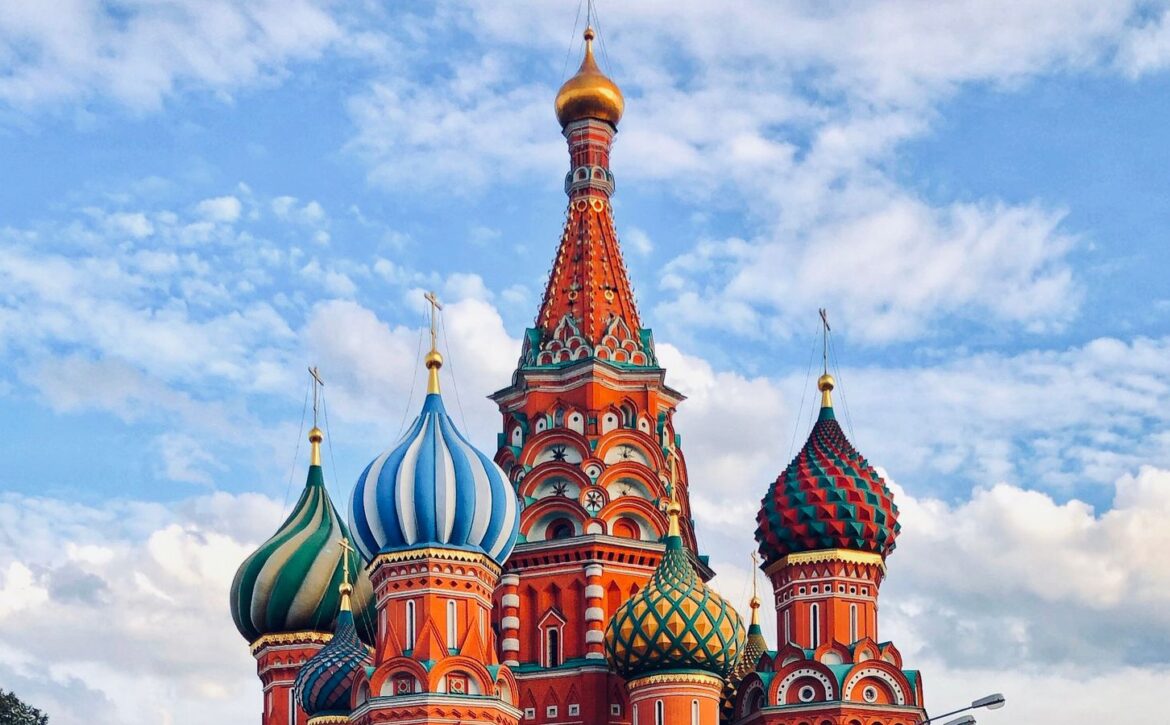
Cover photo: Preeya Innual / Pexels (Pexels License). Cropped.


 TR
 EN