
Negotiating with Turkish Partners: A Guide for British Teams
In brief
- Many Turkish partners prefer to build trust before settling terms, so spend time on the relationship rather than treating it as a delay.
- Negotiations often take longer and move in rounds, so plan for several meetings and avoid artificial deadlines.
- Some bargaining on price and terms is common in many sectors, so keep room in your opening position.
- A yes, a we will see or an inşallah may be goodwill rather than commitment, so clarify and confirm in writing.
- These are tendencies, not rules. This guide does not give legal advice; use qualified advisers for contracts.
Negotiating with Turkish partners usually starts with the relationship, not the terms. Expect time for conversation and tea, several rounds of discussion and some bargaining on price and conditions. Treat a friendly yes or a we will see as goodwill until it is clarified, and confirm each agreement in a courteous written summary after the meeting.
Negotiating with Turkish partners: relationship before terms
Many Turkish partners prefer to do business with people they know and trust, so the first stage of a negotiation is often about the relationship. This does not replace commercial discipline. It is the foundation on which the commercial discussion stands.
In a typical British sequence, the introduction is short, the proposal is tabled and terms are debated. In Türkiye, introductions may be longer and more personal, and the proposal may come later. Your counterparts are forming a view of your reliability, and they will often want to meet in person before committing.
Practical ways to build that trust include:
- Arrive with an introduction from a mutual contact if you can. A personal recommendation carries real weight.
- Spend the first part of each meeting on conversation, without hurrying towards the agenda.
- Visit in person at key moments rather than relying only on email and video calls.
- Show consistency, so that what you say in the second meeting matches what you said in the first.
If you are new to the Turkish business setting, begin with our guide to doing business in Türkiye for British professionals, which sets out the wider context.
Know who you are negotiating with
The style you meet depends on the company, sector and city, so find out whom you are dealing with before you plan your approach. A multinational or a technology company in Istanbul may negotiate in a way that feels very familiar to a London team, with English-language documents, agendas and a committee. A family-owned manufacturer or trading house is often more personal and more hierarchical, and the owner may take the decisions.
Ask your contacts early who the decision-maker is and who advises. The person who speaks the best English may not be the one who decides. Greet and address the senior person first, and treat colleagues with respect throughout. Our guide to Turkish greetings and forms of address explains the titles you will hear.
Pace and patience
Negotiations in Türkiye often take longer than British teams expect, and they move in rounds, with discussions that return to earlier points. A single meeting is less likely to produce a final answer than a series of conversations.
Several habits help you keep step with this pace:
- Plan for several meetings, and agree in your own team what a good outcome looks like for each.
- Do not set tight deadlines or use them as pressure. Hard deadlines tend to be counter-productive.
- Leave slack around meetings, since they may start late or be interrupted.
- Keep contact between meetings with short, friendly messages. A phone call or a WhatsApp message is often the quickest way to learn where things stand once you know each other.
Patience is not passivity. Keep the process moving by confirming each next step, and by showing that you are committed to the relationship over the longer term.
Bargaining expectations
In many sectors, some bargaining on price and terms is expected, so it helps to build room into your first position. A British team that opens with its best offer and expects a quick yes may find that the other side still wishes to negotiate.
These tendencies are worth bearing in mind:
- Keep a margin in your opening proposal, and decide in advance what you can trade.
- Link concessions to something in return, for example volume, payment terms or length of commitment.
- Stay courteous and good-humoured. Bargaining is often a form of engagement, not hostility.
- Do not equate a counterpart’s firm tone with a breakdown. It may be part of the process.
Practice varies widely. Large companies, public bodies and some sectors work from fixed procedures and published terms, and some partners will bargain very little. Listen to how the other side frames the discussion and adjust. Do not treat bargaining as an insult to either party.
Reading yes, we will see and inshallah
A yes in a Turkish negotiation may mean “I understand” or “I would like to continue”, and not yet “I commit”. The same is true in Britain, where “that sounds interesting” can mean many things. Each side is courteous in its own way, and each can mislead the other.
Some phrases you may hear, and what they can mean:
| Phrase | Literal meaning | What it may mean |
|---|---|---|
| Evet | Yes | Yes, I agree; or yes, I hear you and wish to continue |
| Bakarız | We shall see | Goodwill and an open door, with no firm commitment yet |
| İnşallah | God willing | A common phrase for hope and goodwill, used by people of many outlooks |
| Sıkıntı yok | No problem | Reassurance; check what will happen and by when |
| Düşünelim | Let us think about it | A request for time, which may be hesitation or genuine consideration |
The best way to read these phrases is to listen to tone and context, and to ask a friendly follow-up. “That is helpful. Shall we agree that you will come back to me by the end of next week?” invites a clear reply without pressing. Our article on British and Turkish communication styles explores this difference in more detail.
Written follow-up
A short written summary after each meeting turns warm conversation into a shared plan. It is a courtesy, and it protects both sides. Send it the same day or the next morning, in a friendly tone.
- Thank your counterpart for the time and hospitality.
- Summarise what was discussed, in neutral words.
- List the next steps, who is responsible and the dates.
- Invite corrections: “Please let me know if I have misunderstood anything.”
This summary is not a contract. For anything with legal or financial consequences, including contracts, tax, customs, investment rules or incorporation, use a qualified local adviser or the official source. We do not give legal advice.
Disagreement, difficult moments and saving face
When positions differ, a calm and respectful approach usually works better than a blunt one. Avoid contradicting a counterpart in front of their colleagues, and raise sensitive points in private or in a small group.
Present problems as shared challenges: “How can we make this work for both sides?” Explain your reasoning, ask for theirs and look for options that give the other side something to take back to their own organisation. If a meeting becomes tense, a break for tea can reset the mood. It is rarely wasted time, and it is often when the most useful conversation happens.
If you find yourself on the receiving end of rude or pressuring behaviour, our guide on how to respond to rudeness offers calm, practical responses.
British and Turkish negotiation tendencies compared
The table gives common tendencies, and individuals in both countries vary by sector, region and generation.
| Area | Common British tendency | Common Turkish tendency |
|---|---|---|
| Starting point | Short introductions, then the proposal | Relationship first, then the proposal |
| Pace | Efficient, with a target for each meeting | Gradual, in rounds, often across several meetings |
| Bargaining | A fair first offer is expected | Room to bargain is often expected |
| Decision-makers | Often shared or by committee | Often the senior person or owner |
| Saying no | Understated and qualified | Softened, often through a different topic or phrase |
| Follow-up | Email confirmation is routine | Verbal goodwill is strong; written follow-up fixes details |
| Pressure | Deadlines are normal | Deadlines and pressure can be counter-productive |
A short preparation checklist
- Find out who decides, and plan to meet them.
- Prepare an opening position with room to move.
- Allow for several meetings and flexible timing.
- Brief your team on titles, tea and conversation.
- Agree who will write the follow-up, and what it will include.
Preparing your team
A negotiation is also a social occasion, so the manners of the meeting matter. Our protocol and etiquette training for UK companies and our Turkish Business Culture service help teams prepare. We work from Istanbul, in person or online.
We cover each of these points in detail in our corporate consulting and individual consulting programmes, adapted to your country, sector and goals.
Frequently Asked Questions
How long do negotiations with Turkish partners usually take?
Often longer than British teams plan for, and usually across several meetings. Early meetings may focus on getting to know each other and exploring interests before terms are discussed. Sectors and companies differ, and some firms move quickly. Build time into your schedule, avoid artificial deadlines and treat each meeting as progress in the relationship, not only in the terms.
Is bargaining expected in Turkish business negotiations?
In many sectors some bargaining on price and terms is a normal part of the process, so leave room in your opening offer and be ready to trade between items. This is a tendency, not a rule, and large multinationals may use fixed procedures. Listen to how your counterpart frames discussion, and stay courteous even when positions are firm.
What does we will see mean in a Turkish negotiation?
Bakarız, meaning we will see, and inşallah, meaning God willing, are everyday phrases that can express goodwill, a wish to keep the conversation open, or a polite hesitation. They are not always a firm commitment. Ask a friendly, specific question about the next step and the date, and confirm what was agreed in a short written message.
Should British negotiators put everything in writing?
Written follow-up is wise and is usually welcomed when it is courteous. After each meeting, send a short note thanking the host and summarising points discussed, next steps, owners and dates. For anything with legal or financial consequences, such as contracts, use qualified advisers. A written summary protects both sides when schedules shift and memories differ.
Who makes the final decision in Turkish negotiations?
In many companies, especially family-owned ones, the senior person or owner has the final say, and may not attend every meeting. Find out early who decides, treat that person with respect and avoid going around other colleagues. Multinationals and technology firms may use committees or more distributed decision-making.
How should I handle disagreement when negotiating in Türkiye?
Raise it privately, in a calm, courteous tone, and frame it as a problem to solve together. Avoid blunt or public criticism, which can embarrass your counterpart and damage the relationship. Explain your reasoning, ask for theirs and look for options that meet both sides’ interests. Patience and consistency often persuade better than pressure.
Preparing for a negotiation in Türkiye? Our Turkish Business Culture briefings prepare your team for the people, pace and protocol of the meetings ahead, in person in Istanbul or online. Contact us for a tailored quote.
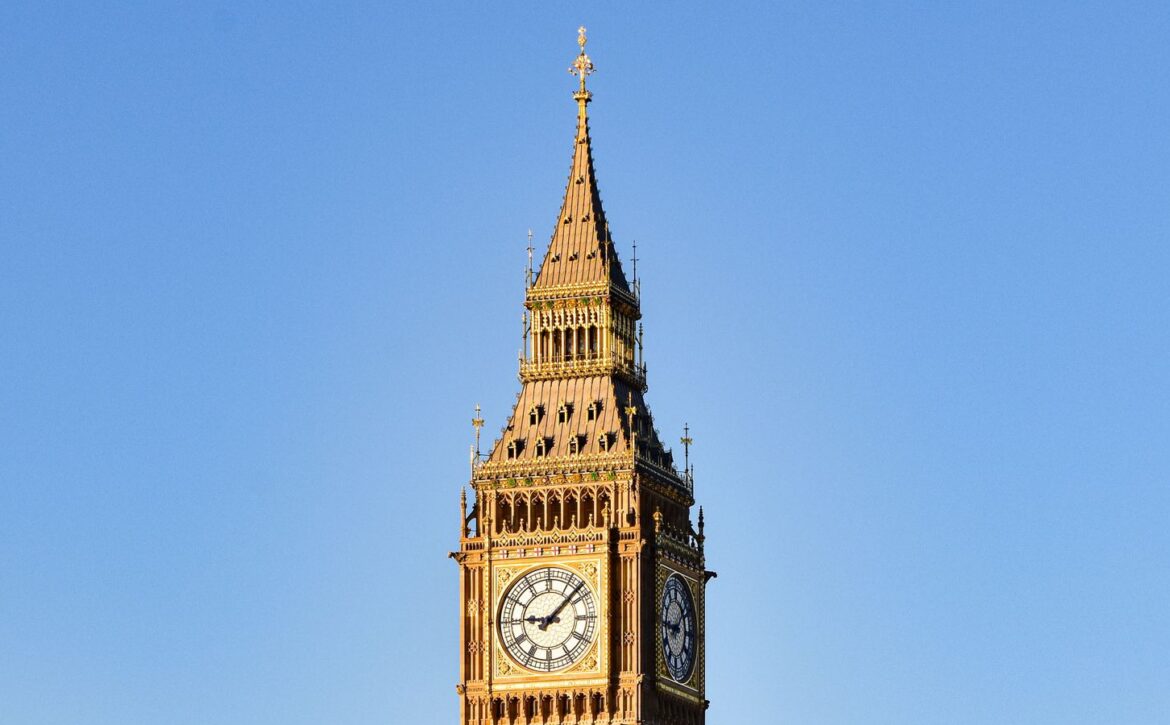
Cover photo: AXP Photography / Pexels (Pexels License). Cropped.


 TR
 EN