
British Expats in Istanbul Workplace Etiquette: A Practical Guide
In brief
- Colleagues in Istanbul often build working trust through tea, shared lunches and personal conversation, so join in early.
- Use first name plus Bey or Hanım until colleagues suggest otherwise, and notice how titles and seniority are used.
- Meetings may be less tightly timed than in the UK, so confirm decisions and actions in writing afterwards.
- Give feedback privately, warmly and specifically, and expect to hear feedback that is softer than you are used to.
- Companies differ widely: a multinational office in Istanbul and a family-owned firm can feel like different worlds.
British expats in Istanbul workplace etiquette comes down to a few habits: greet colleagues personally, use first names with Bey or Hanım until invited to drop them, accept tea and shared lunches, keep feedback private and warm, and confirm decisions in writing. Istanbul (Türkiye, or Turkey) offices differ, so watch what your colleagues do and follow their lead.
British expats in Istanbul workplace etiquette: the first weeks
The first weeks in an Istanbul office are about relationships more than output. Most British professionals find colleagues welcoming and curious, and the surest way to settle in is to take part in the small daily habits that connect people.
Offices in Istanbul vary a great deal. A multinational on the European side may run much like a London office, with English meetings and an open-plan floor. A family-owned manufacturer may be more hierarchical and more personal. A start-up may be young, quick and informal. This guide gives common tendencies, not rules, and you will do best by observing before adapting.
In your first week, try these simple steps:
- Greet each person on your team individually, with a handshake or a nod, and introduce yourself with your role.
- Learn how to pronounce colleagues’ names, and ask if you are unsure. People notice the effort.
- Accept tea or coffee when offered, and bring something to share, such as pastries, on a day that feels right.
- Ask a trusted colleague how decisions are made and who should hear about what.
For a wider view of how British visitors tend to experience Turkish business, see our guide to doing business in Türkiye for British professionals.
Colleagues and relationships
Working relationships in Türkiye are often warm, personal and built over time. Colleagues may ask about your family, your weekend and your impressions of the city early on. In a British office such questions might feel forward. Here they are usually sincere interest, and the fitting response is to answer openly and ask in return.
Many colleagues will help you, sometimes without being asked, and may take a personal interest in your settling in. Accept this generosity with thanks. A small gesture of appreciation, a card or a coffee, goes a long way.
Group loyalty can be strong. A team may close ranks around a colleague who is struggling, and a manager may see a team member’s family circumstances as relevant to their work. Respect this, and do not assume that a personal conversation in the office is idle time. It is often how trust is maintained.
Take care with gossip, which is common in every country and risky for newcomers. Be warm to everyone, and avoid commenting on colleagues or managers to other colleagues.
Names, titles and forms of address
The polite default in Turkish workplaces is the first name followed by Bey for a man or Hanım for a woman: Ahmet Bey, Elif Hanım. It is warm and respectful at once, and it is used between colleagues of long standing.
Titles often carry weight. A doctor, professor or engineer may be addressed with the title in speech, and a manager may be addressed as Müdürüm (“my manager”) or by first name plus Bey or Hanım. Many younger colleagues in international companies use first names only. Notice what the people around you do, and match it. If you are unsure, the more respectful form is the safer choice. Our guide to Turkish greetings and forms of address goes through titles and pronunciation.
British colleagues who move to first names within minutes may find that Turkish colleagues respond more formally for longer. This is not distance. It is respect.
Lunch and tea habits
Tea and lunch are the social heart of many Turkish offices, and taking part is one of the quickest ways to belong. Tea is often brought round during the day by a member of staff or made by whoever is nearby, and it may arrive without being requested. Say teşekkür ederim (thank you) and drink it, or say you are fine for now.
Lunch may be taken together, ordered in or brought from home and shared. Colleagues may offer you food from their own plate or box, which is a sign of friendliness. If you have dietary requirements, say so kindly and early. In many offices, helping a colleague to the best part of a dish is a form of care, and a gracious refusal is understood.
If you usually eat at your desk, try joining at least some lunches. You can also suggest a coffee or a walk on another day when you need quiet. Alcohol is not usually part of an everyday office lunch, and drinking at work events depends on the company and the occasion, so follow your hosts and never press anyone to join you.
Meetings in an Istanbul office
Meetings are often more fluid than in the UK, and the best approach is to be on time yourself and prepare for flexibility from others. A meeting may start a little late, move between topics or be interrupted by a call or a visitor.
Several habits help British expats run and join meetings well:
- Send the agenda in advance, and treat it as a guide, not a script.
- Allow time at the start for greetings and a few words of conversation.
- Notice who speaks most and who decides. They may not be the same person.
- Do not read silence as agreement. Ask for views individually, and give people a chance to speak after the meeting.
- Send a brief written summary of decisions, owners and dates the same day.
Where the senior person speaks, others may defer. If you want honest input from the team, invite it kindly and perhaps privately. Our guide to business meeting etiquette gives principles that work in any country.
Feedback style: warm, private and specific
Feedback works best in Istanbul when it is private, personal and framed as a shared problem. Public criticism, sarcasm or heavy British understatement can land badly, or can simply not be understood.
Some British managers use a gentle formula, such as “that is quite good, but perhaps we could look at it again”. A Turkish colleague may hear this as praise. Others may use praise and warmth to soften a message so much that a British listener misses the criticism. In both directions, be specific.
- Begin with a personal word, then describe the issue in plain terms.
- Say what you need, by when and why it matters.
- Invite the colleague to explain their view and ask what would help.
- Close by repeating what you have agreed, and follow up in writing.
When you receive feedback, listen for the substance behind a courteous tone. If a colleague says something will be “difficult”, ask what would make it possible. For wider reading, see British and Turkish communication styles.
Small talk and social life at work
Small talk is part of the work in Türkiye, and it is usually more personal than in a British office. Food, football, travel in Türkiye, music and your first impressions of the city are always welcome. Family is a frequent topic and often a source of pride.
Be careful with domestic politics, religion and sensitive history, and let colleagues raise them first, if they do. Listening is usually better than offering an opinion. If you are asked about the UK, answer warmly and avoid complaining.
Invitations are generous. You may be invited to a colleague’s home, a family event or an evening out. Accept when you can, bring something small and thank your host the next day. Our guide to Turkish hospitality and gifts explains how to accept and reciprocate.
British and Turkish workplace habits at a glance
The table compares common tendencies. It describes what many people report, and individuals vary by company, sector and generation.
| Area | Common British tendency | Common Turkish tendency |
|---|---|---|
| Greeting colleagues | A quick hello, often to the group | An individual greeting, often with a few personal words |
| Names | First names from the start | First name plus Bey or Hanım; titles and seniority noticed |
| Tea and lunch | Tea at the desk; lunch often alone | Tea offered often; lunch often shared and social |
| Meetings | Agenda followed; start and finish on time | More fluid; flexible start, discussion that may range |
| Feedback | Understated, softened by qualifiers | Warm and personal, usually in private |
| Small talk | Weather, weekend, brief and light | Family, food and impressions, often more personal |
| Decisions | Often shared or by committee | Often by the senior person |
Settling in: a short checklist for the first month
- Learn colleagues’ names and how they like to be addressed.
- Join tea and lunch regularly, and say yes to a social invitation.
- Find a colleague who can explain unspoken habits, and thank them often.
- Confirm decisions and deadlines in writing, politely.
- Learn a few Turkish phrases, such as günaydın (good morning) and kolay gelsin (may your work be easy).
Matters such as employment terms, residency and tax are outside what we advise on, so confirm them with your employer, the official source or a qualified adviser.
Support for expats and their managers
A little preparation shortens the learning curve. Our Turkish Business Culture service briefs expatriates and their teams, and our individual consulting offers one-to-one support. We work from Istanbul, in person or online.
We cover each of these points in detail in our corporate consulting and individual consulting programmes, adapted to your country, sector and goals.
Frequently Asked Questions
How do British expats fit in at a Turkish workplace?
Most settle in by taking part in the small daily rituals: greeting colleagues individually, accepting tea, joining lunch when invited and asking about people’s families and weekends. These habits build the trust on which cooperation depends. Stay punctual, be patient with flexible schedules and ask colleagues to explain local habits. Curiosity is almost always welcomed.
Should I use first names with colleagues in Istanbul?
Many colleagues will use first names, often followed by Bey for a man or Hanım for a woman, for example Ahmet Bey or Elif Hanım. In multinational offices, plain first names are common. Begin with the more respectful form, notice what colleagues use among themselves, and follow the lead of your manager and the people around you.
Is it normal to eat lunch with colleagues in Turkish offices?
In many offices it is common, and it is often a social occasion as well as a meal. Colleagues may go out together, order in or share food brought from home. Joining at least some of the time helps relationships. If you prefer a quieter break, say so kindly, and suggest a coffee or a walk on another day.
How direct should British expats be when giving feedback in Türkiye?
Be clear, but warm and private. A blunt or sarcastic remark in front of others can damage trust, while praise and a personal word before the issue usually make criticism easier to hear. Describe what happened, what you need and why, and invite the colleague’s view. Check understanding at the end, because softened messages can be missed.
What small talk topics work with Turkish colleagues?
Family, food, travel within Türkiye, football, music and your first impressions of Istanbul are friendly and welcome topics. Many colleagues will ask personal questions about your family and background as a sign of interest. Be cautious with domestic politics, religion and sensitive history, and let colleagues raise such topics first, if they do.
Do Turkish workplaces observe the same hierarchy as British ones?
Often more visibly. In many organisations the manager or owner has the final say, and seniority is shown through titles, seating and who speaks first. This varies by company: technology firms and multinationals are often flatter. Learn who decides, treat senior colleagues with respect and be tactful when you disagree with a manager in front of others.
Starting a new role in Istanbul? Our Turkish Business Culture sessions help expatriates settle in with confidence. We work from Istanbul, in person or online, and tailor each programme. Ask for a quote.
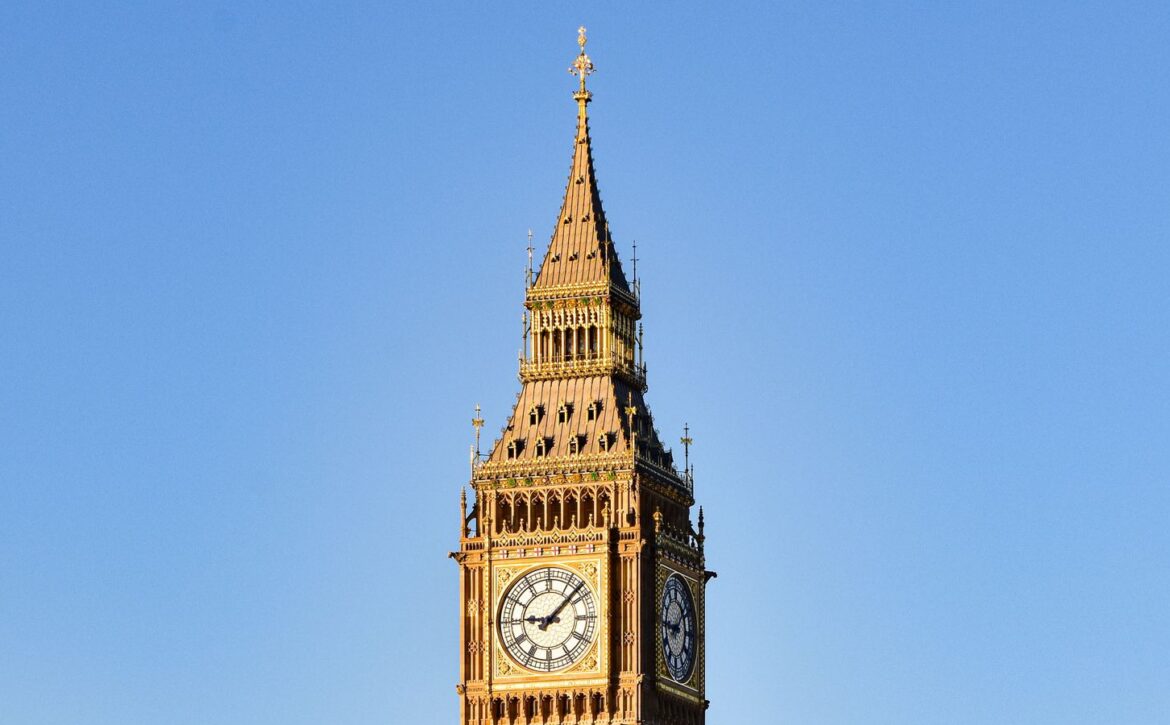
Cover photo: AXP Photography / Pexels (Pexels License). Cropped.

 TR
 EN