
Istanbul Business Trip Etiquette: A Guide for Dubai Executives
In brief
- Most of a good business trip is decided before departure: agree the agenda, attendees, titles, food and prayer preferences in writing.
- Leave generous margins in Istanbul. Traffic and the flexible rhythm of meetings can stretch any tight timetable.
- Accept tea and the first meal as part of the work, and let your host pay, then return the hospitality another time.
- Plan free time and a quiet moment into the visit, and ask your host before suggesting any change to the programme.
- Follow up within a day with a short written summary and a thank-you.
Istanbul business trip etiquette comes down to preparation and patience. Before you travel, agree the agenda, titles, food and prayer needs in writing. In Istanbul, allow for traffic and flexible timings, accept tea and meals as part of the work, address people as first name plus Bey or Hanım, and follow up within a day with a written summary.
Before you travel: the written groundwork
A smooth trip to Istanbul is built in the week before departure, through a short exchange of written details with your Turkish host. Do this by message or email, and name one contact on each side.
This article follows one journey from Dubai or Abu Dhabi to Türkiye (Turkey) and back. For the wider picture of how business is done, start with our guide to Turkish business etiquette for UAE executives.
- Agenda and attendees. Send the purpose of each meeting, the names and titles of your party in the spelling you prefer, and ask for the same from your host.
- Decision-maker. Ask politely who else should join, so that the right person is in the room.
- Language. Ask whether English will be used throughout or an interpreter would help.
- Food and prayer. Tell your host about dietary needs and whether you would like a quiet space or short breaks, so that they can plan.
- Timings. Ask for the address, the floor, a mobile number for the contact and a realistic journey time between venues.
Entry requirements, public holidays and working hours change, so confirm them with the official source or a local adviser before you book. We do not state them here. If your party includes very senior or titled guests, ask their own office how they wish to be addressed, and pass this to your host in advance.
Arrival and the first day
On arrival, the aim is to be rested, on time and unhurried for your first commitment. Do not schedule an important meeting straight after a late flight if you can avoid it.
Agree in advance who will meet you and where. If your host offers a driver, confirm the name and a mobile number. Istanbul is a very large city spread across two continents, and journey times can be much longer than the distance suggests. Give yourself time at the hotel to change and to look over the agenda before you leave for your first meeting.
A welcome message on arrival, such as “We have landed safely and look forward to seeing you tomorrow,” is a courteous touch that Turkish hosts usually appreciate. If a welcome dinner is planned, treat it as the start of the working relationship. Our guide to making a good first impression covers the basics.
First meetings: what to expect and how to behave
The first meeting is often about getting to know you, so expect conversation before business. Arrive a few minutes early, greet the most senior person first and use first name plus Bey or Hanım: Ahmet Bey, Ayşe Hanım. A handshake with eye contact is standard. If a hand is not offered, a nod with the right hand briefly on the chest is courteous and widely understood.
You will almost certainly be offered tea. Accept it, or ask for water. Allow the conversation to run: questions about your journey, your impressions of the city and your home city are friendly interest. Then let your host move to the agenda, or propose it gently yourself.
Meetings may start late, be interrupted or overrun, especially in owner-managed companies. Stay relaxed, since it is seldom meant as disrespect. Take brief notes, and at the end agree the next step aloud. Our article on Turkish business meetings explains the typical flow in more detail.
Meals and invitations
Meals are central to business hospitality, and an invitation to lunch or dinner usually shows that the relationship is moving forward. The person who invites normally pays. A friendly contest over the bill is part of the ritual, so thank your host warmly and plan to return the invitation, perhaps when your counterpart next visits the UAE.
Many restaurants serve a spread of shared small dishes (meze) before the main course. Dinners can be long. Halal food is widely available, and many restaurants will explain what is in a dish. It is still sensible to tell your host about preferences when the table is booked. Alcohol is served in many restaurants, but not at every table. If you do not drink, say simply that you prefer water, tea or ayran. A considerate host will not press you, and you should not comment on anyone else’s choice. Our table manners guide has more on conduct at the table.
If the trip falls in Ramadan, check your counterparts’ plans before suggesting lunch, and accept an iftar invitation if one is offered. Dates change each year, so confirm them locally.
Free time, the city and your own schedule
Free time on a business trip is part of the relationship, so plan it with your host in mind. If your host offers to show you the city, accept with enthusiasm; an evening walk, a ferry ride or a meal in a favourite restaurant often does more for trust than another meeting.
Do not feel obliged to fill every hour. Build in a quiet moment each day for rest, prayer or calls, and ask your host about suitable places in advance. If you visit a mosque or historic site, dress modestly and follow the guidance at the entrance. For personal travel, security and any rules that apply to a particular place or event, rely on official sources and your host. If your plans change, tell your contact promptly, and ask before proposing to alter the programme.
A day-by-day view of the trip
The table sets out what to do at each stage of a typical trip and why it helps.
| Stage | What to do | Why it helps |
|---|---|---|
| One week before | Confirm agenda, attendees, titles, language, food and prayer needs in writing | Your host can plan correctly without asking guests on the day |
| Day before | Reconfirm timings, addresses and a named mobile contact | Schedules in Istanbul can shift; a recent confirmation protects your plans |
| Arrival | Send a short message, rest and review the agenda | You begin the first meeting calm and prepared |
| Meetings | Greet seniors first, accept tea, allow conversation, take notes | Trust is built before terms are discussed |
| Meals | State preferences simply, let the host pay, thank them | It respects the ritual of hospitality |
| Departure | Thank each host in person and agree next steps | It leaves a clear and warm last impression |
| Within a day | Send a thank-you and a written summary | It records agreements and keeps momentum |
After the trip: thank, summarise, follow up
The trip is not over until you have followed up, so send a thank-you message within a day and a written summary soon after. Name actions, owners and dates in a friendly tone, and ask your counterpart to correct anything that differs from their memory.
Keep in touch in small ways: a short message when a document is ready, a note to mark a Turkish holiday, an invitation to visit you next time. Turkish partners tend to value this continuing personal contact. Be careful with spoken goodwill such as bakarız (“we will see”) or inşallah, which expresses hope and is not always a firm commitment. A polite follow-up on the same point after a week is normal.
Istanbul business trip etiquette checklist
Use this list on the day before you leave.
- Written agenda, attendee list and titles shared and confirmed.
- Named contact and mobile numbers for your host and for any driver.
- Food, prayer and rest preferences passed to your host.
- Business cards and, if appropriate, a modest gift.
- Margins left between meetings for traffic and overruns.
- Entry requirements, holidays and working hours checked with official sources.
- Draft thank-you and summary message ready to personalise.
If you travel as a group or host guests in Istanbul
If you are travelling as a delegation, our planning guide on protocol for UAE and Qatar delegations in Türkiye describes the advance work in detail. If you are on the Turkish side, or you organise events for UAE guests, read our article on hosting Emirati delegations in Istanbul.
We cover each of these points in detail in our corporate consulting and individual consulting programmes, adapted to your country, sector and goals.
Frequently Asked Questions
What should I prepare before a business trip to Istanbul from Dubai?
Agree the agenda, the names and titles of everyone attending and the timings in writing with your Turkish host. Tell them about food, prayer and rest preferences, ask whether an interpreter would help, and plan margins for traffic. Check entry requirements, holidays and working hours with official sources or a local adviser, since these change.
How early should I arrive for a meeting in Istanbul?
Aim to arrive a few minutes early, because punctuality is valued in a visitor. Your host may start a little late or run over, so do not schedule a tight sequence. Istanbul traffic can be slow and unpredictable, so leave generous margins between appointments and ask your host or driver for realistic journey times.
Should I bring a gift on a first business trip to Istanbul?
A gift is not expected at a first meeting. If you wish to bring something, choose a modest, well-made item from your home city or company, such as quality dates or sweets, and present it simply once rapport exists. Avoid anything extravagant, because many organisations limit what staff may accept.
What do I say if I do not want alcohol at a business dinner in Istanbul?
Simply say that you prefer water, tea or a soft drink, and thank your host. Alcohol is served in many restaurants, but many guests do not drink and a good host asks rather than assumes. Nobody should press you. It helps to mention your preferences when the booking is made.
Is it rude to leave Istanbul without thanking my hosts?
It would be remembered. Send a short thank-you message within a day, followed by a written summary of what was discussed and agreed, with dates. A small personal note, in English or with a Turkish phrase such as teşekkür ederim, goes a long way and keeps the relationship warm.
Planning a business trip to Türkiye? We can brief you and your team before you travel, in person from Istanbul or online, tailored to the people you will meet. See our Turkish business culture service or contact us.
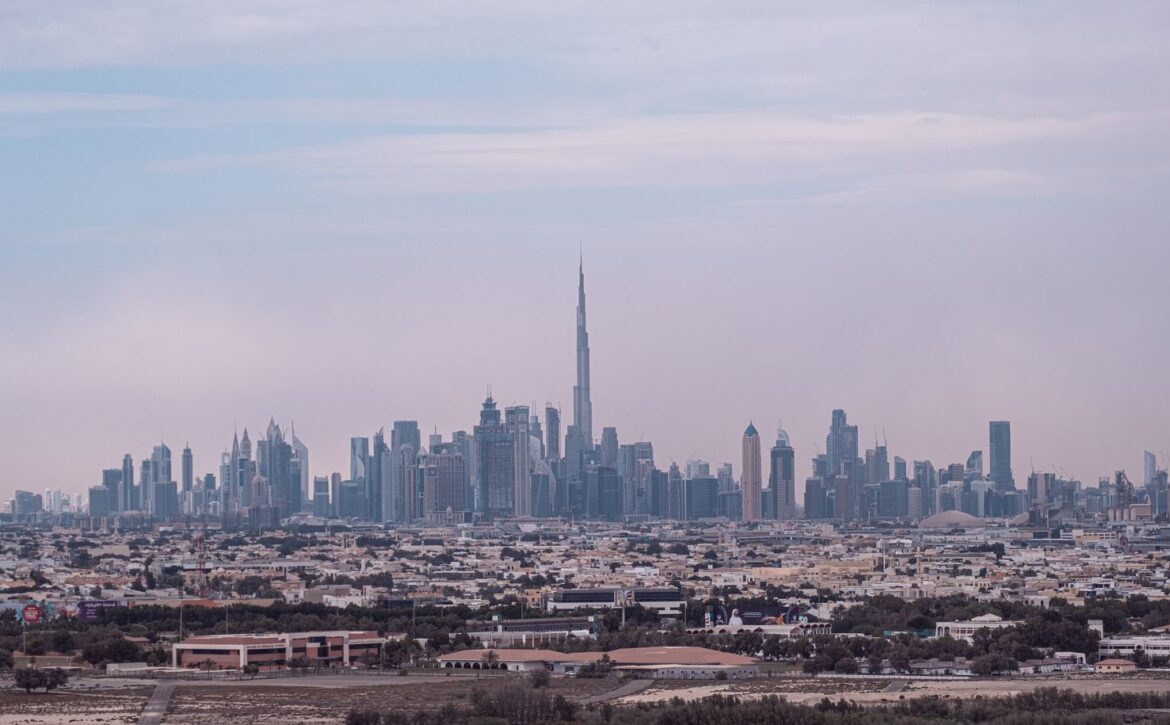
Cover photo: Mo Eid / Pexels (Pexels License).


 TR
 EN